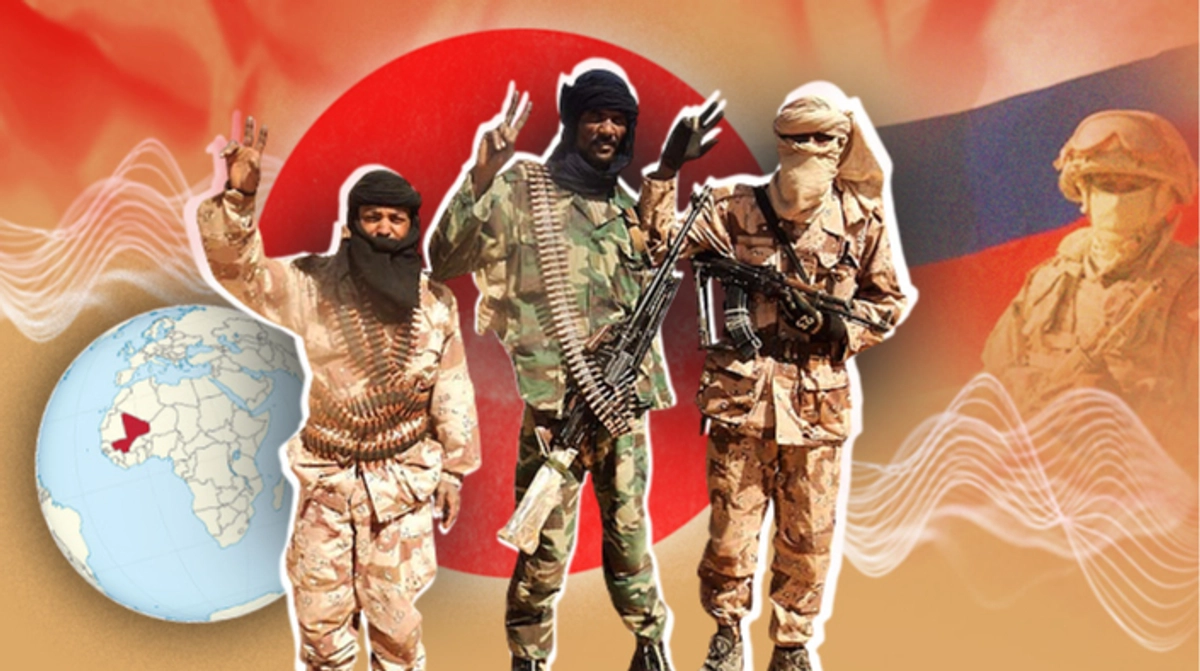
Mali, a focal point for Russian influence in Africa, is witnessing a significant shift as Tuareg rebels gain the upper hand against both the military and Russian private military contractors (PMCs). Recent clashes have led to notable defeats for the Kremlin-backed forces, raising questions about the sustainability of Russia’s presence in the region.
The Tuareg, a nomadic group with a long history of rebellion, have successfully outmaneuvered regular troops and Russian mercenaries in desert confrontations. This unexpected turn of events has sparked discussions about the implications for Moscow’s strategy in Africa, particularly as it faces challenges in Ukraine.
Russia has invested heavily in Mali, establishing a foothold that has provided support to the Malian government in its fight against various insurgent groups. However, the recent military setbacks suggest that the Russian strategy may be faltering. Analysts are examining how the dynamics of the conflict in Ukraine might be influencing the effectiveness of Russian forces abroad.
In a recent podcast episode titled “Difficult Questions,” journalist Yevgen Buderatsky delves into the complexities of the situation in Mali, exploring the factors contributing to the apparent collapse of Russian operations. The podcast aims to shed light on the evolving landscape of conflict in the region and the broader implications for international relations.
The ongoing conflict in Mali highlights the challenges faced by foreign powers attempting to exert influence in unstable regions. As the Tuareg continue to capitalize on the vulnerabilities of both local and foreign forces, the future of Russian involvement in Mali remains precarious.
The situation in Mali is shifting as Tuareg rebels achieve victories over Russian mercenaries and local forces. This development raises questions about the future of Russian influence in the region, particularly in light of challenges faced in Ukraine.