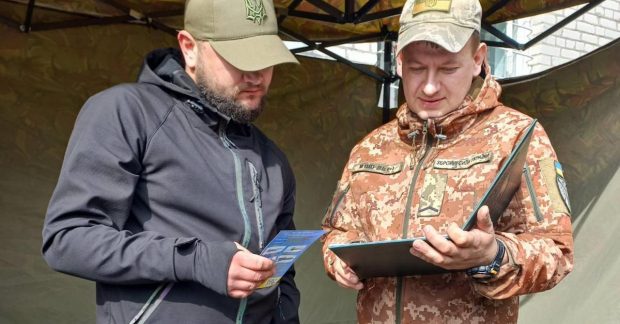
The Ukrainian Ministry of Defense has clarified the procedures surrounding road closures enacted by recruitment officers during mobilization efforts. According to Deputy Minister Ivan Havryliuk, decisions regarding traffic interruptions are made by local defense councils in coordination with recruitment centers and the National Police.
During a session in the Verkhovna Rada, Havryliuk emphasized that these measures are essential for implementing mobilization plans. He stated, “Decisions on stopping vehicles are made by local defense councils to facilitate mobilization efforts.” This statement comes amid ongoing discussions about the operational protocols of military recruitment in Ukraine.
Havryliuk also addressed the availability of body cameras among recruitment officers, noting that while each recruitment center has a limited supply, not all personnel are equipped with them. “There are a certain number of body cameras at each recruitment center, but they are not sufficient to equip every officer,” he explained. However, he confirmed that every notification group does have access to these cameras.
Additional Context on Recruitment Procedures
As previously reported, individuals summoned for military service must surrender their mobile phones upon arrival at recruitment centers. This measure is implemented to maintain security protocols, as there is a risk that a phone could be used to share geolocation data, potentially exposing the location to enemy forces. Such a breach could not only disrupt mobilization efforts but also result in casualties.
Related News
- Potential Mobilization of Women Starting May 1, 2026: Who May Be Drafted
- Exemptions from Mobilization Beginning May 1, 2026: Who Will Not Be Drafted
- Mobilization of Men Aged 50 and Over Starting May 1: Who Will Be Drafted and Who Will Receive Exemptions
The Ukrainian Ministry of Defense has outlined the authority behind road closures during mobilization efforts and the limited use of body cameras by recruitment officers. These measures aim to enhance security and ensure compliance with mobilization protocols amid ongoing military efforts.