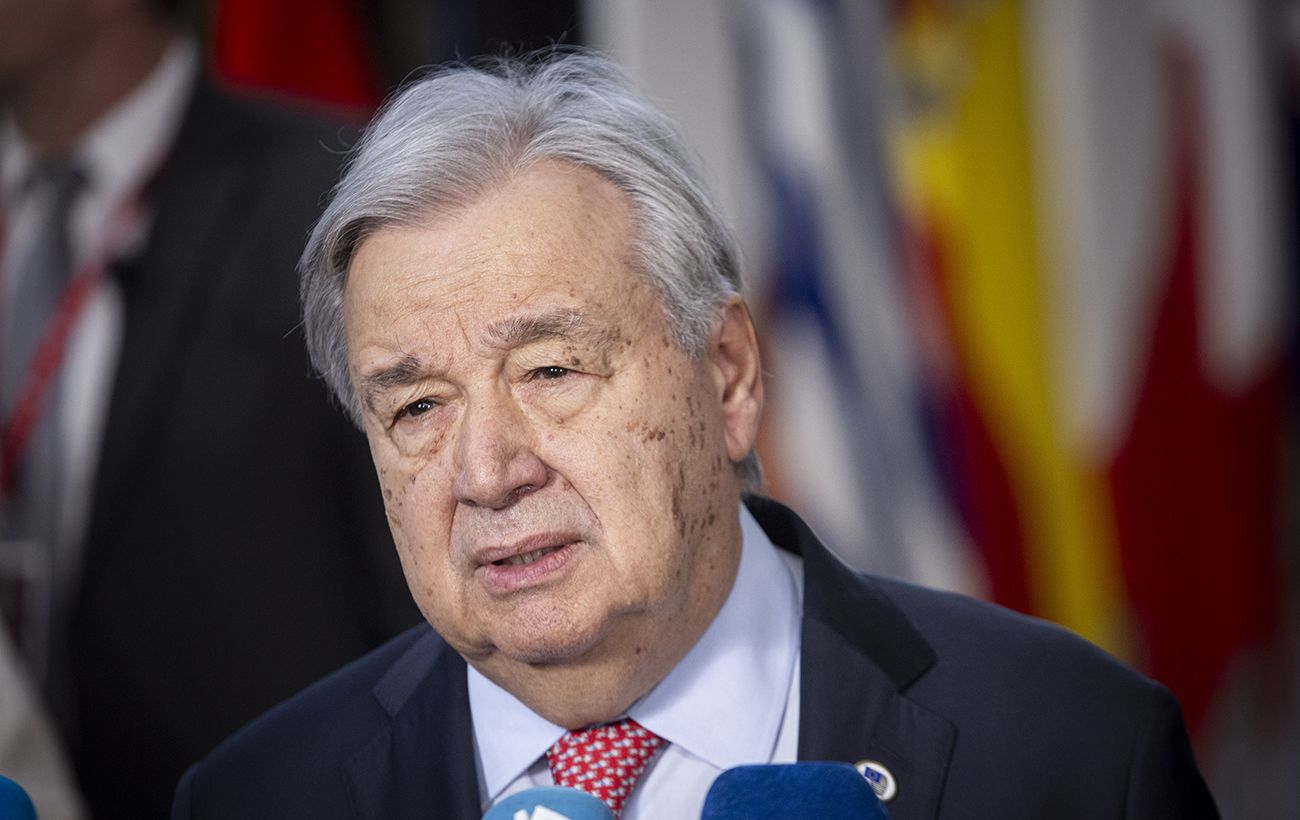
United Nations Secretary-General António Guterres has issued a stark warning regarding the ongoing conflict in the Middle East, suggesting that if hostilities continue, the situation could escalate into a global catastrophe affecting nations worldwide.
The crisis has persisted for two months, with Guterres noting a daily increase in casualties, destruction, and attacks on civilian populations and infrastructure. He emphasized, “We stand on the brink of a wider war that could engulf the entire Middle East and have dramatic consequences for the world.”
The ramifications of the conflict are already being felt beyond the region. Restrictions on shipping through the Strait of Hormuz, a crucial maritime route connecting the Persian Gulf to the Gulf of Oman, are impacting vulnerable nations. The resulting economic strain is evident in countries such as the Philippines, Sri Lanka, and Mozambique, where rising prices for food and fuel are affecting everyday citizens.
In light of these developments, Guterres has made specific demands to the parties involved in the conflict:
- The United States and Israel should halt military actions that are causing widespread human suffering and destabilizing the regional economy;
- Iran must cease its attacks on neighboring countries;
- All parties are urged to respect the sovereignty of states and protect civilians and civilian infrastructure, including nuclear facilities;
- Freedom of navigation must be ensured.
Guterres highlighted that diplomatic efforts for a peaceful resolution are ongoing, with his personal envoy, Jean Arnaud, heading to the region. He remarked, “Conflicts do not resolve themselves; they end when leaders choose dialogue over destruction. That choice still exists, and it must be made now.”
UN Secretary-General António Guterres warns that the ongoing Middle East conflict could escalate into a global crisis, impacting economies and civilians worldwide. He calls for immediate action from involved parties to halt hostilities and engage in dialogue.