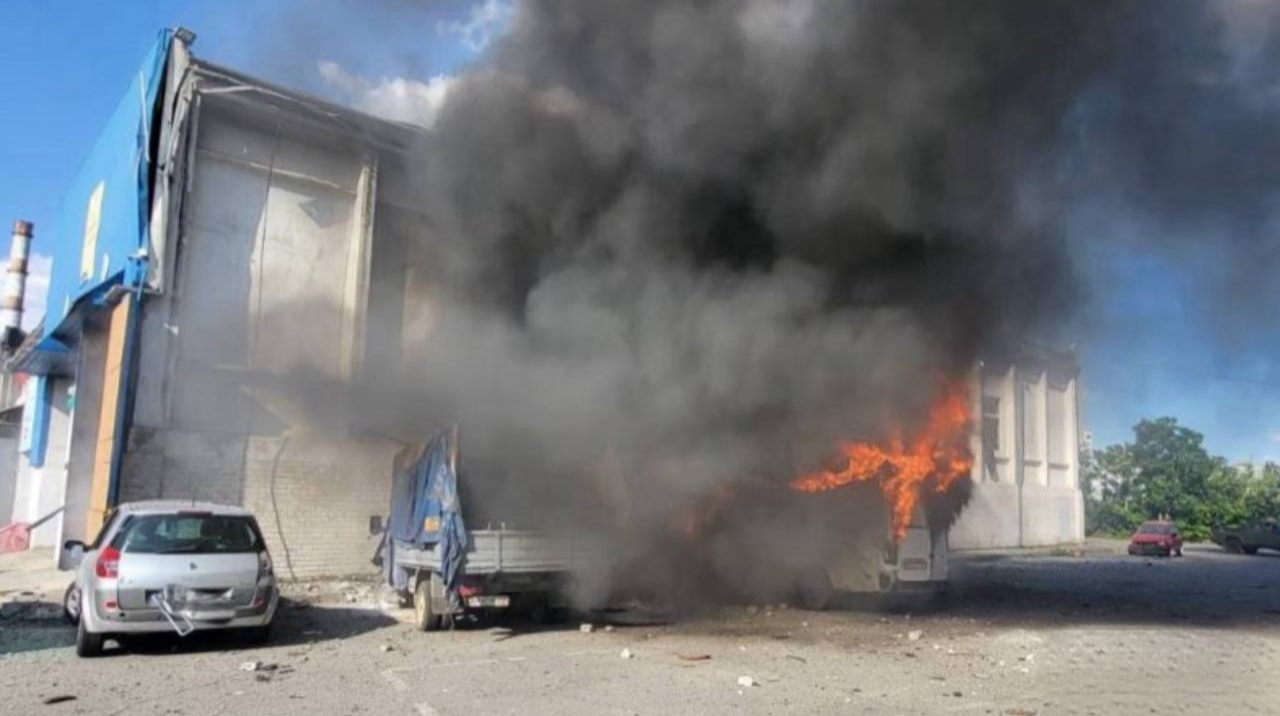
As Ukraine grapples with the ongoing impacts of conflict, the energy sector is under significant strain, affecting both supply and infrastructure. The war has led to a series of challenges that threaten the stability of energy resources essential for both civilian and military needs.
Recent reports indicate that the Russian military has intensified its attacks on energy facilities, leading to widespread power outages across various regions. The Ukrainian government has been forced to implement emergency measures to manage the situation, including rolling blackouts and prioritizing energy distribution to critical infrastructure.
The Ministry of Energy has outlined plans to repair damaged facilities and restore power supply. However, the ongoing hostilities complicate these efforts, as access to affected areas remains limited. The government is also seeking international assistance to bolster its energy resilience.
In addition to physical damage, the conflict has disrupted the supply chains necessary for fuel and energy production. This has resulted in increased prices and shortages, further exacerbating the challenges faced by households and businesses alike. The situation is particularly dire in frontline regions, where residents are experiencing severe energy deprivation.
Experts warn that without substantial investment and support, Ukraine’s energy infrastructure may face long-term degradation. The government is actively exploring partnerships with foreign entities to secure funding and technical expertise aimed at revitalizing the sector.
As winter approaches, the urgency to stabilize the energy supply becomes increasingly critical. The government is urging citizens to conserve energy and prepare for potential shortages, highlighting the need for collective resilience in the face of adversity.
Ukraine's energy sector is under severe pressure due to ongoing conflict, with attacks on infrastructure leading to widespread outages. The government is implementing emergency measures and seeking international support to stabilize energy supply as winter approaches.