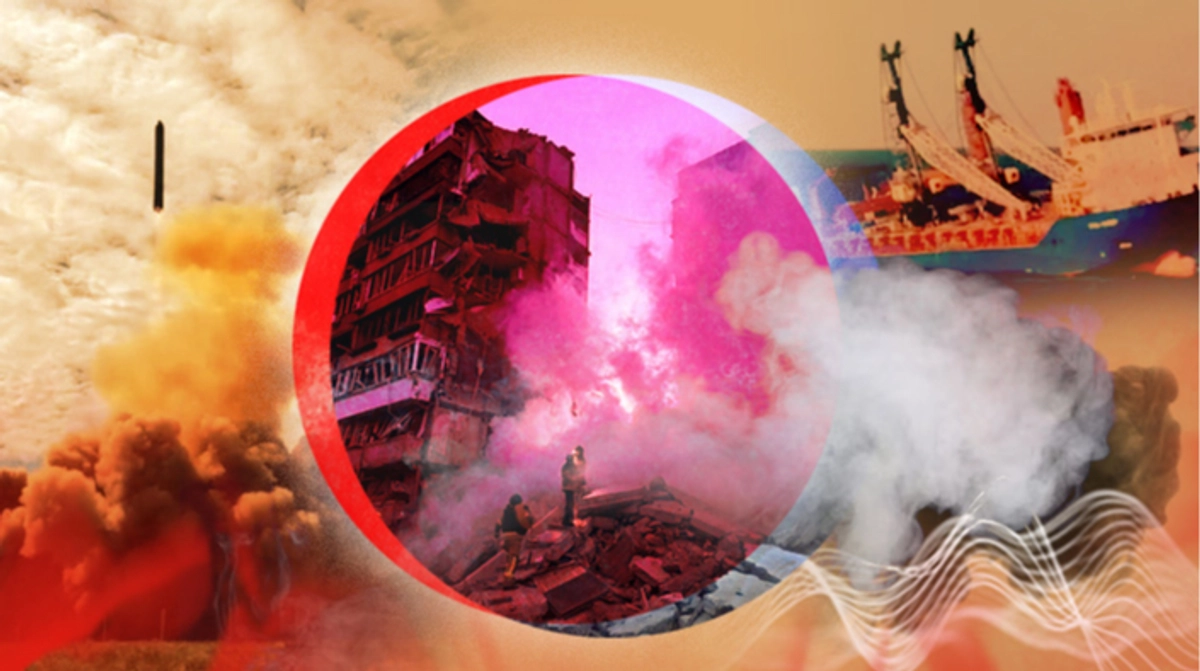
In the latest escalation of the ongoing conflict, Russian forces have launched a significant attack on Kyiv, employing advanced weaponry, including the Sarmat missile system. This assault highlights the persistent threat to Ukrainian sovereignty as the country continues to bolster its air defense capabilities.
The recent offensive has raised questions regarding Russia’s military objectives, particularly its ambitions in the Donbas region. Analysts suggest that the Kremlin’s promises of a swift victory may not materialize, as Ukrainian forces demonstrate resilience on the front lines.
Additionally, President Vladimir Putin’s recent statements about the war nearing its conclusion have prompted speculation. His invitation to former German Chancellor Gerhard Schröder appears to be an attempt to strengthen diplomatic ties amid ongoing international scrutiny.
In a related development, Russia has conducted tests of the Sarmat missile, a strategic weapon that enhances its military posture. This testing is seen as a signal of Russia’s commitment to modernizing its arsenal in the face of Western sanctions and military support for Ukraine.
Furthermore, a recent incident involving the Russian vessel Ursa Major has drawn attention. Reports indicate that it was attacked in December 2024, with suggestions that a Western nation may have been involved. This incident underscores the complexities of maritime security in the region.
In a recent episode of the podcast “Kляті питання,” journalist Fedir Popadyuk interviews Yevhen Buderatsky, deputy editor of “Ukrainska Pravda,” to discuss these developments and their implications for the ongoing war.
The recent Russian attack on Kyiv underscores the ongoing volatility in the Ukraine-Russia conflict, with significant implications for military strategy and international relations. Key developments include the testing of advanced weaponry and the complexities surrounding diplomatic efforts amid continued hostilities.