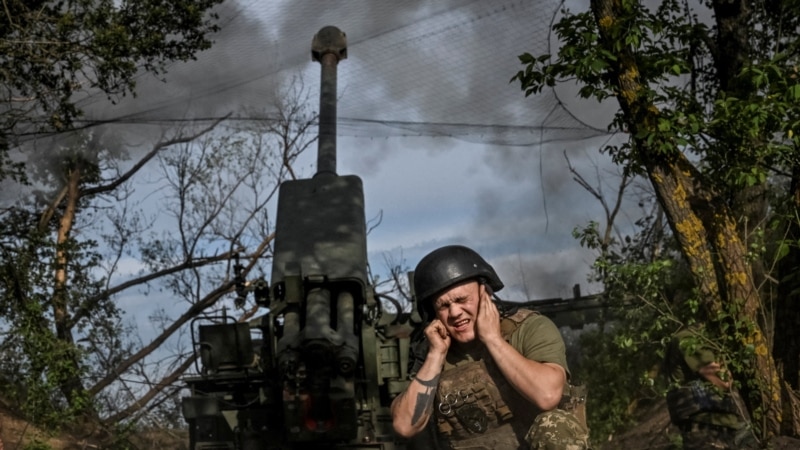
As of June 11, 2023, Ukrainian forces reported 199 combat encounters, with the majority of Russian assaults concentrated in the Pokrovsk direction. This information was shared in a daily briefing by the General Staff of the Armed Forces of Ukraine.
In the Pokrovsk area, Russian troops launched 39 attacks, attempting to advance in regions including Zatyshok, Novooleksandrivka, Muravka, Hryshyne, Kotlyne, and Udačne, as well as towards the settlements of Novyi Donbas, Bilitske, Shevchenko, Dorožne, Vilne, and Novopavlivka.
Additionally, the General Staff reported 16 attacks each in the Lyman and Huliaipole directions. Fighting also continued in the South Slobozhanskyi, Kupiansk, Sloviansk, Kostiantynivka, Oleksandrivka, and Orikhiv areas.
According to the DeepState project, May marked a significant shift, being the first month since autumn 2023 when the Russian military experienced a negative monthly growth in occupied territories, losing more land than it captured.
This trend is corroborated by the American Institute for the Study of War (ISW), which noted that over six months of intense assaults—from December 2025 to May 2026—Russian forces managed to gain only slightly more than 40 square kilometers. Analysts indicated that Ukrainian forces have effectively halted the Russian advance during the spring-summer campaign of 2026.
On May 21, Defense Minister Mykhailo Fedorov stated that Ukraine had significantly slowed the progress of Russian troops and was gradually regaining initiative on the front lines. This was attributed to the efforts of Ukrainian military personnel and other factors, including the disabling of Starlink services for the aggressor and an increase in medium-range drone strikes.
Recent reports indicate a significant uptick in combat activity in Ukraine, particularly in the Pokrovsk region, where Russian forces have faced setbacks. Analysts highlight a shift in the conflict's dynamics, with Ukrainian forces managing to regain some initiative amid ongoing hostilities.