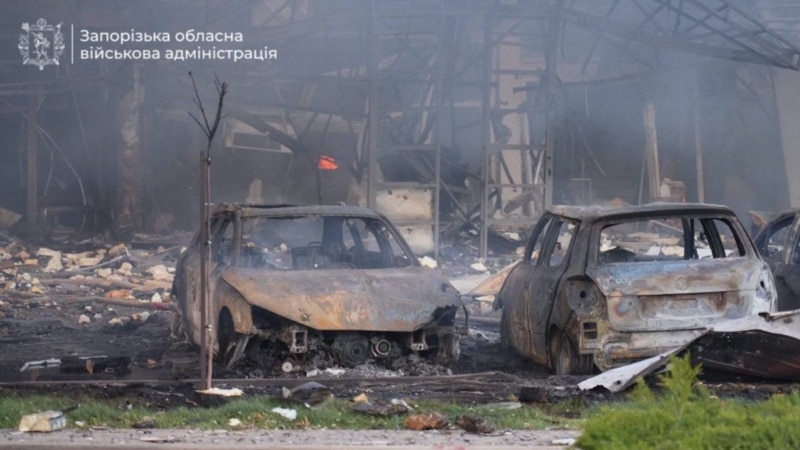
The number of injuries from a recent Russian attack on Zaporizhzhia has increased to 20, with 12 fatalities reported, according to local authorities on May 5. The regional governor, Ivan Fedorov, confirmed that the injured individuals range in age from 23 to 68 and are currently receiving medical assistance.
On the same day, Russian forces employed guided aerial bombs in their assault on the city, resulting in multiple fires. Fedorov detailed the aftermath, stating that vehicles, a shop, and a business were ablaze, and residential buildings, a service station, and a car wash sustained damage.
Russian military operations frequently target Ukrainian cities and civilian infrastructure using various weapons, including drones, missiles, and multiple launch rocket systems. These actions have been classified by Ukrainian authorities and international organizations as war crimes, highlighting their deliberate nature.
Attacks on critical infrastructure, including energy and healthcare systems, are viewed as attempts to deprive civilians of essential services such as electricity, heating, water supply, communication, and medical care. Legal experts and human rights advocates argue that these actions may constitute genocidal behavior, given the systematic targeting of the Ukrainian population.
During the ongoing conflict, numerous offenses have been reported that align with definitions of genocide. These include public declarations by Russian officials denying the existence of Ukrainians as an ethnic group, calls for their destruction, and targeted assaults on individuals with pro-Ukrainian views in occupied territories. The systematic eradication of Ukrainian cultural identity, including the targeting of educators and artists, has also been noted.
The 1948 United Nations Convention on the Prevention and Punishment of the Crime of Genocide obligates signatory nations to prevent and punish acts of genocide during both wartime and peacetime. Currently, 149 countries are parties to this convention, which defines genocide as actions intended to destroy, in whole or in part, a national, ethnic, racial, or religious group.
Indicators of genocide include the killing of group members, causing serious bodily or mental harm, deliberately inflicting conditions calculated to bring about the group’s destruction, preventing births within the group, and forcibly transferring children from one group to another.
Despite these allegations, Russian leadership denies that its military is intentionally targeting civilian infrastructure or causing civilian casualties in Ukraine.
The recent Russian strike on Zaporizhzhia has resulted in a significant rise in casualties, with local authorities reporting 20 injuries and 12 deaths. The ongoing attacks on civilian infrastructure have drawn international condemnation and raised concerns about potential war crimes.