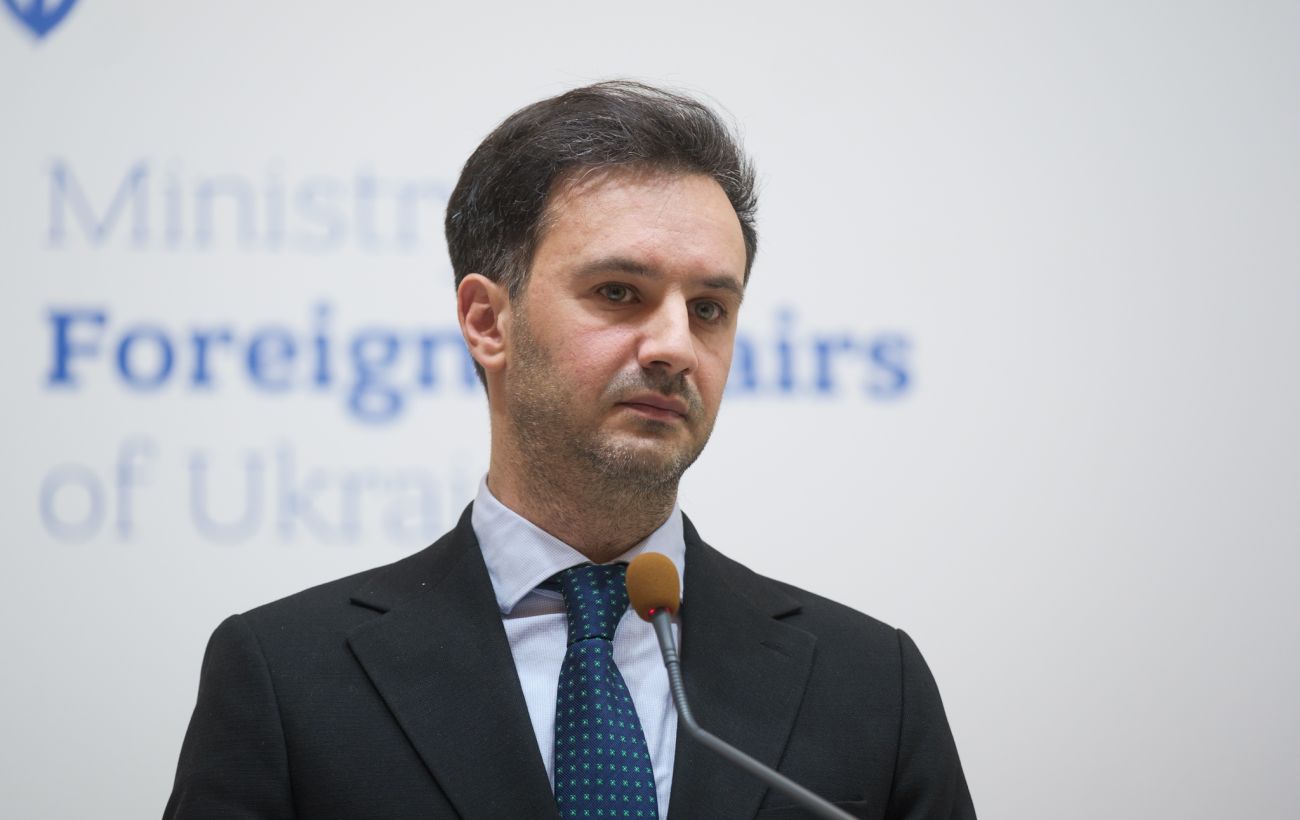
Ukraine and Moldova are advancing in their efforts to join the European Union, with no indications of a divergence in their integration paths, according to Ukrainian Foreign Ministry spokesperson Georgiy Tikhiy.
In comments to journalists, Tikhiy addressed interpretations of remarks made by European Commission President Ursula von der Leyen following the EU-Moldova summit. He clarified that the statements pertained solely to Moldova and did not imply a comparison or contrast between the two nations.
Tikhiy emphasized that after the initiation of the first negotiation cluster, further progress follows a clear methodology established by the European Commission. This approach involves an individual assessment of each candidate country based on their achievements in meeting internal benchmarks.
The Foreign Ministry underscored that both Kyiv and Chișinău are progressing through the stages of European integration in a synchronized manner. “The EU has repeatedly acknowledged that both countries meet the necessary conditions for opening negotiation clusters. Therefore, there are no grounds to conclude any supposed ‘disconnection,'” Tikhiy stated.
He also expressed Ukraine’s expectation for a fair and objective approach from the EU in the ongoing enlargement process.
On June 15, Ukraine officially opened its first negotiation cluster, titled “Foundations,” as part of its EU membership process. This cluster encompasses critical areas such as the rule of law, the judicial system, the protection of fundamental rights and freedoms, and the functioning of democratic institutions.
To achieve EU membership, Ukraine must navigate through six negotiation clusters and align its national legislation with European standards. The remaining five clusters are expected to be opened in the latter half of 2026. However, the continuation of the negotiation process will depend on the success of reforms in Ukraine and support from all EU member states.
For further insights into Ukraine’s EU membership prospects, potential challenges, and the positions of individual member states, refer to the detailed analysis by RBC-Ukraine titled “Goal – 2030: How Ukraine Will Join the EU and Who Might Delay This Process.”
Ukraine and Moldova are jointly advancing towards EU membership, with officials affirming their synchronized integration efforts. Recent comments clarify misconceptions regarding their paths, emphasizing individual assessments by the EU.
Source: RBC-Ukraine