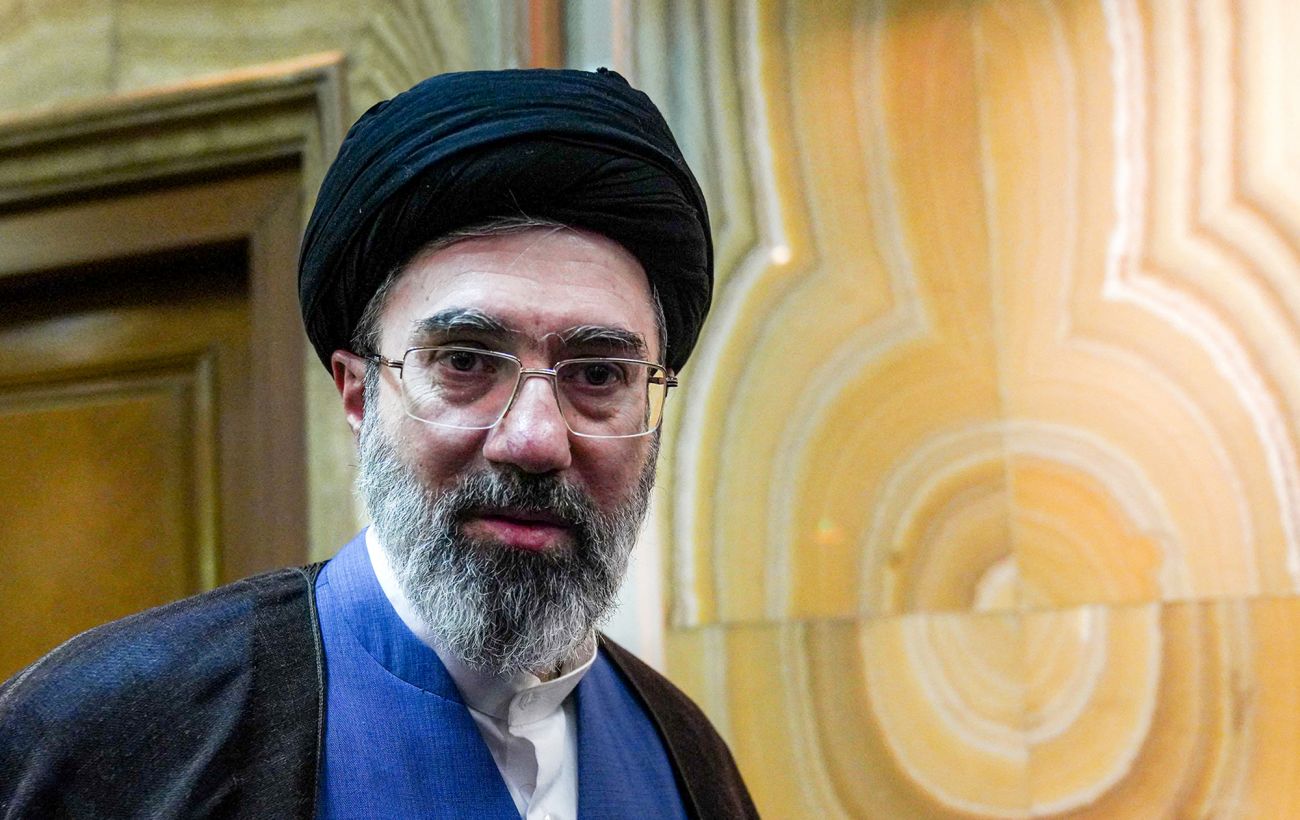
U.S. intelligence reports suggest that Mojtaba Khamenei, the newly appointed Supreme Leader of Iran, may be involved in shaping the country’s negotiation strategy with the United States regarding the ongoing conflict.
According to sources cited by a news network, Khamenei is reportedly collaborating with senior officials to develop both military and diplomatic strategies. However, U.S. intelligence also notes that the power structure in Tehran remains chaotic and fragmented following the leadership transition.
Mojtaba Khamenei assumed the role of Supreme Leader after his father was killed in an attack early in the war. He himself sustained injuries in the incident and has not made any public appearances since, leading to widespread speculation about his health and actual influence over the government.
As reported by CNN, U.S. intelligence has yet to confirm Khamenei’s whereabouts. Sources indicate that he avoids electronic communication, opting instead for in-person meetings or couriers to relay messages.
Furthermore, it has been reported that the new Supreme Leader is undergoing treatment for severe burns that affected parts of his face, arm, torso, and leg. Despite these challenges, Iranian officials assert that Khamenei is in good health. Mazaher Hosseini, head of the Supreme Leader’s protocol office, stated that Khamenei has only suffered minor injuries and is now “fully healthy.”
“The enemy spreads various rumors and false claims. They want to see him and find him, but people should be patient and not rush. He will address you when the time is right,” Hosseini added.
This week, Iranian President Masoud Pezeshkian confirmed he had a two-hour meeting with Khamenei, marking the first verified personal encounter between the new Supreme Leader and a high-ranking official since the leadership change.
In the United States, doubts persist regarding Khamenei’s control over decision-making processes. Some analysts believe that other members of Iran’s elite may be using his name to further their own agendas.
U.S. intelligence estimates indicate that significant influence in Iran is currently held by members of the Islamic Revolutionary Guard Corps and Parliament Speaker Mohammad Bagher Ghalibaf, who is seen as a key figure in communications with Washington.
Amid efforts to revive negotiations, diplomatic contacts between the U.S. and Iran have intensified through intermediaries. Recently, U.S. Vice President Jay D. Vance met with the Prime Minister of Qatar to discuss potential pathways to resolve the conflict and Doha’s role in facilitating talks between Washington and Tehran.
U.S. intelligence indicates that Mojtaba Khamenei, Iran's new Supreme Leader, may influence negotiations with the U.S. However, doubts about his control persist amid a fragmented power structure in Tehran.