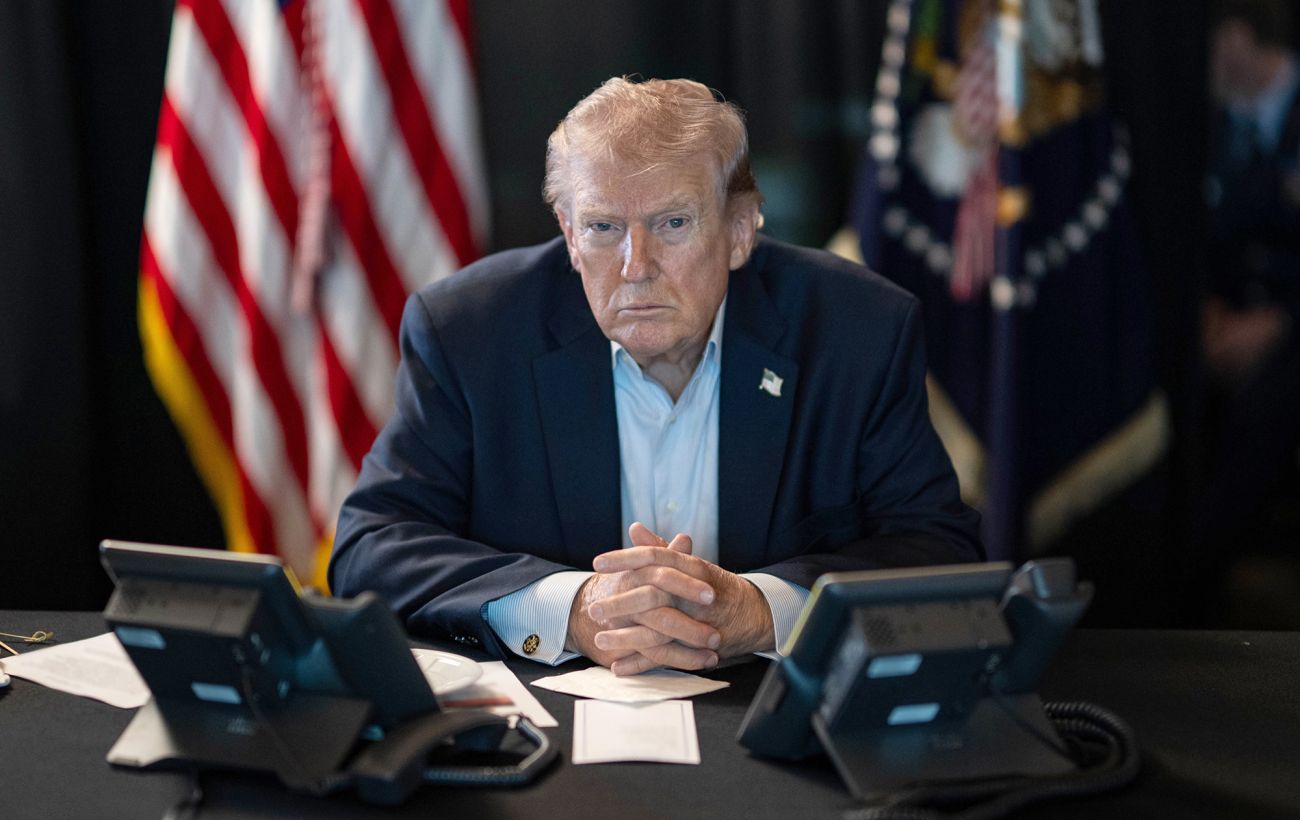
In a significant diplomatic development, U.S. President Donald Trump announced an agreement to cease hostilities between Israel and Hezbollah following discussions with Israeli Prime Minister Benjamin Netanyahu. This decision comes amid rising tensions in the region.
Trump revealed that he had a productive phone call with Netanyahu, leading to the conclusion that Israeli forces would not be deployed to Beirut. He stated, “I had a very fruitful phone call with Prime Minister Bibi Netanyahu, and troops will not be sent to Beirut, and those troops that were already on their way have been turned back.”
Additionally, the U.S. President mentioned that indirect communications had taken place with representatives of Hezbollah. He indicated that both parties agreed to stop mutual attacks, saying, “Through high-ranking representatives, I had a very fruitful conversation with Hezbollah, and they agreed that all hostilities will cease—Israel will not attack them, and they will not attack Israel.”
This de-escalation is particularly relevant as Iran had previously demanded a halt to military actions in Lebanon as a condition for continuing negotiations with Washington. The Iranian government has made it clear that it would not return to dialogue until Israeli military operations in the region ceased.
Meanwhile, Israeli Defense Minister Israel Katz clarified that the Jerusalem government views this agreement as a deterrent mechanism rather than a complete withdrawal from military responses. Katz emphasized, “Trump accepted our formulated equation, whereby attacks on our settlements mean bombing Beirut. This is what his statement implies.”
The recent developments underscore the complex interplay of regional politics, where military actions and diplomatic negotiations are closely intertwined. The cessation of hostilities may provide a temporary relief but raises questions about the long-term stability in the region.
U.S. President Donald Trump announced an agreement to halt military actions between Israel and Hezbollah after discussions with Israeli Prime Minister Netanyahu. This development is part of broader diplomatic efforts amid rising tensions in the region.