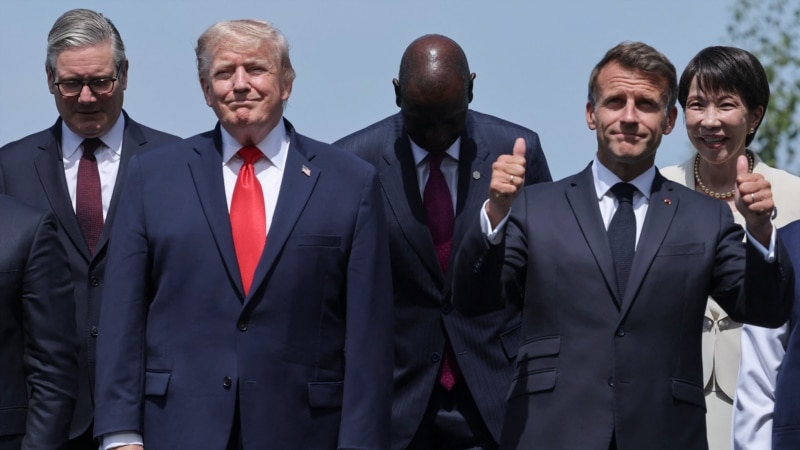
On June 16, former U.S. President Donald Trump articulated his concerns regarding the implications of the Iran nuclear agreement and the reopening of the Strait of Hormuz. He suggested that these developments could pave the way for the reinstatement of sanctions against Russian oil.
Trump’s remarks reflect ongoing tensions in global energy markets, particularly in relation to Russian oil exports. The Strait of Hormuz is a critical maritime passage for oil shipments, and any geopolitical shifts in this region can significantly impact global supply chains.
By linking the Iran deal to potential sanctions on Russia, Trump is highlighting a broader narrative regarding U.S. foreign policy and its approach to energy security. The reinstatement of sanctions could have far-reaching consequences not only for Russia but also for global oil prices and energy stability.
As the situation evolves, the international community continues to monitor developments closely, particularly in light of existing sanctions and diplomatic negotiations surrounding Iran’s nuclear capabilities.
Former President Trump's comments on the Iran deal and the Strait of Hormuz raise concerns about potential sanctions on Russian oil. These statements underscore the interconnectedness of global energy markets and U.S. foreign policy.