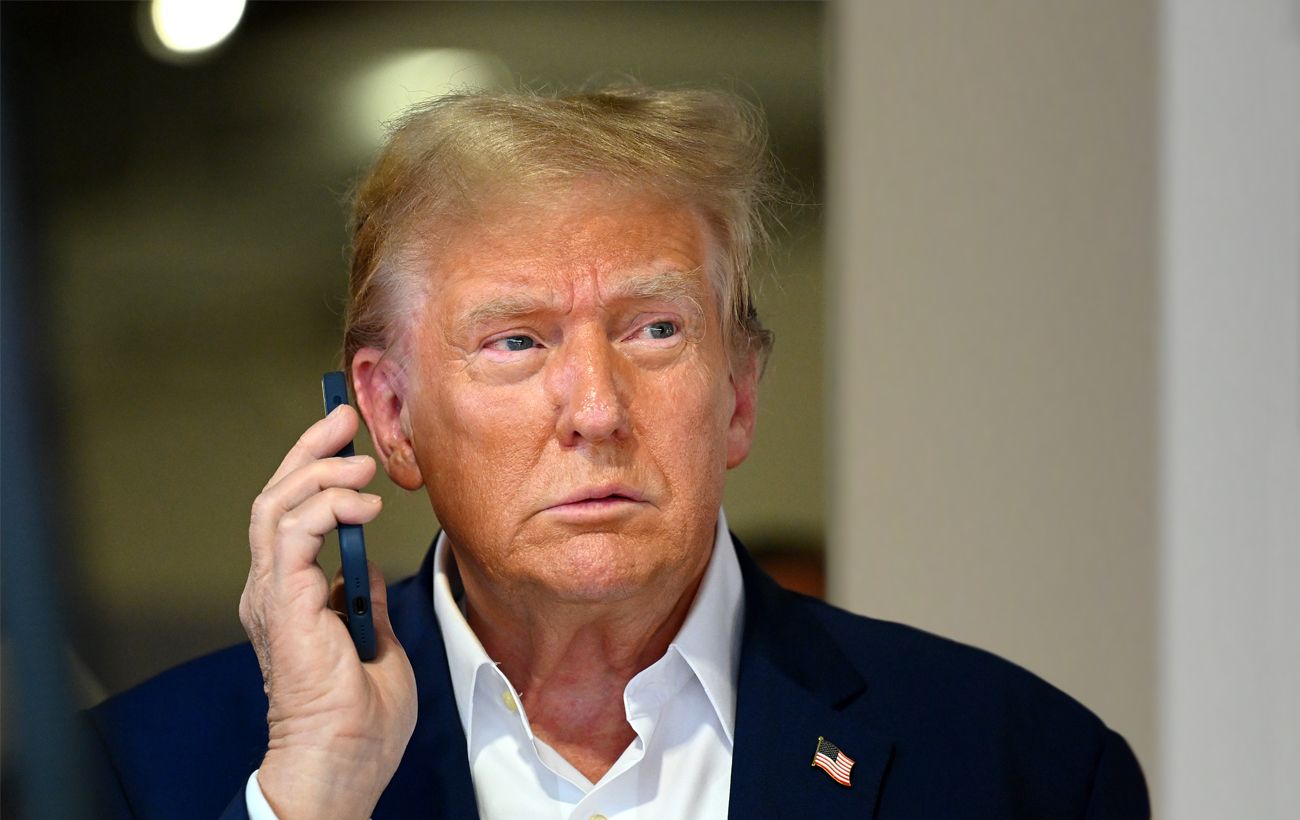
U.S. President Donald Trump is set to have a direct conversation with Taiwanese President Tsai Ing-wen, marking a significant moment in U.S.-Taiwan relations. The discussion is expected to focus on a proposed $14 billion arms sale to Taiwan, a move that could provoke strong reactions from Beijing, which claims the island as its territory.
In comments to reporters, Trump stated, “I will talk to him. I talk to everyone. We are handling this situation well,” when asked about the potential dialogue with Tsai before finalizing the arms deal. He also indicated that he would be addressing issues related to Taiwan but did not provide further details.
Direct communications between U.S. and Taiwanese leaders have been exceedingly rare since 1979, when the U.S. shifted its diplomatic recognition from Taipei to Beijing. Any call from Trump is likely to anger China, which has previously expressed its discontent over such engagements. Trump had already broken this protocol in 2016 by accepting a congratulatory call from Tsai.
Furthermore, Trump confirmed that he is holding back on approving the $14 billion arms package as a bargaining chip in negotiations with China. This approach raises questions about adherence to the Taiwan Relations Act of 1979, which mandates that the U.S. provide defensive arms to Taiwan.
During a recent summit in Beijing, Chinese President Xi Jinping emphasized that the Taiwan issue is the most critical aspect of U.S.-China relations and urged Trump to avoid escalating tensions. Prior to his visit to Beijing, Trump reiterated his intention to discuss the arms sale with Xi.
Despite the discussions, no significant agreements regarding Taiwan emerged from the two-day summit, with key security matters postponed for future talks between Washington and Beijing. Upon returning from China, Trump cautioned Taiwan against declaring independence but affirmed that U.S. policy towards the island remains unchanged.
President Trump plans a rare call with Taiwan's leader to discuss a significant arms deal, which may escalate tensions with China. The dialogue reflects ongoing complexities in U.S.-Taiwan relations amidst geopolitical challenges.