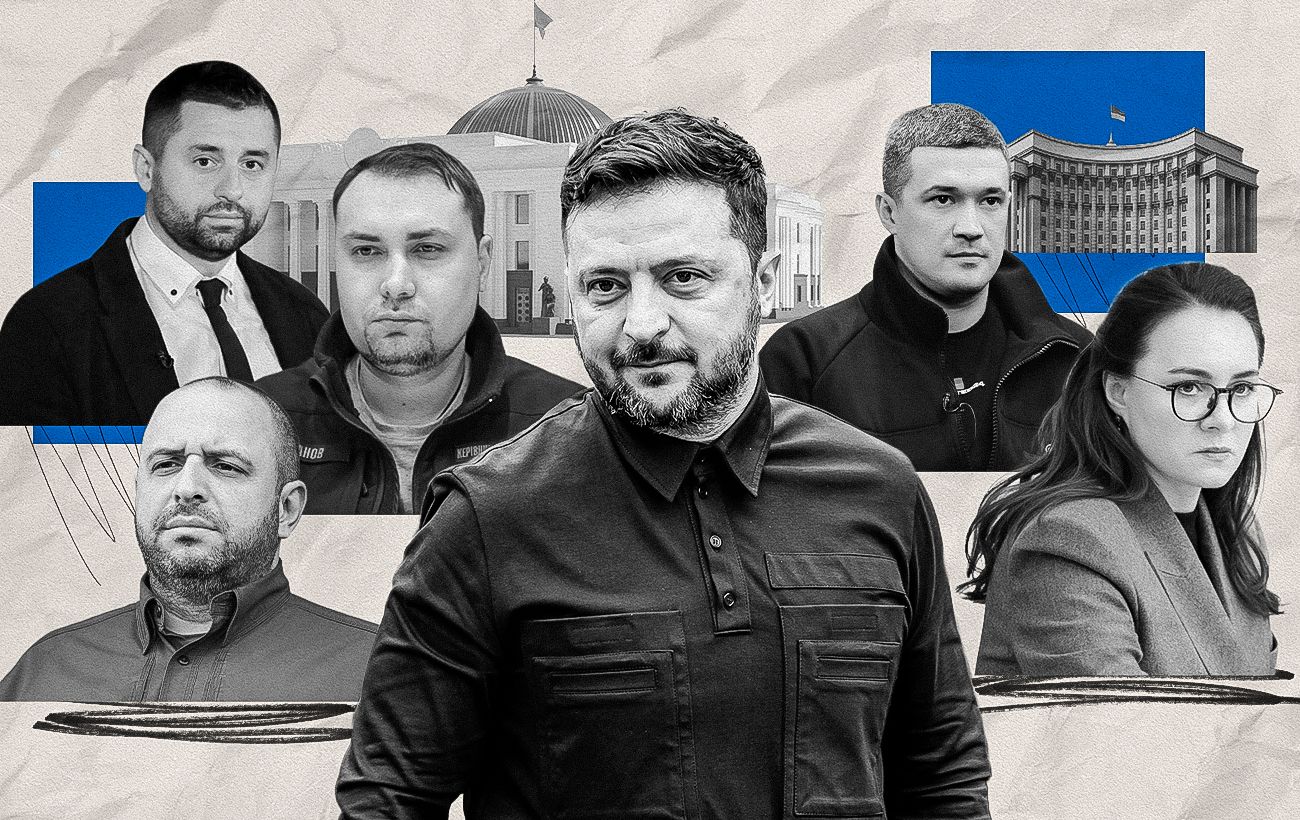
Political dynamics in Ukraine are intensifying, despite the absence of imminent elections. Recent developments have revealed underlying tensions among key figures in the government, particularly involving President Volodymyr Zelenskyy, Chief of the President’s Office Kyrylo Budanov, and Defense Minister Mykhailo Fedorov.
Sources indicate that relations between Zelenskyy and Budanov have improved after a period of strain. Budanov is focusing on negotiations, business communication, and legislative work in the Verkhovna Rada. However, the political landscape is rife with intrigue, especially surrounding Fedorov, whose relationship with Zelenskyy appears to be deteriorating.
The tension between Fedorov and the military leadership, particularly the General Staff, has also been noted. Some insiders suggest that the Ministry of Defense (MoD) is encroaching on the responsibilities of the General Staff and the Armed Forces, leading to friction over differing approaches to warfare.
One source close to the presidency remarked, “This is a complicated case where your chief of staff is politically competing with you. The prospect of a second round of elections looms, and any potential competitor is scrutinized closely.” Historically, it is unusual for a chief of staff to be seen as a rival in electoral politics.
Despite the recent tensions, Budanov and Zelenskyy reportedly engaged in candid discussions to improve their working relationship. While some sources remain skeptical about the durability of this newfound harmony, Budanov’s position within the Office of the President seems secure for now.
Meanwhile, Fedorov faces increasing scrutiny and speculation about his standing. Reports suggest a cooling of relations between him and Zelenskyy, although both sides deny any significant conflict. The MoD is under pressure to expedite legal preparations for acquiring Patriot missile systems, with Zelenskyy setting a deadline for clarity on the matter.
In the backdrop of these political shifts, the issue of historical memory and its implications for foreign relations has resurfaced, particularly concerning tensions with Poland. A recent incident involving the renaming of a Ukrainian military unit after UPA heroes has sparked controversy, as Poland remains sensitive to historical grievances.
As Budanov navigates his role, he has reduced his media presence and is focusing on routine administrative tasks. His efforts to foster constructive relationships with deputies and engage in dialogue with both the ruling party and opposition have yielded some legislative progress, although challenges remain.
In addition to the internal political dynamics, Fedorov’s ministry is grappling with significant budgetary responsibilities, which has led to various rivalries and conflicts. The ongoing restructuring of military procurement processes has generated dissatisfaction among those affected, further complicating Fedorov’s position.
As the political landscape evolves, the relationships among key figures in the Ukrainian government will be crucial in shaping the country’s future direction, particularly as it faces both internal and external challenges.
Recent political developments in Ukraine reveal growing tensions among key government figures, particularly between President Zelenskyy, Chief of the President's Office Budanov, and Defense Minister Fedorov. As power dynamics shift, the implications for governance and foreign relations are significant.