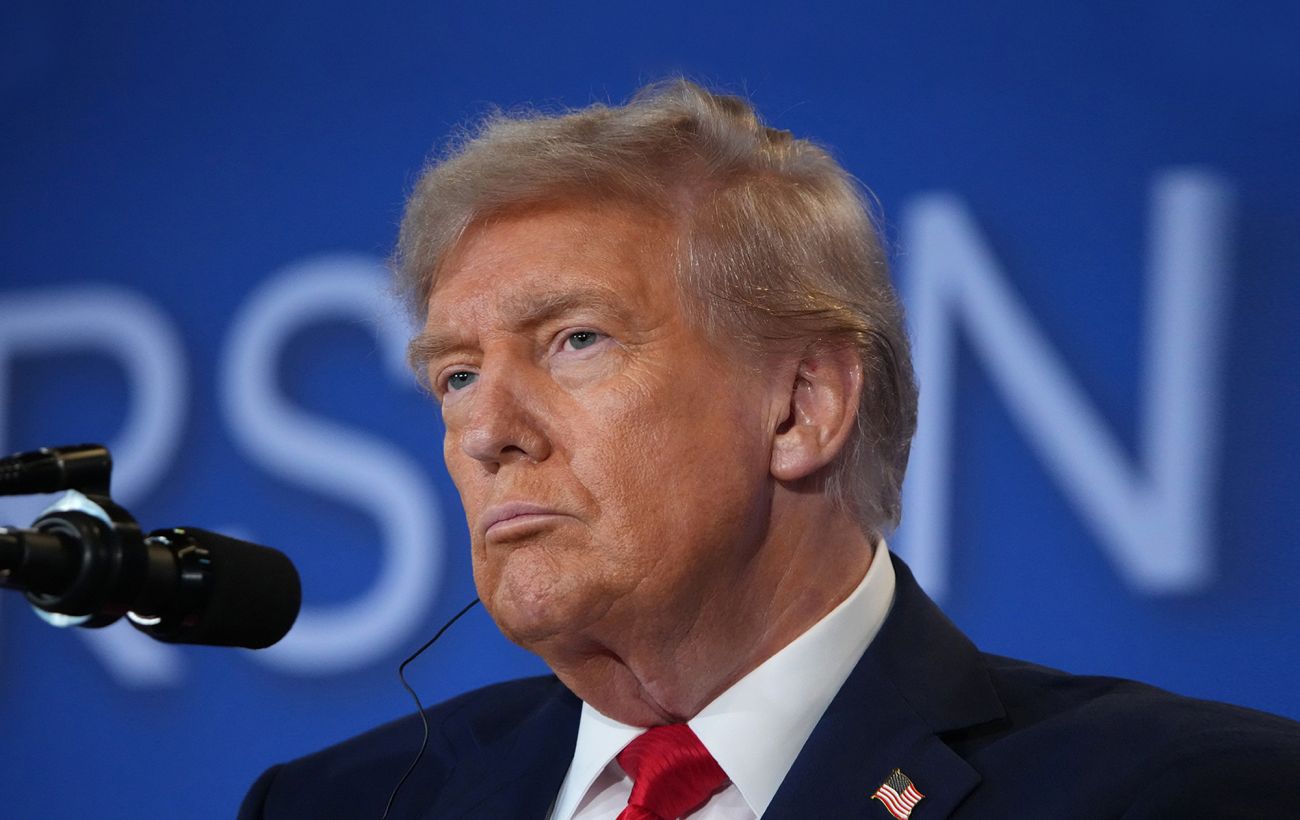
Iran has reportedly fired upon foreign vessels in the Strait of Hormuz, an action that breaches existing ceasefire agreements. In response, the United States has issued an ultimatum, demanding that Tehran accept the terms of a new agreement or face the destruction of its critical infrastructure.
According to US President Donald Trump, Iranian forces targeted a French ship and a cargo vessel from the United Kingdom. He emphasized that these actions constitute a direct violation of current agreements.
Trump further remarked that Iran’s announcement of closing the strait is illogical, given that it is already effectively blocked by US forces. He noted that Iran is losing approximately $500 million daily due to this blockade, while the US incurs no losses.
To address the escalating crisis, an American delegation is set to travel to Islamabad, Pakistan, where negotiations are scheduled to take place tomorrow evening.
Trump asserted that Washington is offering a “fair deal”, but warned that there would be no concessions if it is rejected. He stated, “If they do not accept the deal, the United States will disable every power plant and every bridge in Iran. No more ‘Mr. Nice Guy’! It is time for the Iranian killing machine to end.”
The President also indicated that if Tehran refuses the agreement, he is prepared to take actions that “other presidents should have taken over the last 47 years.”
Amid rising tensions in the strait, there has been a noticeable shift in maritime shipping routes.
The White House reports that many vessels are now heading to US ports in Texas, Louisiana, and Alaska for loading, which is seen as beneficial for the US economy.
In a related diplomatic development, Iran previously refused to hand over its enriched uranium to the United States, despite pressure from Washington. Tehran has stated that it will not engage in face-to-face meetings with US representatives until it sees tangible steps toward resolution.
Additionally, Iranian Parliament Speaker Mohammad Bagher Ghalibaf declared a “victory” over the US, asserting that while the US maintains military superiority, it has failed to overthrow the regime or establish full control over the Strait of Hormuz.
Meanwhile, within the United States, advisors to President Trump are urging him to limit spontaneous interviews and statements. There are concerns that his sharp rhetoric may undermine the complex negotiation process currently underway.
Iran's recent military actions in the Strait of Hormuz have prompted a strong response from the United States, which has issued an ultimatum for a new agreement. The situation has led to shifts in shipping routes and raised concerns about the diplomatic negotiations between the two nations.