European nations are taking a measured stance regarding the return of Ukrainian refugees who have successfully integrated into their societies. While those who have found employment and established lives abroad are likely to remain, governments show a greater interest in repatriating individuals who are currently receiving social assistance.
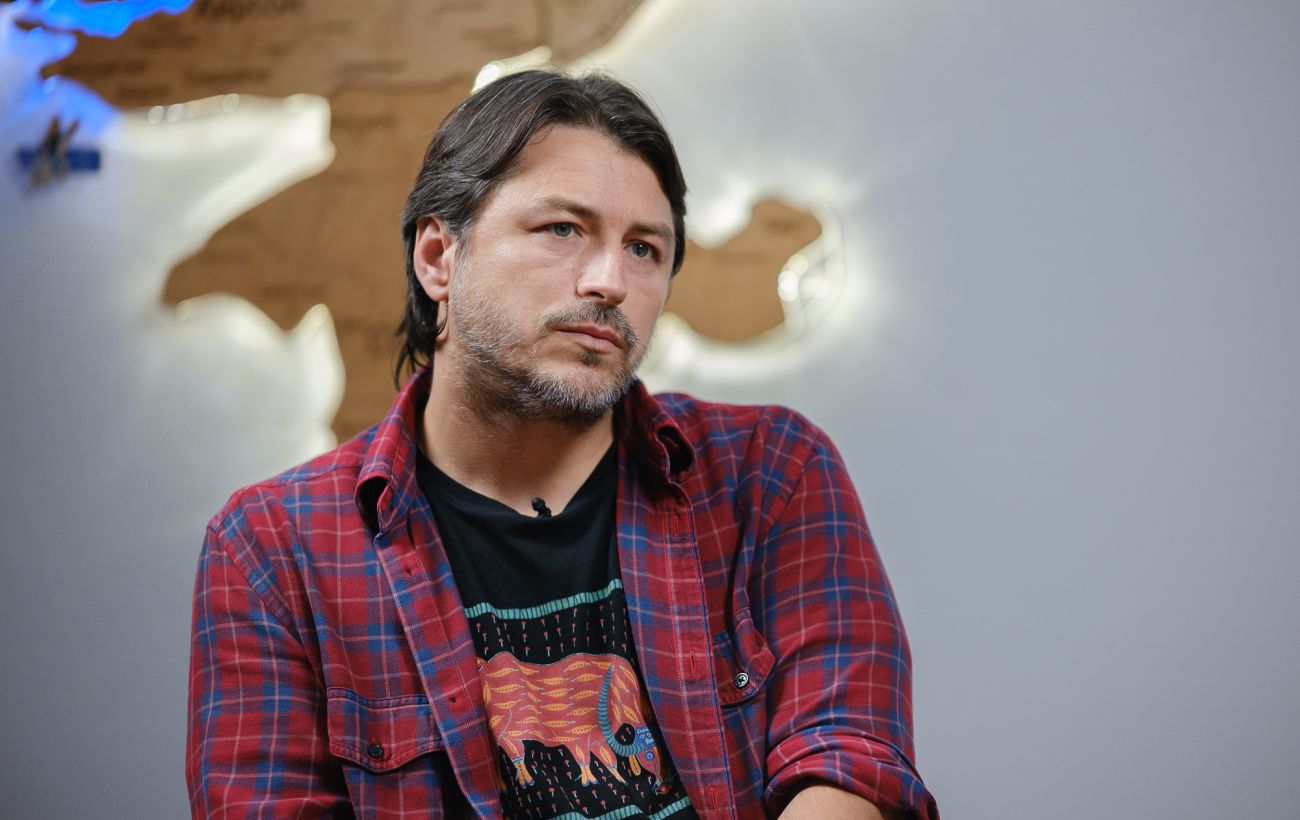
According to Serhiy Prytula, a prominent Ukrainian volunteer and public figure, the perception of Ukrainian refugees differs significantly from that of typical displaced populations. He noted that many Ukrainians are young Christians who adapt quickly to new environments, learn local languages, and adhere to laws. With approximately eight million Ukrainians having fled their homeland, Prytula emphasized that there is no evidence of segregated Ukrainian communities in major European cities, such as Frankfurt or London.
Prytula suggested that the most effective strategy for encouraging the return of Ukrainians lies in creating safe conditions and well-paying jobs within Ukraine. He also highlighted the importance of maintaining connections with those who opt to stay abroad, viewing them as potential agents of influence.
In a bold proposal, Prytula advocated for the establishment of a political representation for Ukrainians in Poland. He pointed out that there are over 2.5 million Ukrainians in Poland, including refugees, who are significantly integrated into the local economy and contribute over 2.7% to the Polish GDP. He compared this potential to existing minority factions, such as the Swedish faction in the Finnish parliament, and called for a concerted effort to unify various Ukrainian community organizations around a common political platform.
In June, discussions in the European Union began regarding a review of the protection status for Ukrainian men in EU countries. Proposals have emerged to reconsider refugee status for men who are subject to mobilization in Ukraine.
For the full interview, visit the RBK-Ukraine YouTube channel and read more on the website tomorrow.
European governments are balancing the integration of Ukrainian refugees with the need to repatriate those dependent on social assistance. Proposals for political representation and discussions on refugee status are shaping the future of Ukrainian communities abroad.