The European Union has decided not to appoint a representative for negotiations aimed at ending the ongoing conflict in Ukraine, opting instead to formulate a cohesive strategy first.
This decision was made during an informal meeting of EU foreign ministers held in Cyprus. According to European diplomats, EU foreign policy chief Josep Borrell, along with several key member states including Germany, sees little value in designating a special negotiator at this stage.
The EU emphasized the necessity of clarifying its stance on potential negotiations with Moscow and determining how it can effectively support diplomatic efforts to conclude the war in Ukraine.
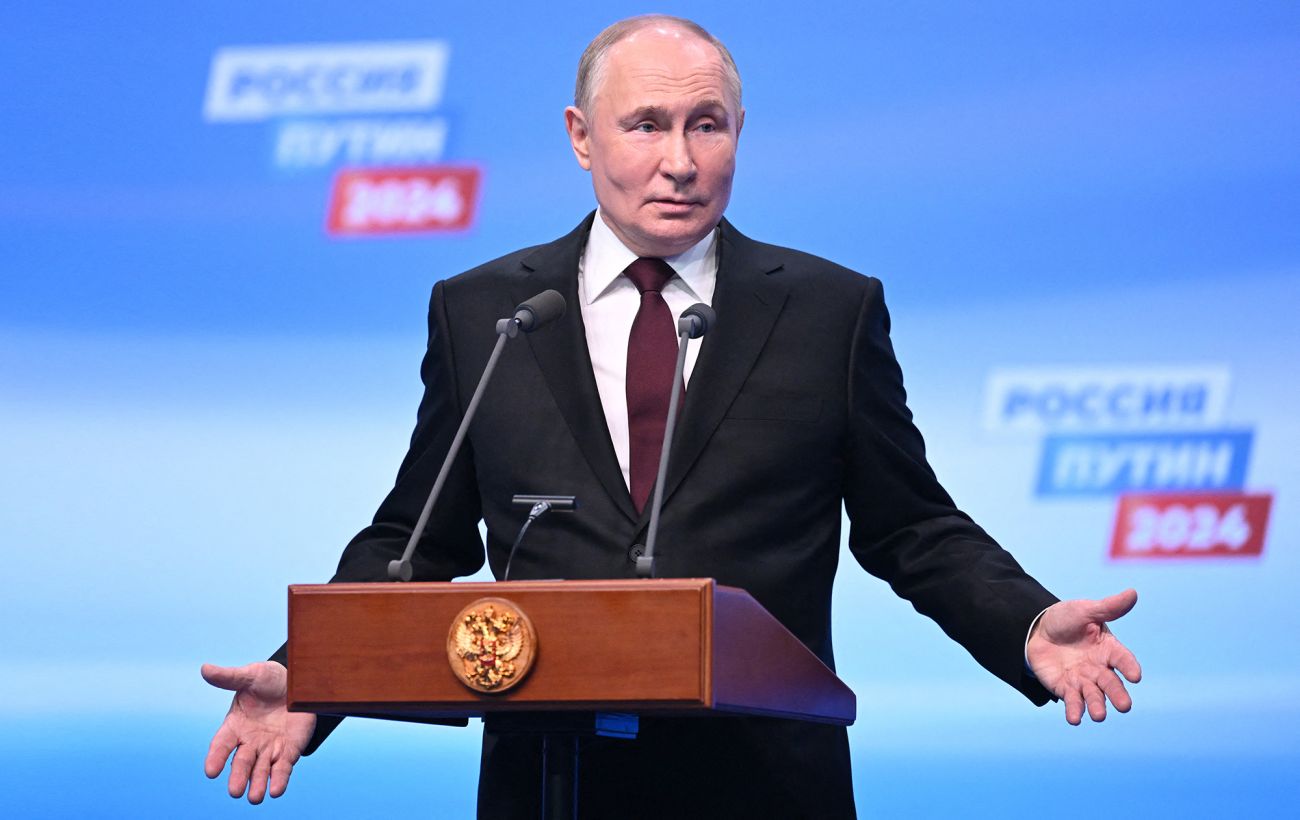
Simultaneously, skepticism about Russian President Vladimir Putin’s intentions for a ceasefire persists within EU circles. As a result, the EU is actively preparing new sanctions against Russia.
The European Commission is expected to unveil the 21st package of restrictions shortly, which may target Russia’s financial sector and companies linked to its defense industry.
Recent reports indicate a division among EU countries regarding the idea of appointing a single negotiator for talks with Russia. Some view it as a potential trap, while others see it as a necessary step as the United States reduces its role as a mediator in the conflict.
Countries that have been most supportive of Ukraine are opposed to the idea of a negotiator. They argue that Putin does not take ceasefire proposals seriously, and appointing a negotiator could undermine the pressure exerted through sanctions on Russia.
Among the names mentioned in European political circles for the negotiator role are European Council President António Costa, Finnish President Alexander Stubb, former European Central Bank President Mario Draghi, former Finnish President Sauli Niinistö, and former European Commission President Jean-Claude Juncker.
Former German Chancellor Angela Merkel’s name has also surfaced, although she has indicated that she does not consider herself a suitable candidate.
Putin has publicly suggested former German Chancellor Gerhard Schröder for the role. However, this proposal has faced strong criticism in both Berlin and Brussels.
German Chancellor Friedrich Merz emphasized that only Europeans will decide who represents their interests, while Kaja Kallas, the EU foreign policy chief, labeled Schröder as a “notorious lobbyist for Russian companies.”
The European Union has opted not to appoint a negotiator for peace talks regarding Ukraine, prioritizing the development of a strategic approach. As skepticism about Russia's intentions grows, the EU is preparing additional sanctions against Moscow.