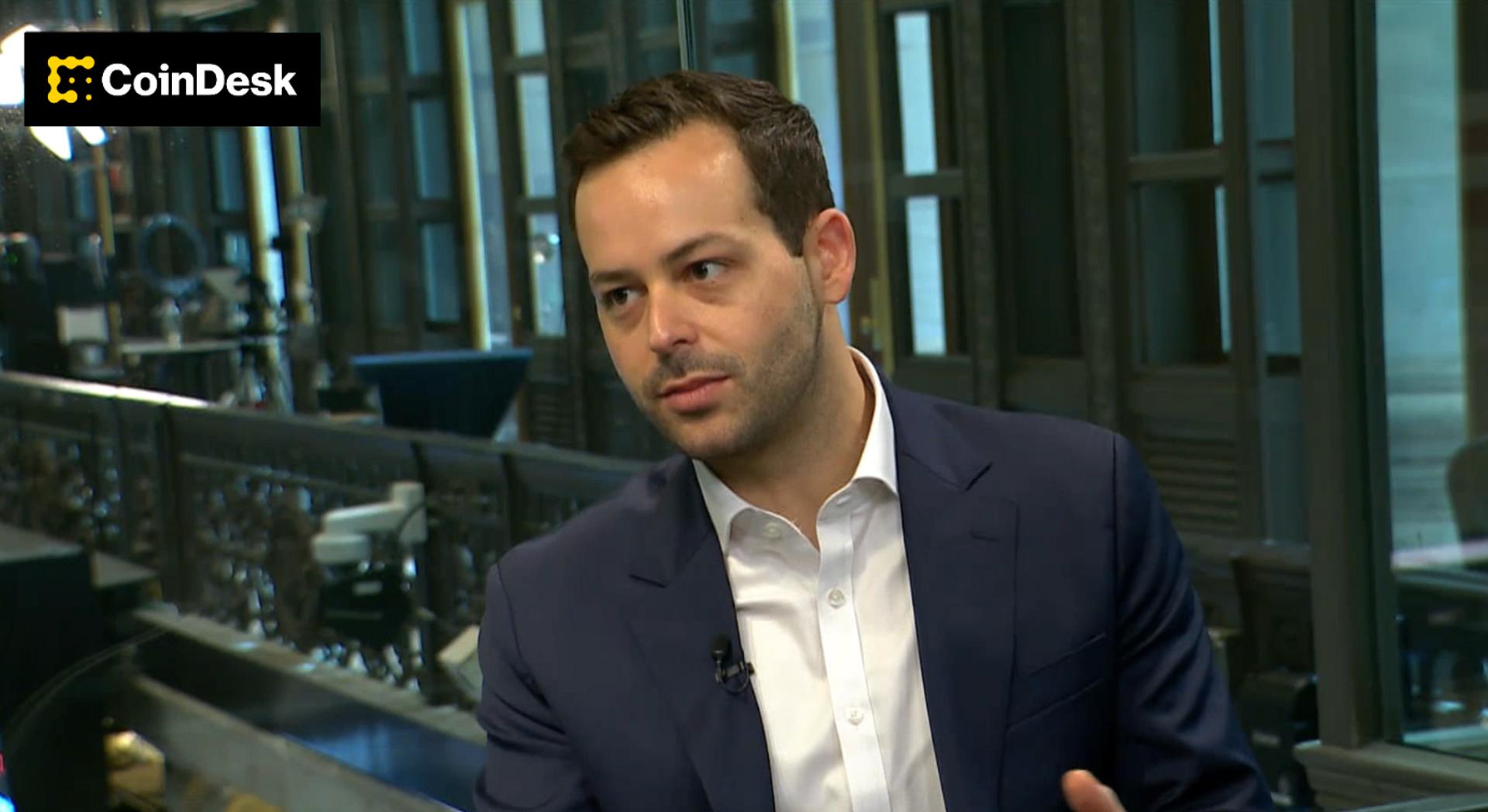
Bitwise Asset Management is experiencing a notable increase in investor interest for its Hyperliquid-focused exchange-traded funds (ETFs), particularly following the introduction of its latest product, BHYP. According to Ryan Rasmussen, the firm’s Head of Research, this uptick reflects a broader trend as Hyperliquid gains traction in the cryptocurrency landscape.
To enhance returns for ETF investors, Bitwise is staking HYPE tokens in-house. This strategy is part of a broader commitment where 10% of management fees are allocated to purchasing HYPE tokens for the firm’s balance sheet, aligning its interests with the Hyperliquid community. Additionally, Bitwise provides transparency by publicly sharing wallet addresses associated with its HYPE ETF reserves, allowing investors to verify holdings on the blockchain.
Rasmussen articulated a vision for Hyperliquid as a potential cornerstone of future financial infrastructure, suggesting it could evolve into a system that traditional finance relies upon. He pointed to the burgeoning sectors of perpetual futures, prediction markets, and spot trading as indicators of Hyperliquid’s expanding ecosystem. Furthermore, he noted trends such as tokenized equities and stablecoins, along with the benefits of 24/7 trading, as factors that could bolster Hyperliquid’s long-term viability.
Bitwise is optimistic about Hyperliquid’s prospects, especially in light of the shifting regulatory environment for cryptocurrencies. Rasmussen emphasized that the current climate allows projects like Hyperliquid to introduce more robust token incentives, reducing the apprehension surrounding regulatory actions that previously hindered growth. He highlighted the platform’s tokenomics, where 99% of fees generated are utilized to buy and burn HYPE tokens, drawing a parallel to traditional stock buybacks, which could resonate well with investors.
However, Rasmussen also acknowledged potential pitfalls, including increased regulatory scrutiny and macroeconomic uncertainties. He pointed out that U.S. oversight of perpetual futures markets could pose challenges for Hyperliquid and similar platforms. Broader economic concerns, such as inflation and Federal Reserve policies, along with geopolitical tensions, remain significant risks for the cryptocurrency sector. Traditional exchanges are reportedly advocating for closer regulatory examination of Hyperliquid as decentralized platforms gain popularity, a typical response from established players facing disruption.
On a broader scale, financial advisors are shifting their perspectives on cryptocurrencies. Rasmussen noted that wealth managers are increasingly inquiring about portfolio allocations, tokenization, and stablecoins, moving beyond the basic skepticism that characterized earlier discussions. Although institutional adoption is still in its early stages, interest is growing among firms managing trillions of dollars, with the quality of conversations between advisors and clients improving significantly over the past two years.
Bitwise Asset Management is witnessing a surge in interest for its Hyperliquid-focused ETFs, particularly with the launch of BHYP. The firm emphasizes transparency and innovative tokenomics, while also acknowledging regulatory challenges ahead.