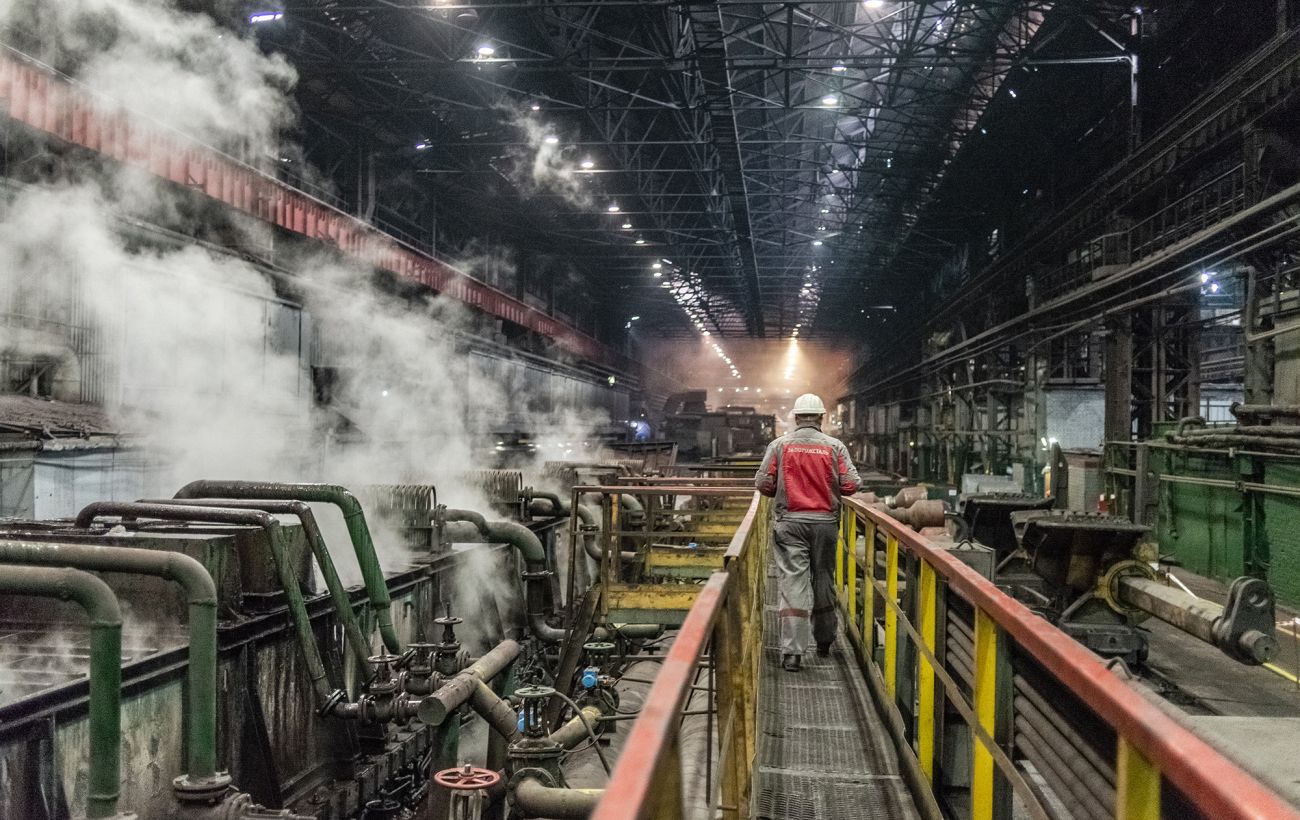
Despite significant losses in production capacity due to the ongoing war, Ukraine’s industrial sector remains a vital component of the national economy. It plays a crucial role in generating foreign currency, contributing to tax revenues, and attracting investments.
According to the State Tax Service, in 2025, the manufacturing industry accounted for 17.9% of total tax revenues, marking it as the leading sector in this regard. This contribution underscores the sector’s importance not only for economic stability but also for national security.
Furthermore, the industrial sector is the largest investor in the Ukrainian economy. In the previous year, companies within this sector directed 259.1 billion UAH towards capital investments, representing nearly 39% of the total investment volume in the country. Notably, over 70% of these funds came from the companies’ own resources.
The social implications of the industrial sector are significant as well. Industrial enterprises create well-paying jobs and contribute to stable tax revenues for local budgets. Data from the State Statistics Service indicates that the average salary in metallurgy during the first quarter of 2026 reached nearly 33,000 UAH, considerably higher than many other sectors.
Experts emphasize that the industrial sector is not merely a driver of economic growth but also a key element of national security. It ensures foreign currency inflows, finances various budget levels, supports employment, and lays the groundwork for post-war recovery.
Maintaining Ukraine’s industrial potential is increasingly viewed as essential for the country’s economic resilience amid the ongoing conflict and future reconstruction efforts.
Prior to the full-scale invasion, Ukraine was among the leading steel producers globally. Its metal products were exported to numerous markets, from Europe to Latin America, while domestic enterprises actively modernized production and increased output of high-value-added products.
However, following the loss of the Mariupol plants, Azovstal and Illich Iron and Steel Works, steel production in the country plummeted by nearly two-thirds. Despite these challenges, the industrial sector continues to be a primary driver of the economy.
The sector also plays a critical role in generating export revenues. While the agricultural sector often garners the most attention, metallurgy, machine engineering, and equipment manufacturing contribute significantly to foreign currency earnings. Exports of industrial products are vital for maintaining the country’s balance of payments, stabilizing the national currency, and funding government expenditures, including defense.
The war has introduced new challenges for Ukrainian producers. Due to the risks associated with the conflict, buyers frequently demand additional discounts on Ukrainian products, reflecting concerns over potential supply disruptions. Nevertheless, Ukrainian enterprises continue to fulfill contracts, even amid attacks on energy infrastructure and complex logistics.
Additionally, the European Union’s implementation of the Carbon Border Adjustment Mechanism (CBAM) presents specific challenges for the industry. The new regulations impose extra costs on exporters of steel, iron, cement, and other energy-intensive products.
Estimates from GMK Center suggest that potential losses for Ukrainian exporters due to CBAM between 2026 and 2030 could reach $4.7 billion, with various budget levels risking a shortfall of around $1.3 billion.
Ukraine's industrial sector remains crucial for the economy despite wartime challenges, contributing significantly to tax revenues and foreign investment. The sector's resilience is vital for national security and post-war recovery efforts.