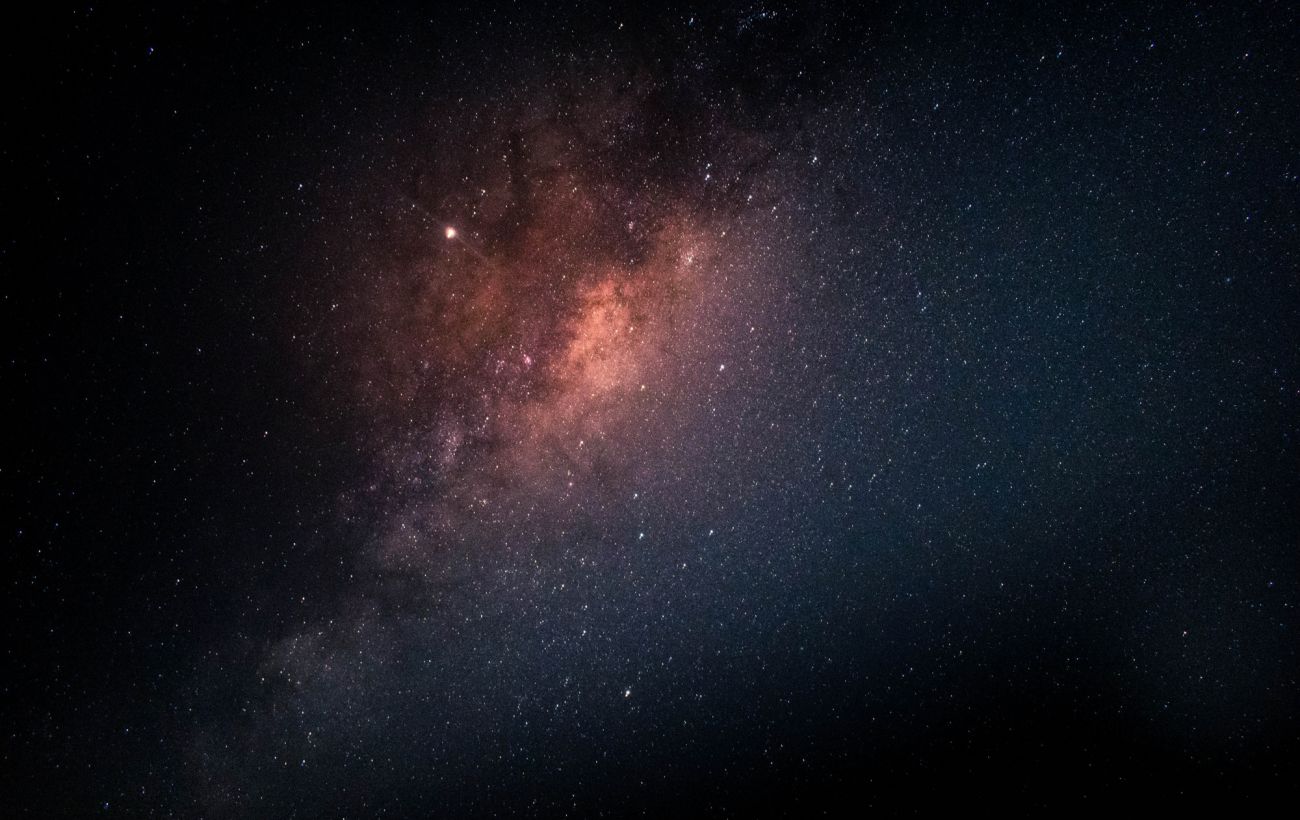
NASA and leading astrophysicists have set the record straight on several widely held misconceptions about space that persist among the general public. Many of these myths have been perpetuated by Hollywood films and outdated educational narratives, contradicting established scientific understanding.
One of the most common cinematic myths suggests that a human exposed to the vacuum of space would instantly explode or freeze. In reality, the human body is resilient enough to withstand such conditions. The primary danger is the lack of oxygen; a person would lose consciousness within 10 to 15 seconds due to oxygen deprivation, leading to death by asphyxiation rather than physical destruction.
The notion of a “dark side” of the Moon has also become a cultural staple, but it is fundamentally incorrect from an astronomical perspective. While the Moon does rotate in a way that only one side is visible from Earth, the far side receives sunlight just like the near side during different lunar phases. It is more accurate to refer to it as the “far side” or “invisible side” of the Moon.
Another myth claims that the Great Wall of China is the only man-made structure visible from space. However, NASA astronauts have repeatedly confirmed that the wall is nearly impossible to see from low Earth orbit without specialized equipment. Its materials blend seamlessly with the surrounding landscape, making it less distinguishable than other human-made structures, such as highways, airports, or city lights, which are more visible in clear weather.
When it comes to the Sun, many illustrations depict it as bright yellow or orange. The truth is that the Sun is actually white. The yellow hue we perceive occurs when sunlight passes through Earth’s atmosphere, scattering shorter blue wavelengths and allowing longer yellow and red wavelengths to dominate our view. Observing the Sun directly from space would reveal its true, blinding white color.
Lastly, the portrayal of asteroid belts in films often depicts them as densely packed fields of massive rocks, requiring spacecraft to navigate perilous paths. In reality, the density of asteroid belts is incredibly low. The distances between objects in the Main Asteroid Belt, located between Mars and Jupiter, are typically measured in hundreds of thousands or even millions of kilometers. The likelihood of a spacecraft colliding with an asteroid during transit is less than one in a billion, and all human probes have successfully traversed these regions without incident.
NASA has clarified several common misconceptions about space, revealing that many popular beliefs are rooted in outdated narratives and cinematic portrayals. From the resilience of the human body in a vacuum to the visibility of the Great Wall of China from space, these insights provide a clearer understanding of our universe.