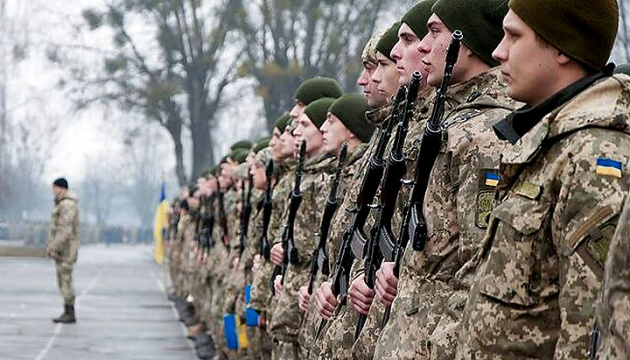
On April 28, 2026, Ukraine’s parliament, the Verkhovna Rada, approved an extension of martial law and general mobilization for an additional three months, lasting until August 2. This decision comes amid a backdrop of intensified military actions, including recent drone strikes targeting Russian military assets.
Military Developments
Ukrainian forces conducted drone strikes on the Tuapse oil refinery in Russia’s Krasnodar region, marking the third such attack in the month. The General Staff of the Armed Forces of Ukraine reported successful hits on the facility, which is believed to support the Russian military. The strikes have resulted in significant fires at the site.
Additionally, Ukrainian long-range capabilities have reportedly increased, allowing strikes on military targets within Russia at distances of approximately 1,750 kilometers, an increase of over 2.5 times since 2022.
On the same day, Ukrainian Special Operations Forces targeted a storage site for Iskander missile systems in occupied Crimea, further demonstrating the reach of Ukraine’s military operations.
In response, Russian forces launched 59 attacks, primarily in the Pokrovsk direction, according to the General Staff of the Armed Forces of Ukraine.
Humanitarian Impact
The ongoing conflict continues to take a toll on civilians. Reports indicate that 349 artists and 137 media workers have lost their lives since the onset of the full-scale invasion by Russian troops. Recent attacks have resulted in casualties, including a drone strike in Kryvyi Rih that killed one man and injured five others.
In Chuhuiv, two individuals were killed due to a drone attack, while five people were injured in Kherson Oblast from similar assaults. In Kyiv, drone debris fell on a cemetery and an unfinished building, resulting in injuries to two individuals.
Political and Economic Developments
President Volodymyr Zelenskyy announced plans for a sanctions package targeting those involved in the transportation of grain stolen by Russia from occupied territories. This follows a formal protest delivered to the Israeli ambassador regarding the importation of such agricultural products.
In the European Union, discussions are underway regarding sanctions against Israel for its purchase of stolen Ukrainian grain, reflecting the broader geopolitical implications of the conflict.
Meanwhile, the United Arab Emirates announced its withdrawal from OPEC and the OPEC+ agreement, a move that could significantly impact global oil markets and the strategic position of Saudi Arabia.
International Reactions
The United States continues to monitor developments closely, with President Donald Trump indicating that Iran is in a state of collapse, suggesting potential shifts in regional dynamics. Meanwhile, U.S. Secretary of State Marco Rubio acknowledged that Iran’s new proposal for negotiations is more favorable than anticipated, emphasizing the need to prevent Iran from acquiring nuclear weapons.
In a related context, the Ukrainian Ministry of Foreign Affairs has been active in international forums, calling for an immediate cessation of military actions near nuclear facilities to prevent potential disasters.
Conclusion
The situation in Ukraine remains fluid, with military engagements escalating and political maneuvers reflecting the complexities of the ongoing conflict. The extension of martial law underscores the pressing need for continued vigilance and preparedness as the conflict evolves.
The Ukrainian parliament has extended martial law amid ongoing military actions, including drone strikes on Russian facilities. The humanitarian toll continues to rise as civilian casualties are reported, while international sanctions discussions intensify.
