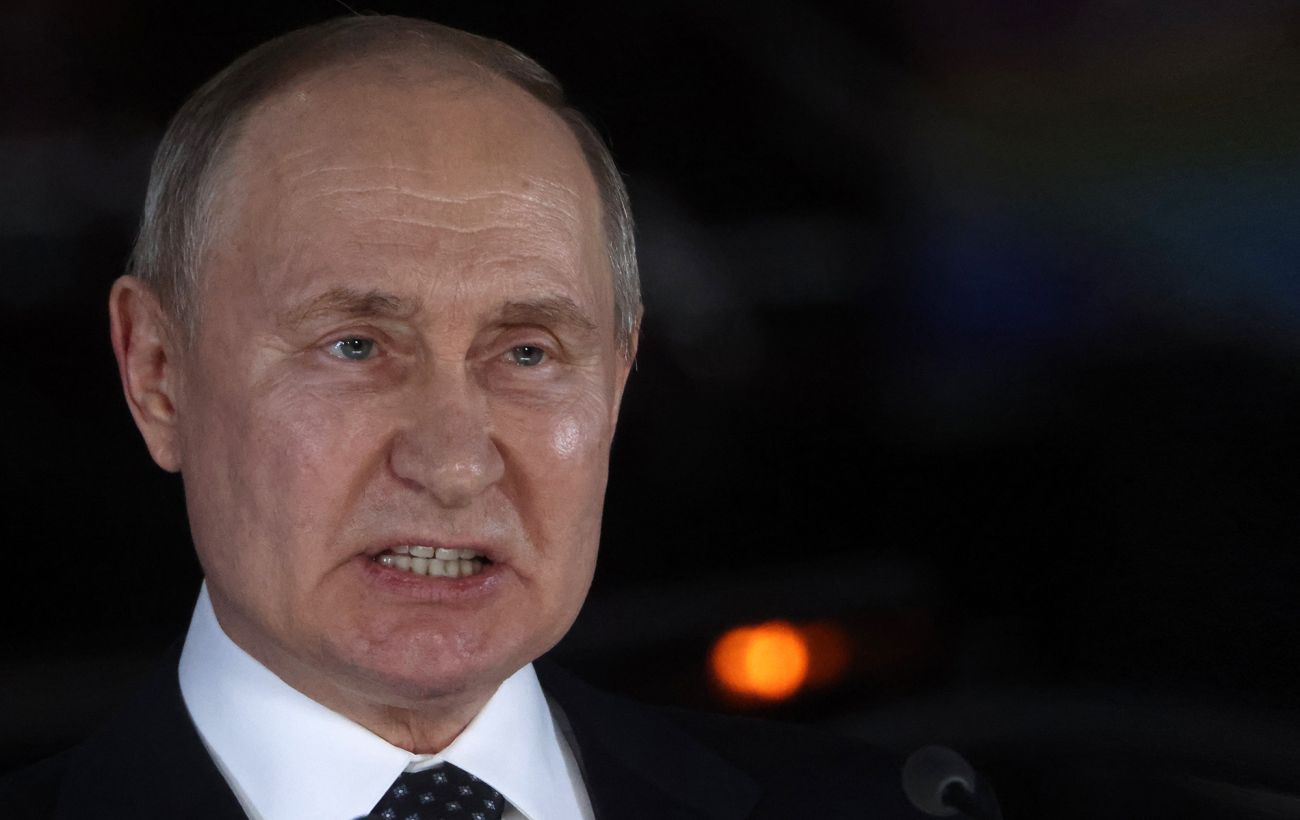
Russian Finance Minister Anton Siluanov and Central Bank representatives have alerted President Vladimir Putin about the increasing strain on the country’s budget due to military expenditures.
High-ranking officials from Russia’s financial sector have indicated that the current military spending structure poses a significant risk of a rapidly widening budget deficit.
The Finance Ministry and the Central Bank are advocating for a reassessment of defense spending, proposing potential cuts to alleviate financial pressures.
Officials believe that without optimizing state expenditures, stabilizing the nation’s finances will be extremely challenging.
However, these proposals have faced resistance from the military and some political leaders, who argue that reduced funding for the armed forces could negatively impact the defense industry and hinder operational capabilities.
Sources reveal that discussions include reallocating the budget to other areas, but final decisions rest with the president.
Some estimates suggest that Russia’s budget deficit could reach trillions of rubles this year, coinciding with a slowdown in the economy and declining growth forecasts.
Additional pressures stem from sanctions, volatile export revenues, and dwindling reserves that previously helped offset the deficit.
The government is already compelled to raise taxes and revise budget parameters.
Experts and government sources indicate that Moscow faces a tough choice between cutting expenditures or seeking new revenue streams, with critical financial policy decisions directly influenced by the president’s stance.
Amid these economic challenges, Putin is set to open the fifth St. Petersburg International Economic Forum since the onset of the full-scale invasion, which is viewed as a platform for exploring new avenues for economic growth.
Russian officials are raising alarms about a potential budget crisis driven by military spending, urging cuts to stabilize finances. Resistance from military leaders complicates the situation as the economy faces significant pressures.