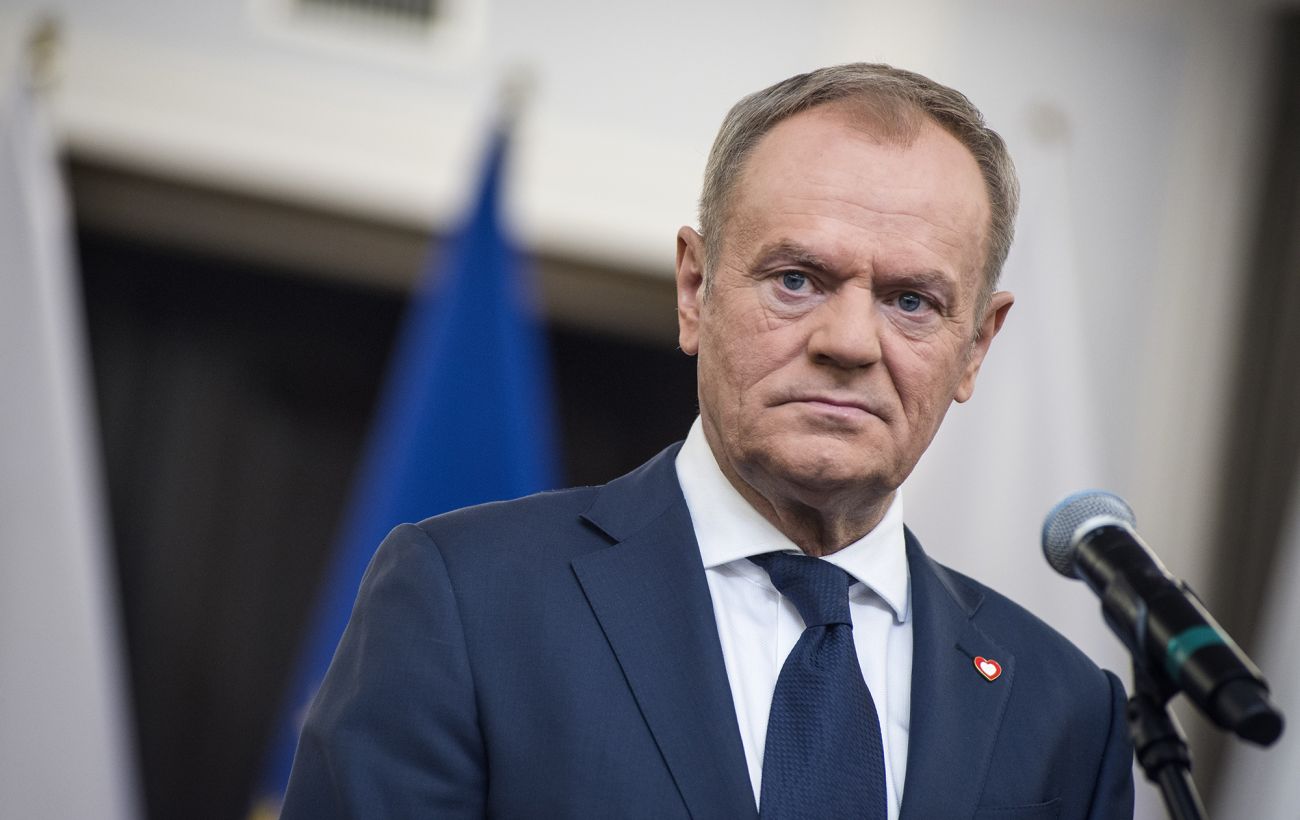
Polish Prime Minister Donald Tusk has characterized the actions of former U.S. President Donald Trump and Hungarian Prime Minister Viktor Orbán, along with the perceived threats to NATO, as part of a “dream plan” for Russian President Vladimir Putin. Tusk articulated his concerns regarding several concurrent geopolitical developments that he believes align with Russian interests.
In a recent statement, Tusk highlighted the potential disintegration of NATO, the easing of sanctions against Russia, an escalating energy crisis in Europe, the cessation of support for Ukraine, and Hungary’s obstruction of loans to Kyiv as interconnected issues that could benefit Moscow. He emphasized that these factors collectively resemble a strategic advantage for Putin.
Additionally, Tusk has openly criticized Orbán and Hungarian Foreign Minister Péter Szijjártó, particularly in light of reports detailing the Hungarian government’s close ties with Russia. He described a leaked audio recording of a conversation between Szijjártó and Russian Foreign Minister Sergey Lavrov as “disturbing,” underscoring what he termed the “deeply troubling” relationship between Budapest and Moscow.
In related remarks, Trump recently stated that the U.S. has significantly reduced its oil imports through the Strait of Hormuz and does not intend to resume them. He suggested that nations reliant on this route should either purchase oil from the U.S. or take measures to unblock the strait themselves.
Following military actions against Iran, Tehran has restricted access to this vital corridor, which is responsible for approximately 20% of global oil production. Furthermore, Iran has introduced a new demand to the U.S., seeking recognition of its sovereignty over the Strait of Hormuz, aiming to leverage this waterway as a source of substantial revenue.
Polish Prime Minister Donald Tusk has raised concerns about the implications of current geopolitical actions, linking them to Russian interests and criticizing Hungary's relations with Moscow. His remarks reflect broader anxieties regarding NATO's stability and energy security in Europe.