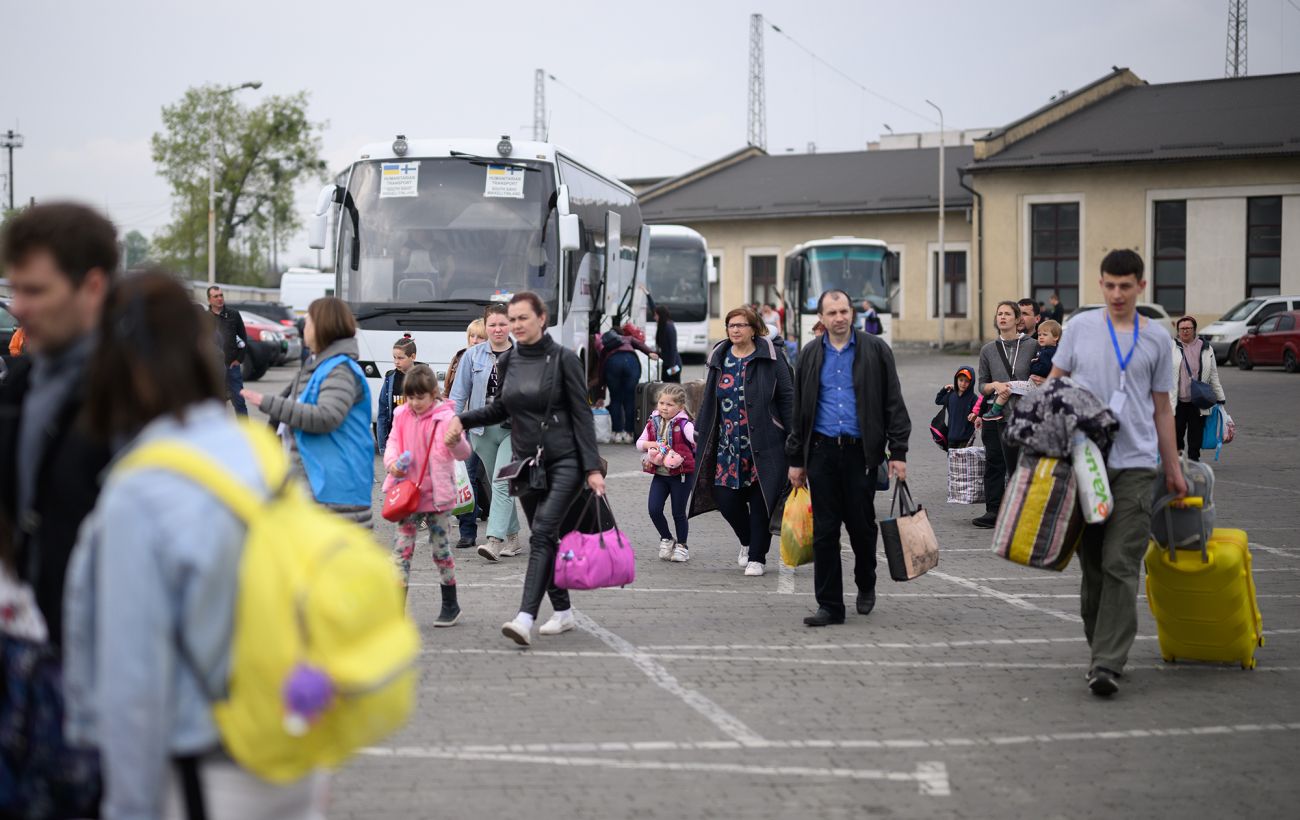
Poland is pushing for a review of the European Union’s temporary protection regulations for Ukrainian refugees, particularly concerning men of conscription age. The discussions focus on the status of these individuals, as Warsaw seeks to amend existing rules to better reflect the current situation.
Since the onset of the full-scale war in Ukraine in 2022, the EU has implemented a temporary protection system for Ukrainian citizens. Poland’s position emphasizes the need to exclude conscription-age men from automatic temporary protection status, arguing that this creates an unequal framework compared to other migrant groups.
Warsaw contends that the current system unfairly treats this demographic, as many men cannot legally leave Ukraine due to military obligations. Poland opposes proposals that would categorize Ukrainian men based on regional safety, arguing that the entire country remains under threat from missile attacks.
The issue has been placed on the agenda for discussions among EU interior ministers, with various options being considered. These include transitioning from temporary status to standard migration procedures and national residence permits. Another possibility is extending the existing mechanism until 2028, albeit with necessary adjustments.
Since 2022, over four million Ukrainians, including men of conscription age, have benefited from temporary protection, allowing them to live and work in EU countries without undergoing standard asylum processes. This status is currently set to continue until March of the following year.
Among the transitional proposals is a gradual shift for Ukrainians, including men, towards national residence permits and voluntary return mechanisms once the war concludes. Poland has already implemented its own transition system, which includes CUKR cards that enable these refugees to move from temporary protection to a standard three-year residence permit.
Ilva Johansson, the EU’s special representative for Ukrainian issues, has reportedly viewed these approaches positively, emphasizing the need to consider vulnerable groups. However, she noted that the situation regarding conscription-age men requires specific regulations and does not involve scenarios of forced return.
As discussions continue within the EU about potential changes to the temporary protection regime beyond 2027, various scenarios are being explored that could affect men of conscription age. An internal EU Council document suggests that while the current mechanism may be extended, there could be restrictions on access to protection for certain categories of new applicants.
Specifically, this could involve excluding conscription-age men and individuals who left Ukraine without legal justification from the system. It is important to note that any potential changes would only apply to new applications for protection and would not impact those who have already secured this status.
Poland is advocating for modifications to the EU's temporary protection rules for Ukrainian refugees, particularly regarding men of conscription age. The discussions aim to address the unique challenges faced by this demographic while ensuring fairness within the broader refugee framework.