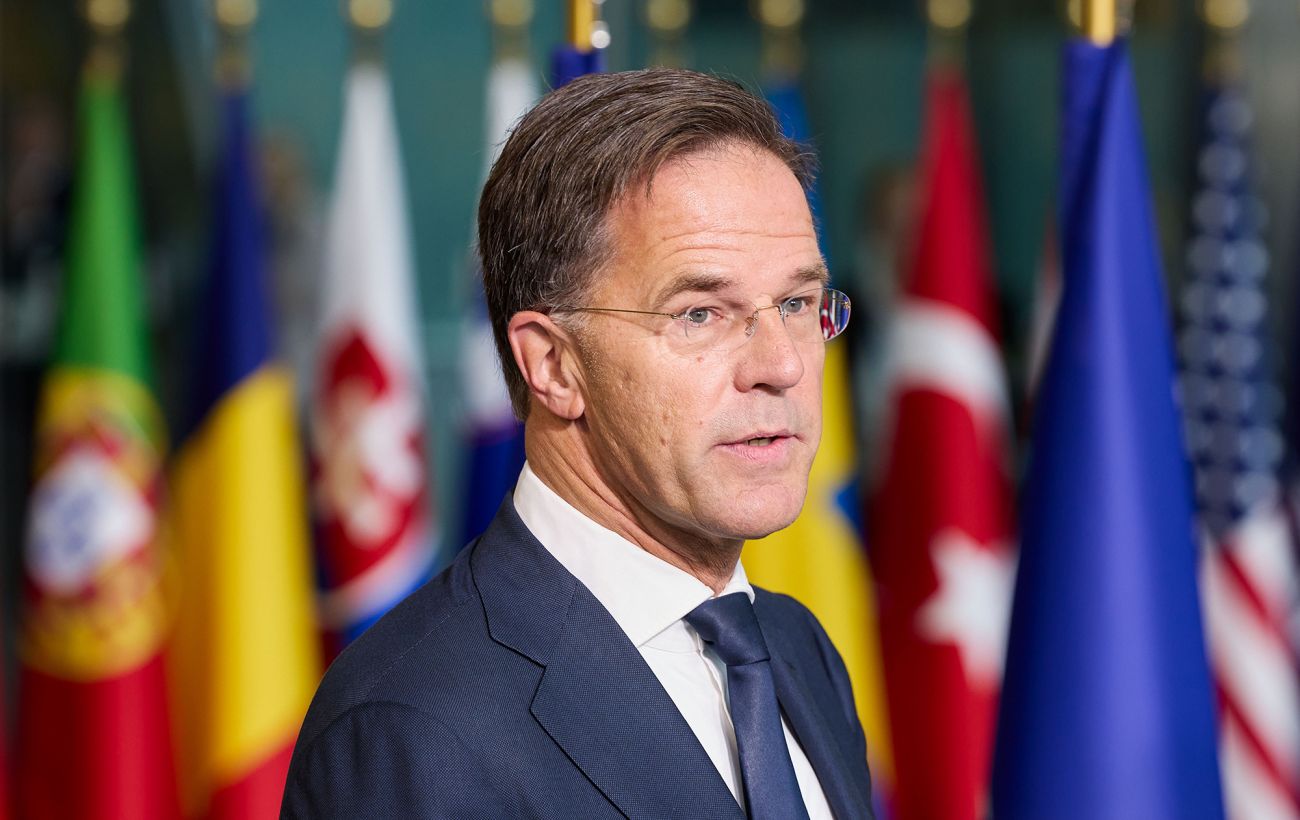
In a significant setback for NATO’s military support strategy, the alliance’s Secretary General Mark Rutte’s proposal to boost military aid to Ukraine has been blocked by several member countries. The decision came during discussions at the NATO summit in Ankara, where unanimity is required for any resolution.
Rutte aimed to secure approval for his ambitious plan, which had garnered backing from at least seven member nations already contributing over 0.25% of their GDP towards aid for Ukraine. However, five countries opposed the initiative, preventing it from moving forward.
This development is particularly damaging for the United Kingdom, which has positioned itself as one of Ukraine’s staunchest allies. The British government, led by Keir Starmer, is already facing criticism for easing sanctions on the import of Russian petroleum products this week.
The UK’s official contribution stands at £3 billion annually, approximately 0.1% of its GDP, making it the third-largest donor after the United States and Germany, yet significantly lower than the proposed threshold.
According to the Kiel Institute, nations like the Netherlands, Poland, and several Scandinavian and Baltic states have already met or exceeded the 0.25% GDP spending mark. In contrast, France, Spain, and Italy, which rank as the third, fourth, and fifth largest economies in Europe, continue to face scrutiny for their insufficient contributions.
NATO's plan to enhance military assistance to Ukraine has been thwarted by opposition from several member states, highlighting tensions within the alliance. The UK faces reputational challenges as it navigates criticism over its military support and recent sanction adjustments.