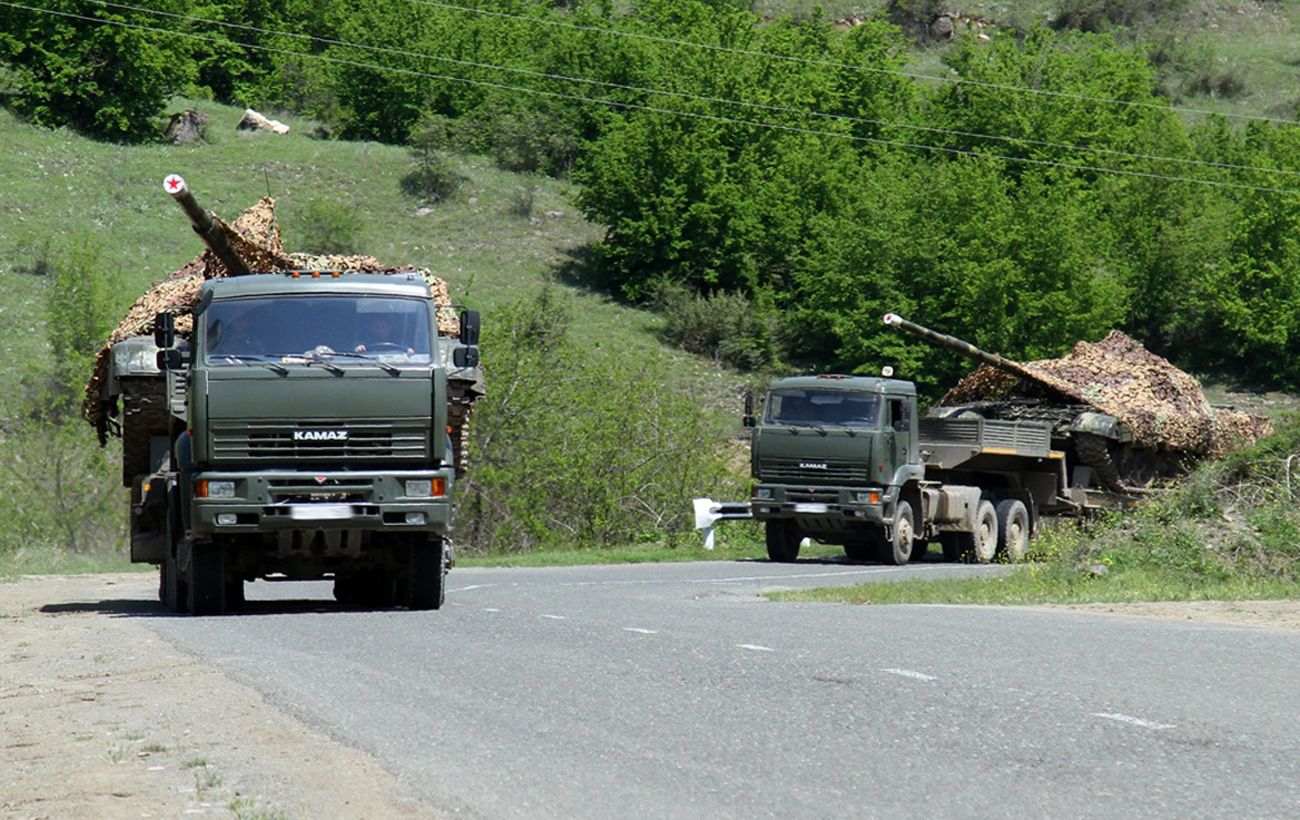
Recent reports indicate significant alterations in the military logistics of Russian forces operating in occupied regions. These changes include an increased frequency of cargo movements utilizing new methods of concealment.
One notable trend over the past week has been the widespread use of blue fuel trucks and other vehicles for transporting munitions. Previously, this tactic was primarily observed in Mariupol, but it is now evident that similar vehicles are regularly being dispatched from both the Rostov region of Russia and occupied Crimea.
According to local sources, as many as 20 vehicles marked in this manner are traversing these routes daily. In addition to this, Russian forces continue to move military convoys, although they are now operating in smaller groups. The primary route for these movements appears to be from Berdyansk to northern areas of the Donetsk region.
Reports from the Center for Occupation Studies indicate that these convoys are consistently accompanied by fire support units, personnel from military command, and members of the National Guard of Russia. This suggests a heightened level of security and coordination during these operations.
In summarizing these observations, the director of the Center, Andriushchenko, speculated that Russian troops may either be regaining confidence in the safety of their transport routes or discovering new methods to mitigate risks associated with these logistics. He remarked, “This could either be desperation or a solution found. Time will tell.”
Recent observations highlight a shift in Russian military logistics in occupied territories, characterized by increased use of specific vehicles for transporting munitions. The movements, now occurring more frequently and with enhanced security measures, suggest a possible adaptation by Russian forces to improve operational safety.