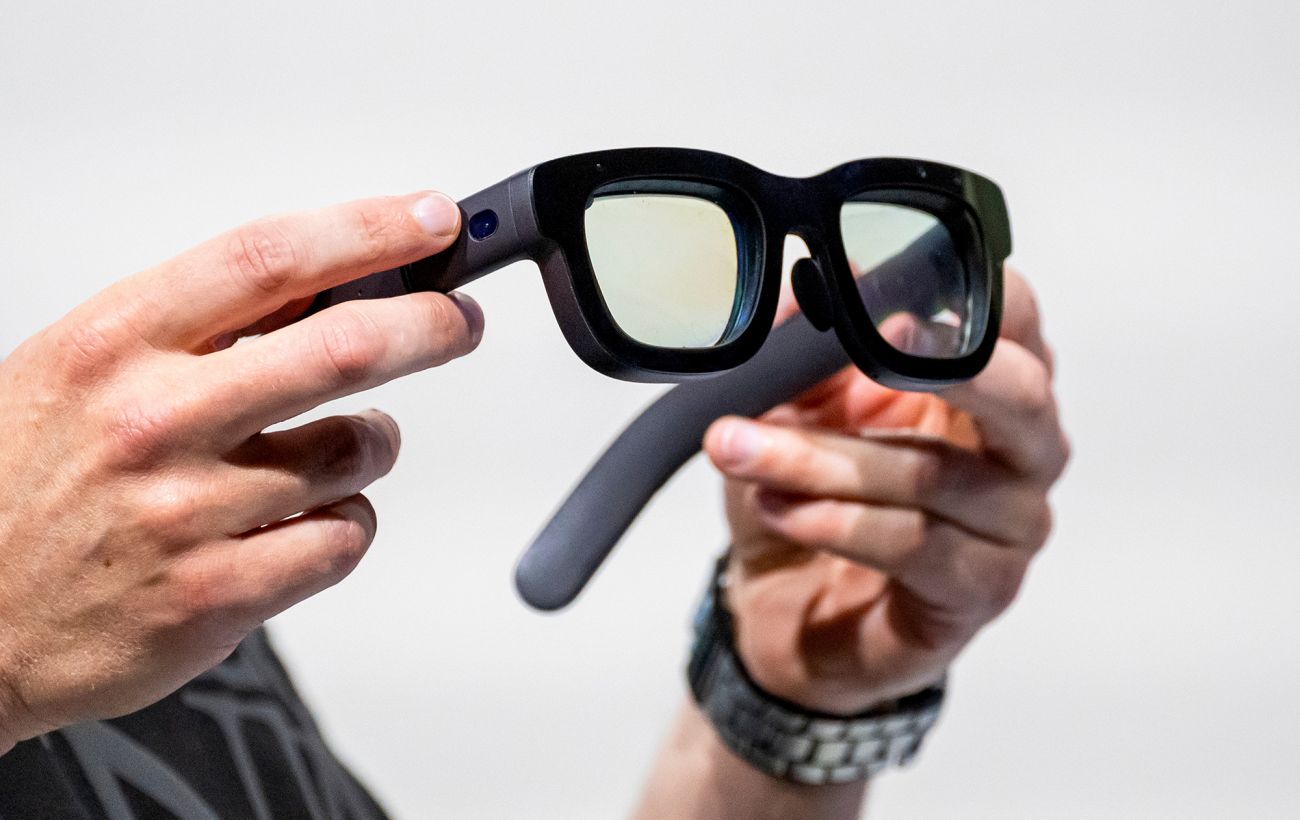
Meta has reportedly utilized facial recognition technology developed by Rank One Computing, a company known for supplying surveillance systems to U.S. government agencies, including the Department of Defense, FBI, and CIA.
Rank One Computing, which recently went public on Nasdaq, derives approximately 80% of its revenue from government contracts. Its technologies are employed by the U.S. Marshals for inmate identification without fingerprinting, as well as by the Naval Criminal Investigative Service (NCIS).
Moreover, under a contract with U.S. Special Operations Command, Rank One has developed a long-range recognition system capable of identifying faces from distances of up to one kilometer.
The license acquired by Meta allowed the integration of military algorithms alongside a liveness detection system, which verifies whether the camera is capturing a real person or just a photograph or mask. The database was designed to support up to 10 million digital facial templates.
An analysis of the Meta AI application, which is associated with Ray-Ban smart glasses, revealed that components of Rank One’s software had been embedded in the app for an extended period, waiting for activation. This internal facial recognition system was codenamed NameTag, but it was never made available to the public. Meta completely removed all related code from the application on June 5, 2026.
Meta representatives declined to comment on inquiries regarding their collaboration with Rank One, the duration of the contract, and the rationale behind licensing military software. Officials from Rank One also refrained from providing any comments.
Privacy experts are alarmed, noting that this case illustrates the increasingly blurred lines between surveillance tools and consumer electronics available in retail stores. Additionally, Rank One’s leadership includes former high-ranking officials from U.S. intelligence agencies. For instance, CEO Scott Swan previously led the FBI’s biometric division, while the board includes a former deputy director of CIA science and a former head of the FBI’s science and technology department.
Another concern is that Rank One’s algorithms have shown varying accuracy during tests conducted by the National Institute of Standards and Technology (NIST). The system produced false results based on gender and ethnicity, performing best with individuals from Eastern Europe, while the error rate significantly increased when identifying women.
Analysts warn that if consumer electronics developers continue to integrate powerful military AI technologies into everyday devices without oversight, it could lead to unpredictable and dangerous consequences for societal privacy.
Meta's integration of Rank One Computing's facial recognition technology has raised significant privacy issues, highlighting the risks of merging military-grade surveillance with consumer electronics. Experts caution that this trend could threaten personal privacy and lead to unforeseen consequences.