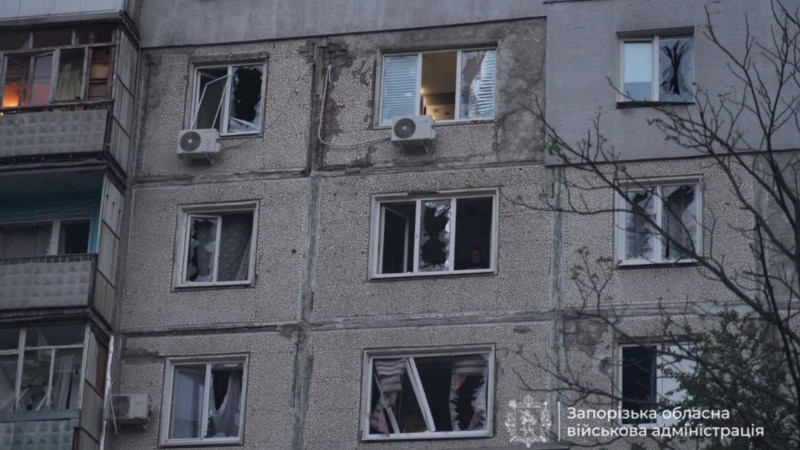
A recent Russian attack in Zaporizhzhia resulted in power outages affecting approximately 50,000 consumers, according to Ivan Fedorov, the head of the regional military administration. The strike, which targeted two districts in the city, prompted immediate efforts from energy workers to restore electricity.
Fedorov had previously warned of the potential threat posed by strike drones in the region. Russian military forces have been known to employ various types of weaponry, including drones, missiles, and multiple rocket launch systems, in their assaults on Ukrainian cities and civilian infrastructure across the country.
Ukrainian authorities and international organizations have classified these attacks as war crimes, asserting that they are deliberate in nature. The targeting of critical infrastructure, such as energy systems and healthcare facilities, is viewed as an attempt to deprive civilians of essential services, including electricity, heating, water supply, communication, and medical assistance.
Legal experts and human rights advocates have raised concerns that the ongoing military actions by Russia could fall under definitions of genocide. They cite statements from Russian officials denying the existence of Ukrainians as an ethnic group and calling for their destruction. Such rhetoric, combined with systematic attacks on vital services and the persecution of pro-Ukrainian individuals in occupied territories, raises alarms about the intent behind these military operations.
Furthermore, the destruction of cultural heritage, including the removal of Ukrainian literature from libraries and the targeting of educators and artists, is seen as an effort to erase Ukrainian identity.
The 1948 United Nations Convention on the Prevention and Punishment of the Crime of Genocide obliges its signatory states, currently numbering 149, to prevent and punish acts of genocide during both war and peacetime. The convention defines genocide as actions intended to destroy, in whole or in part, a national, ethnic, racial, or religious group.
Signs of genocide include the killing of group members, causing serious bodily or mental harm, and deliberately inflicting conditions calculated to bring about a group’s destruction. Public incitement to commit such acts is also considered a violation of this convention.
In response to the allegations, Russian leadership has denied that its military conducts targeted strikes against civilian infrastructure, insisting that their operations are aimed at military objectives.
A Russian strike in Zaporizhzhia has left 50,000 residents without power, prompting immediate restoration efforts. Ukrainian officials characterize these attacks as war crimes, raising concerns about potential genocide against the Ukrainian people.