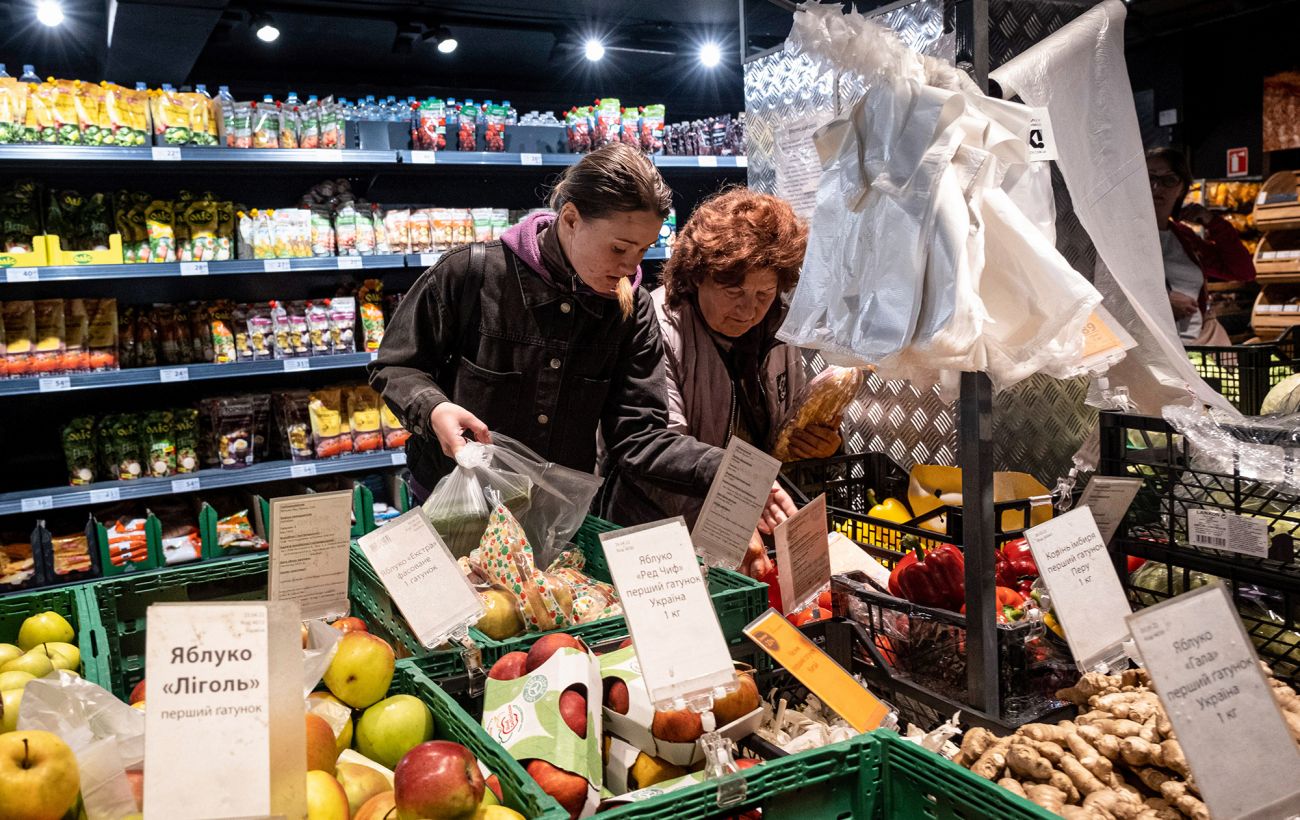
In Ukraine, the food market is experiencing significant fluctuations as new harvests lead to price reductions for some products, while others are facing increases due to spring frosts and ongoing energy challenges. Consumers are likely to encounter a mixed landscape in grocery stores this summer.
Key Developments:
- Food Basket Costs Rise: By the end of May, the price of essential food items increased by nearly 10% compared to last year.
- Fruit Shortages: Domestic apricots and peaches are expected to be in short supply due to spring frosts.
- Lower Prices for Vegetables: Basic vegetables are currently 15-17% cheaper than last year, with potatoes seeing a price drop of 20%.
- Bread Prices Increasing: Due to generator costs during power outages, bread prices may rise by 5% over the summer and could increase by 25% by autumn.
- Diesel Prices Declining: Diesel fuel prices at Ukrainian gas stations are projected to fall below 80 UAH per liter soon.
- Three Scenarios: Experts have outlined several forecasts for the summer food spending of Ukrainians.
The fruit market is particularly affected by recent weather conditions. Apricots, peaches, early cherries, and strawberries are at risk of shortages due to the impact of spring frosts. Experts indicate that the prices for these domestic fruits will largely depend on import levels.
Interestingly, a trend has emerged in which imported bananas are surpassing domestic apples in popularity among Ukrainian consumers, as bananas are nearly half the price of local apples. This price disparity arises from the fact that bananas can be harvested up to 30 times a year globally, while apples in Ukraine are harvested just once.
Vegetable Prices: The cost of the basic borscht ingredients is currently 15-17% lower than last year, with potato prices dropping by an average of 20%. Young potatoes, which started at 45 UAH/kg, are expected to decrease significantly in price over the next month to six weeks.
Cucumbers and tomatoes are anticipated to be the cheapest vegetables from late June through August. However, substantial price drops are not expected due to high fuel costs and elevated energy expenses for producers.
Rising Bread Prices: The reliance on generators during power outages is significantly increasing the cost of baking. Optimistic estimates suggest that bread prices may rise by 5% in the next three to four months (approximately 1-1.5 UAH per loaf), while pessimistic forecasts predict a potential increase of up to 25% by autumn.
Dairy and Meat Products: Prices for dairy items and eggs are expected to stabilize, with butter remaining around 60 UAH and milk priced up to 50 UAH for a 2.5% bottle. Seasonal reductions in egg and meat prices are anticipated due to lower feed costs and competition among private farms.
Grocery Prices: Sugar remains 10% cheaper than last year, while sunflower oil is becoming more expensive due to dwindling seed supplies, and buckwheat prices are rising due to packaging costs. Fish prices are expected to remain stable, with hake priced at 189-199 UAH/kg and lightly salted herring around 235 UAH/kg. Conversely, the price of chilled trout steaks has decreased to 849 UAH/kg due to increased fishing activity in Norway.
Fuel Price Trends: Diesel prices in Ukraine are now fully influenced by the global market. Following a decline in oil prices below $100 per barrel, significant reductions in diesel fuel prices are expected soon, potentially dropping from the current 85 UAH to below 80 UAH per liter. Gasoline prices, however, are likely to remain unchanged.
Summer Spending Scenarios: As of late May, the overall cost of the Ukrainian food basket has already risen by 9.5% compared to the previous year. Experts have outlined three potential scenarios for summer food spending:
- Optimistic: Average spending growth may be contained within 5-8%.
- Base Case: Prices could be 8-15% higher than last year, with seasonal produce helping to moderate inflation, but logistics and energy costs preventing prices from falling below last year’s levels.
- Pessimistic: In the event of worsening energy crises and further weather anomalies, spending could increase by 15-25%.
Ukraine's food market is experiencing contrasting trends this summer, with some prices rising due to weather and energy issues, while others decline. Experts predict varying scenarios for consumer spending, reflecting the complexities of the current economic landscape.