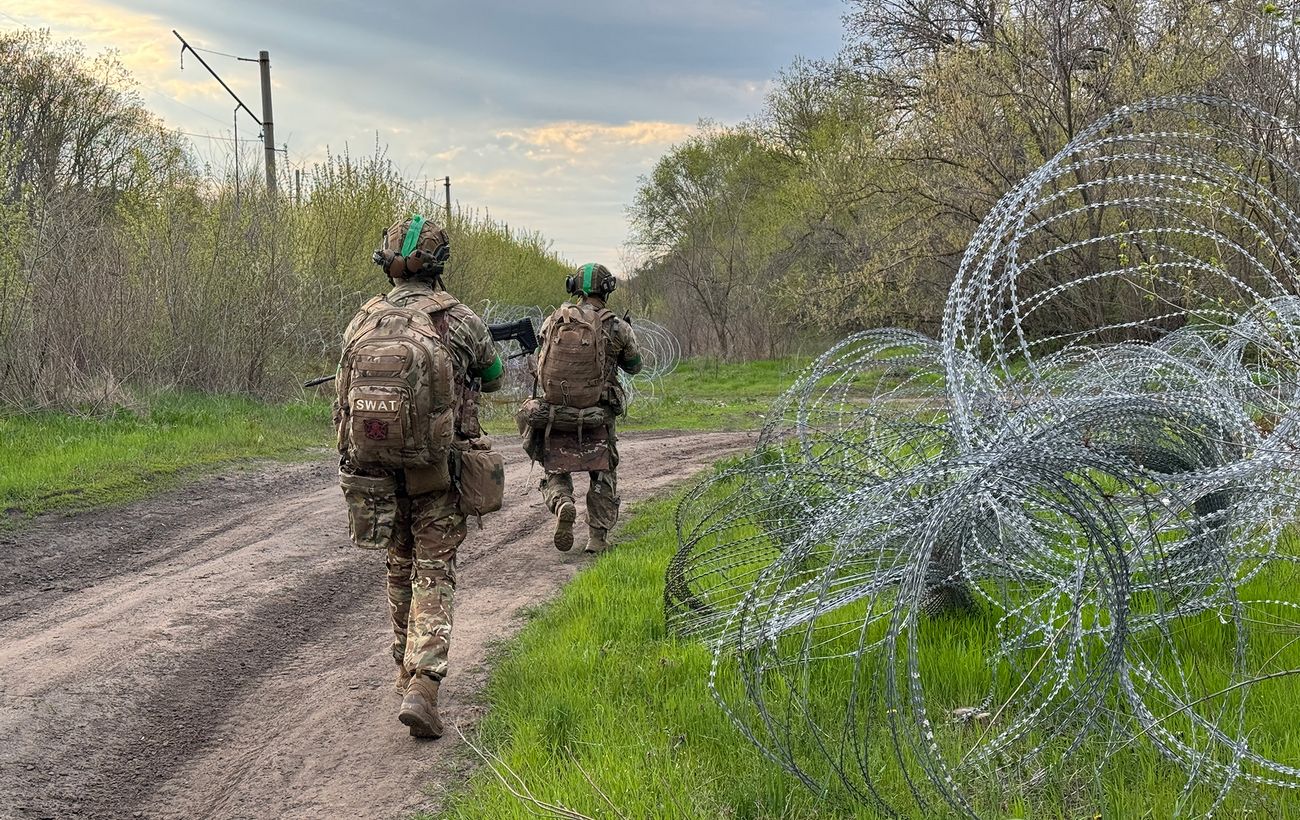
Ukrainian President Volodymyr Zelensky has ordered preparations for a potential continuation of the war for an additional two to three years. Despite some positive developments on the front lines, the country faces significant challenges ahead.
According to sources within the Ukrainian government, claims regarding the prolonged military preparations have been dismissed as an “old narrative.”
The current situation on the battlefield is reportedly the most favorable for Ukraine in recent years, attributed to the effective deployment of drones that have disrupted Russia’s ground offensive. Ukrainian forces are currently inflicting greater casualties on Russian troops than Moscow can replenish through mobilization.
However, internal political divisions pose a major risk to Ukraine’s future. Initial societal unity has weakened under the pressures of war and corruption scandals, particularly the recent controversy involving President Zelensky’s close associates.
Reports indicate a shift in Zelensky’s governance style, with a more detached approach and the emergence of a “cult of loyalty” around him. His office has also faced accusations of controlling the media landscape and using anonymous accounts to undermine political opponents.
Additionally, there are concerns regarding the sabotage of anti-corruption efforts, highlighted by the dismissal of Vasyl Maliuk as head of the Security Service of Ukraine after he refused to assist in pursuing anti-corruption activists.
Some sources express cautious optimism about the potential for peace negotiations to resume as early as this summer. However, the prevailing view is that hostilities may continue until one side capitulates.
The Economist has noted the uncertainty surrounding a turning point for Russia. Despite economic stagnation, sanctions, and internal criticism, the Russian budget has been temporarily bolstered by the war in Iran, which has sustained high oil prices.
Ukrainian President Zelensky has indicated preparations for a prolonged conflict, while internal political strife and corruption scandals pose significant risks. Despite a favorable military situation, the prospect of peace negotiations remains uncertain.