Recent statements from Ukrainian officials highlight a concerning trend in Russia’s military strategy, particularly regarding its threats towards Ukraine. These threats are reportedly linked to the lack of significant strategic successes for the Russian army on the battlefield.
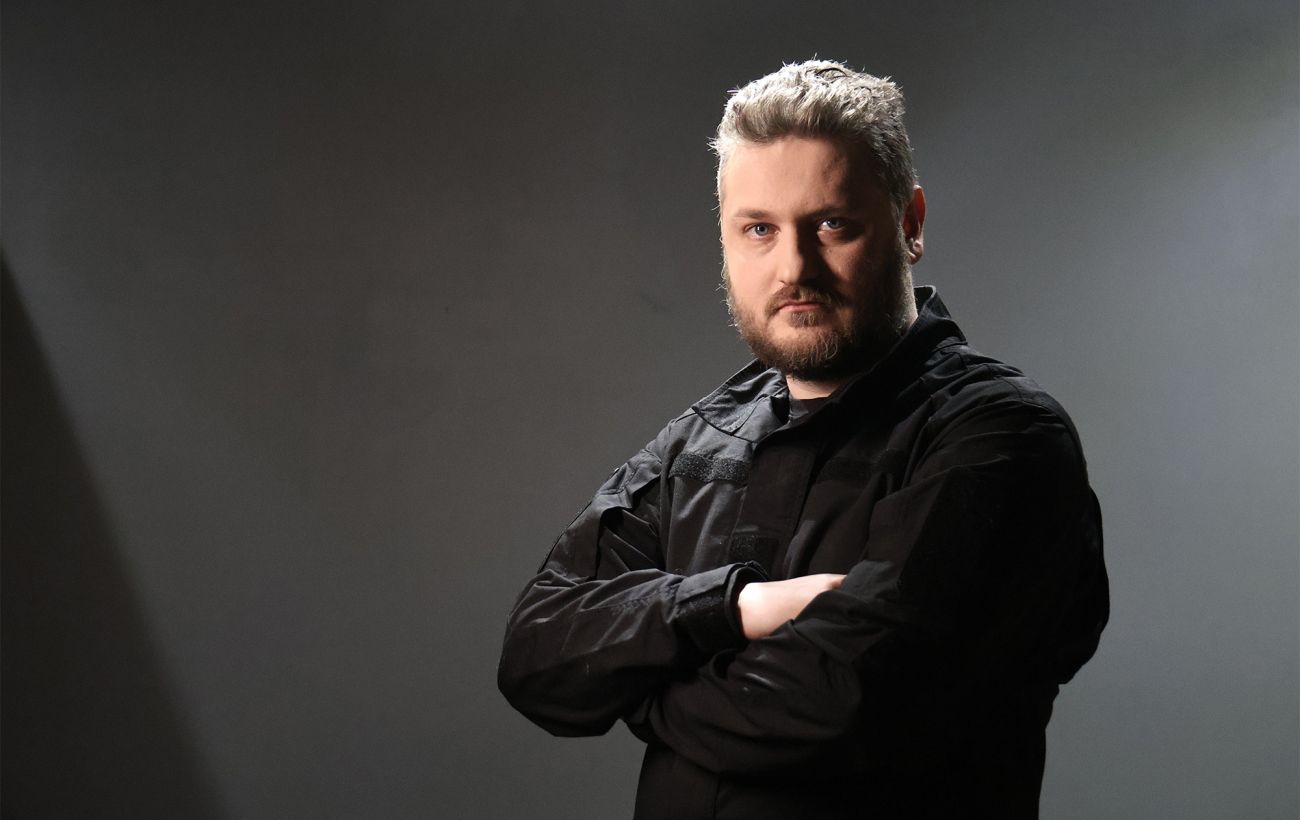
According to Oleksandr Kovalенко, a representative of the Center for Defense Strategies, the Russian leadership has shifted its focus to terrorizing the civilian population in Ukraine, especially in the capital city of Kyiv. He stated, “In the absence of strategic results on the front, the leadership of this terrorist entity masquerading as a state is officially declaring a course of terror against the civilian population and intimidation of the residents of Ukraine.” This marks a notable shift in tactics as the Kremlin seeks to exert psychological pressure on Ukrainians, potentially aiming to coerce them into capitulation.
Kovalенко identified a second motivation behind these threats: Russia’s desire to influence the international diplomatic presence in Kyiv. He noted that Russia has previously targeted foreign diplomatic missions and is wary of the repercussions should its military actions inadvertently hit embassies of influential countries. The Kremlin appears to be attempting to replicate its earlier strategy from the onset of the full-scale invasion in 2022, which aimed to drive diplomats out of Kyiv.
However, Kovalенко pointed out that the current situation is markedly different. The Russian military’s perceived weakness has diminished its ability to instill fear, losing influence not only in Ukraine but also in regions such as the Caucasus and the Middle East. He remarked, “The Russians are experiencing phantom pains due to this loss of influence.”
A third factor contributing to Russia’s threats is its attempt to divert attention from attacks within its own territory and its inability to safeguard its own regions, including Moscow. Kovalensko emphasized that while Ukraine continues to target military installations, Russia resorts to terror tactics against civilians.
He concluded by stating, “The Russians believe that by shelling Kyiv and other cities, they can protect Moscow. In reality, they are merely increasing the presence of war in Moscow and beyond. The only way to safeguard against this is through peace, which Putin is unwilling to pursue.” This analysis underscores the complexities of the ongoing conflict and the evolving strategies employed by both sides.
Ukrainian officials have highlighted that recent Russian threats are driven by military failures and an intention to intimidate civilians. This shift in strategy reflects Moscow's broader challenges and its attempts to influence international perceptions while diverting attention from its own vulnerabilities.