Ukrainian military operations have recently intensified, with significant strikes reported in various regions. In the Donetsk area, Ukrainian forces successfully targeted an ammunition depot and a command-observation post of the opposing forces.
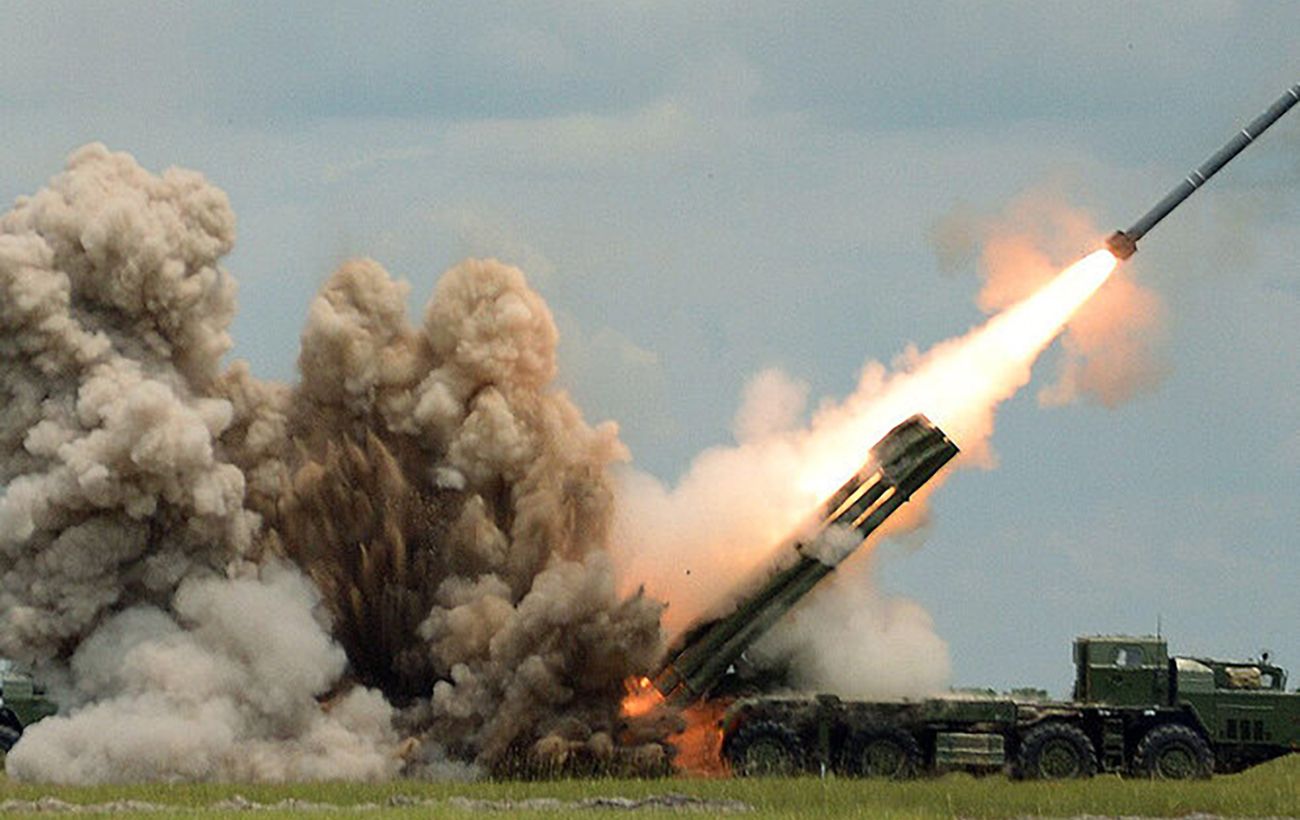
In the temporarily occupied city of Melitopol, located in the Zaporizhzhia region, a Tornado-S multiple launch rocket system was struck, although the extent of the damage remains under assessment. Additionally, drone control points belonging to the enemy were hit in the areas of Malynivka in Donetsk and Huliaipole in Zaporizhzhia.
Further strikes were reported in Mykolaivka, Zaporizhzhia, where a repair unit of Russian troops was also affected. Information regarding enemy losses and the scale of damage is still being clarified.
“The Ukrainian defense forces will continue to take measures to reduce the combat potential of the Russian occupation troops,” stated the General Staff.
On April 26, a large-scale special operation was conducted by the Security Service of Ukraine (SBU) in occupied Crimea, targeting a naval base in Sevastopol and the Belbek airfield. According to Ukrainian sources, three combat ships were struck, along with damage to a MiG-31 fighter jet and several air defense facilities.
Analysts from the Institute for the Study of War have noted that Ukrainian forces have identified vulnerabilities in Russian air defense systems, which they are actively exploiting. Over the past two weeks, Ukraine has reportedly conducted at least ten strikes on Russian oil and gas infrastructure, attributed to the overextension of Russian air defenses. There has also been an increase in the range and intensity of attacks since March 2026.
Ukrainian military operations have escalated, targeting key Russian military assets and infrastructure. Recent strikes in various regions highlight ongoing efforts to diminish the combat capabilities of Russian forces amid identified vulnerabilities in their air defense systems.