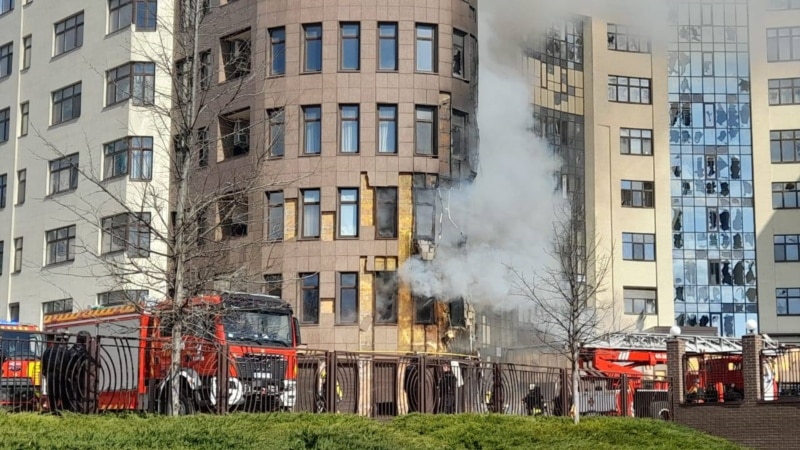
The number of individuals injured in a recent Russian attack in Kharkiv has increased to six, according to Oleg Synegubov, head of the regional military administration. The assault targeted the Osnovyansky district, where medical personnel have treated those affected, including a 17-year-old girl who experienced acute stress reactions.
Local authorities reported damage to a residential building as a result of the strike. Efforts to address the aftermath of the attack are ongoing. This incident is part of a broader pattern, as Russian forces frequently utilize various types of weaponry—including drones, missiles, and artillery—to target Ukrainian cities and civilian infrastructure across the country.
Ukrainian officials and international organizations have categorized these attacks as war crimes, emphasizing their deliberate nature. The bombardments are aimed at critical infrastructure, including energy and healthcare systems, with the intent of depriving civilians of essential services such as electricity, heating, water supply, and medical assistance.
Legal experts and human rights advocates have raised concerns that these actions may constitute genocidal behavior. They point to several indicators, including public statements from Russian officials denying the existence of Ukrainians as an ethnic group, and calls for their destruction. Other cited actions include systematic targeting of civilians, particularly those with pro-Ukrainian sentiments, and the destruction of cultural heritage.
The Convention on the Prevention and Punishment of the Crime of Genocide, adopted by the UN General Assembly in 1948, obligates signatory nations to prevent and punish acts of genocide in both wartime and peacetime. The Convention defines genocide as actions intended to destroy, in whole or in part, a national, ethnic, racial, or religious group.
Indicators of genocide include the killing or causing serious bodily harm to members of a group, deliberately creating conditions aimed at destroying the group, and the forcible transfer of children from one group to another. Despite these allegations, Russian leadership continues to deny that its military targets civilian infrastructure, claiming that such accusations are unfounded.
The recent Russian attack in Kharkiv has resulted in six injuries, with local authorities reporting significant damage to residential areas. This incident reflects ongoing patterns of targeted strikes on civilian infrastructure across Ukraine, raising serious concerns about potential war crimes and genocidal actions.