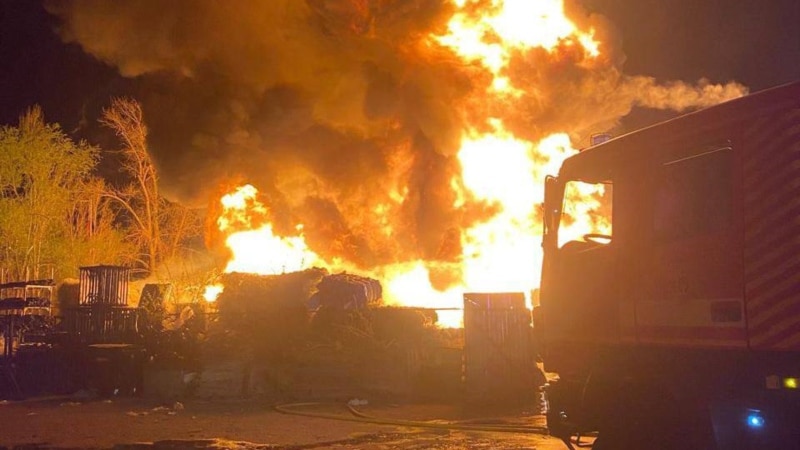
Between April 15 and April 16, the Russian military launched two waves of combined attacks on Ukraine, employing ground and air-launched missiles as well as drones, according to the Ukrainian Air Force Command.
During this period, radar units detected a total of 703 aerial targets, which included:
- 19 Iskander-M/S-400 ballistic missiles
- 20 Kh-101 cruise missiles
- 5 Iskander-K cruise missiles
- 659 drones of various types, including Shahed, Gerbera, and Italmas
Ukrainian air defense forces reported the interception or suppression of 667 of these threats, comprising 19 Kh-101 cruise missiles, eight Iskander-M/S-400 ballistic missiles, four Iskander-K cruise missiles, and 636 drones.
The military noted that strikes had resulted in hits from 12 missiles and 20 attack drones across 26 locations, with debris from intercepted missiles landing in 25 areas. Further details regarding one cruise missile are still being verified.
Russian forces have consistently targeted Ukrainian cities and civilian infrastructure using various weaponry, including drones, missiles, and guided bombs. These attacks have raised concerns among Ukrainian authorities and international organizations, which classify them as war crimes due to their deliberate nature.
Attacks on essential services and healthcare facilities are seen as efforts to deprive civilians of electricity, heating, water supply, communication, and medical assistance, actions that some legal experts and human rights advocates characterize as genocidal.
Legal scholars assert that during the ongoing conflict, Russia has committed acts that could fall under the definition of genocide. This includes public declarations by Russian officials that deny the existence of Ukrainians as an ethnic group, calls for their destruction, and systematic targeting of critical infrastructure.
Specific allegations of genocidal actions include:
- Public calls for the extermination of Ukrainians
- Targeted attacks on vital services and health facilities
- Persecution of pro-Ukrainian individuals in occupied territories
- Attacks on intellectuals and cultural figures
- Efforts to alter the identity of children through education in occupied areas
- Deportation of children to Russia for identity alteration
- Destruction of Ukrainian cultural artifacts and literature
The United Nations Convention on the Prevention and Punishment of the Crime of Genocide, adopted in 1948, obligates its 149 member states to prevent and punish acts of genocide both in wartime and peacetime.
This convention defines genocide as actions intended to destroy, in whole or in part, a national, ethnic, racial, or religious group. Indicators of genocide include the killing of group members, causing serious bodily or mental harm, deliberately inflicting living conditions aimed at destruction, preventing births, and forcibly transferring children from one group to another.
Russian leadership has consistently denied allegations that its military intentionally targets civilian infrastructure in Ukraine, asserting that such claims are unfounded.
Recent Russian military actions against Ukraine have involved extensive use of missiles and drones, leading to significant interceptions by Ukrainian air defense. The ongoing attacks, which target civilian infrastructure, have drawn international condemnation and allegations of war crimes and genocide.