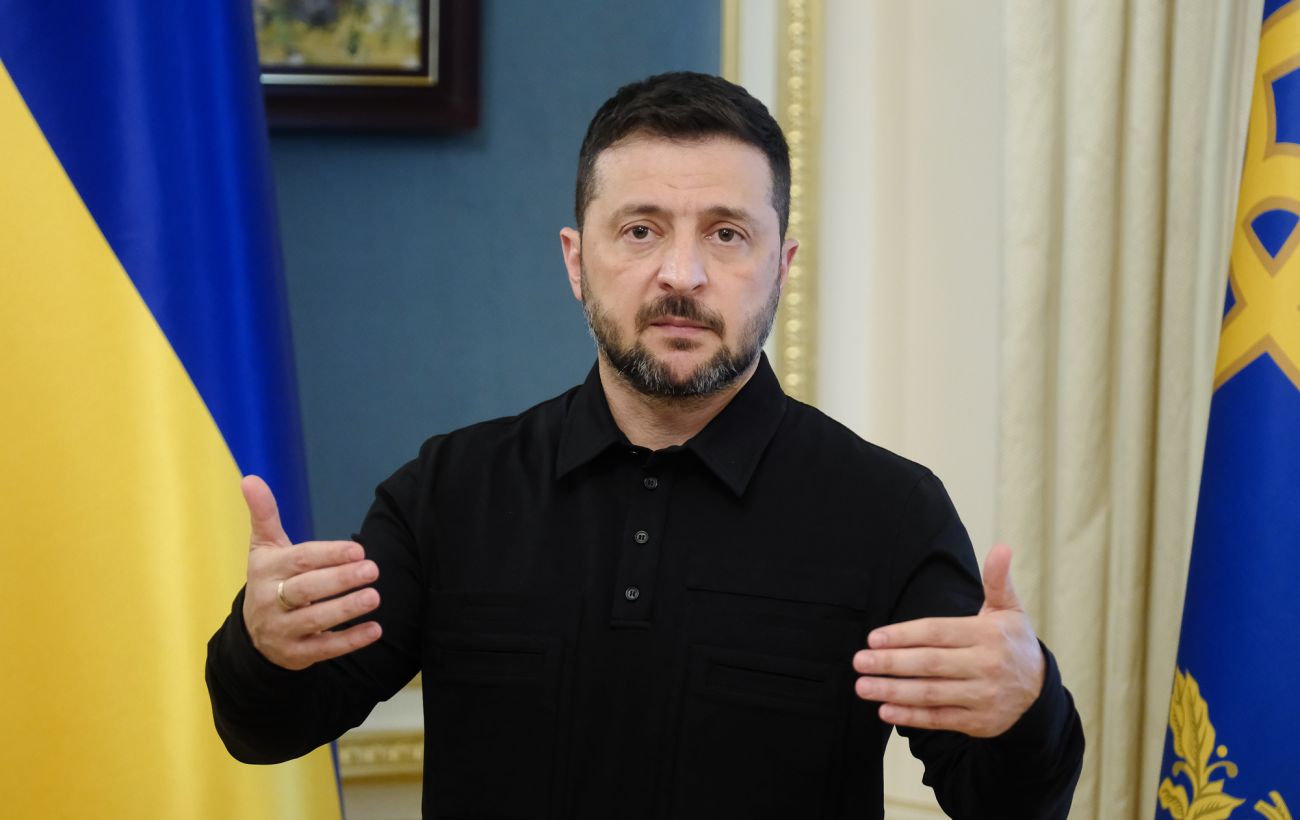
Ukrainian President Volodymyr Zelensky announced that he has secured a diesel supply agreement for Ukraine lasting at least one year during his recent visit to the Middle East. This development comes amid ongoing challenges related to fuel shortages in the country.
Zelensky stated that Ukraine set two primary objectives for the trip, both of which were successfully met. He emphasized the necessity of establishing reliable fuel sources, particularly diesel, given the current global energy challenges.
“I needed to negotiate, and now it is up to Naftogaz to ensure that in case of a deficit or significant global challenges, we can supply the country with diesel. I secured diesel for at least a year during my discussions yesterday,” Zelensky explained.
The president also highlighted that Ukraine’s fuel reserves were critically low. He attributed this situation to Russian attacks since the onset of the war and the long-term contracts held by Ukrainian companies, including the private sector and Ukrnafta, which limited the ability to replenish supplies.
“Our reserves are tied up in contracts. However, during times of challenge and deficit, these arrangements can either function effectively or slow down. Therefore, long-term agreements with energy-producing countries are essential, and this is what we are negotiating,” he added.
Furthermore, Zelensky reassured that the Ukrainian Armed Forces are currently receiving 100% of their fuel needs. “Our priority is the army; we have a clear understanding of our supply volumes. We are supplying approximately 700,000 tons of diesel and gasoline per month to the entire country, including the military. Annually, this amounts to about 7.2 to 7.4 million tons. We have a clear plan for ensuring these supplies,” he concluded.
President Zelensky has secured a one-year diesel supply agreement for Ukraine during his Middle East visit, addressing critical fuel shortages exacerbated by the ongoing conflict. He emphasized the importance of long-term energy agreements to stabilize fuel supplies amid global challenges.