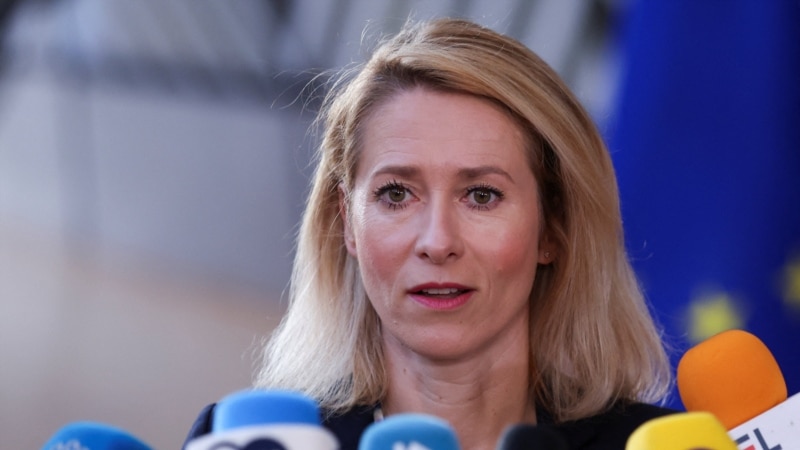
During a media briefing on March 26, European Union foreign affairs representative Kaja Kallas emphasized that the upcoming G7 meeting will address two critical issues: the ongoing wars in Ukraine and the Middle East. Kallas described the two conflicts as interconnected, urging for a comprehensive approach to both situations.
“We need to exit these wars rather than escalate them further, as the consequences for everyone globally are quite serious,” Kallas stated. She also stressed the importance of not losing sight of the situation in Ukraine, where Russian attacks on civilians and infrastructure are reportedly increasing daily.
Kallas pointed out that rising oil prices are enhancing Russia’s capacity to finance its military actions against Ukraine. She called for increased bilateral support for Ukraine and intensified pressure on Russia to cease hostilities and engage in meaningful negotiations.
Ukrainian Foreign Minister Andriy Sibiga previously announced the commencement of a specialized session titled “G7+Ukraine” in France, highlighting the collaborative efforts to address these pressing issues.
In a related context, a joint military operation by the United States and Israel against Iran began on February 28, resulting in the death of Supreme Leader Ayatollah Ali Khamenei and targeting military and nuclear facilities. In retaliation, Iran has launched strikes on American bases and allied infrastructure in the Gulf region.
Following the initiation of this operation, Iran has effectively blocked the Strait of Hormuz, a crucial passageway that connects the Persian Gulf to the global ocean, significantly impacting oil supply routes from Gulf nations to international markets.
The G7 meeting is set to address the intertwined conflicts in Ukraine and the Middle East, with EU officials stressing the need for de-escalation and increased support for Ukraine. The situation is further complicated by recent military actions involving the U.S. and Iran, impacting global oil supply chains.