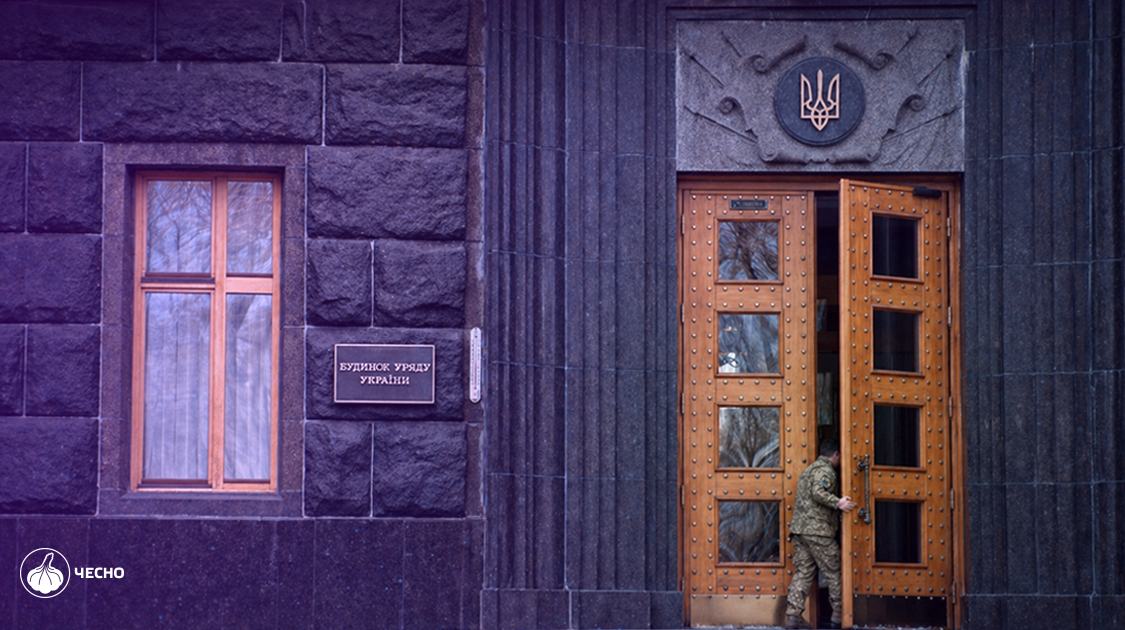
Despite a growing number of veterans in the public sector, their representation within central executive authorities in Ukraine remains limited to approximately 5%. This statistic highlights the ongoing challenges veterans face in securing positions in government roles.
According to a study conducted by the civic movement “Chesno,” the 5% of public servants who are veterans include combat participants and individuals with disabilities resulting from the war. Notably, one-third of these veterans hold leadership positions at various levels.
The research indicates that among 8,320 civil servants across 14 ministries, only 379 are veterans. Of these, 322 are classified as combat participants, while 59 have disabilities due to the conflict. Some veterans hold dual statuses.
The highest concentrations of veterans are found in the Ministries of Defense, Internal Affairs, Veterans Affairs, Foreign Affairs, and Economic Development, as well as Environmental Protection and Agriculture. Conversely, ministries such as Youth and Sports, Justice, Digital Transformation, and Energy report no veterans with war-related disabilities.
As of July 2025, prior to the reorganization of the ministries, the proportion of veterans in these roles was recorded at just 4%. This increase may be attributed to a rise in the number of veterans transitioning back to civilian life and their subsequent reintegration. For example, in the Ministry of Veterans Affairs, the number of veterans employed rose by two in six months, while the Ministry of Internal Affairs saw an increase of 26. The Ministry of Culture, which previously had no veterans, now employs two combat participants. However, some ministries have seen a decrease in veteran numbers; the Ministry of Finance has reduced its veteran staff from eight to seven, and the Ministry of Education and Science has seen a decline from nine to seven.
Public sentiment appears to support greater involvement of veterans in political life, with 66% of Ukrainians expressing a positive view towards their participation in state and public service. Veterans themselves are seeking opportunities for development and realization rather than mere benefits.
In light of these findings, “Chesno” advocates for a systematic approach to integrating veterans into governance. This includes assessing the actual staffing needs, evaluating the professional competencies of veterans, and developing a comprehensive state policy for their engagement, adaptation, and career advancement within the public sector.
The representation of veterans in Ukraine's civil service is limited, with only 5% currently employed in central executive authorities. While public support for their involvement in governance is high, systemic changes are needed to improve their integration and career development.