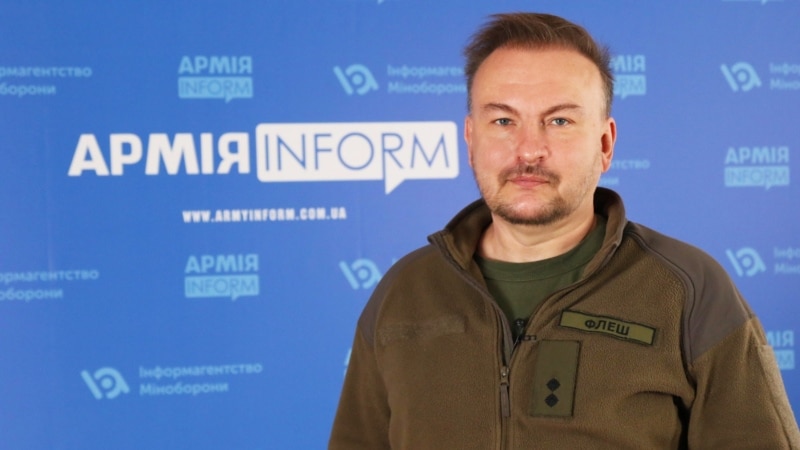
Serhiy Beskrestnov, an advisor to the Ukrainian Minister of Defense, reported a near-fatal incident involving a Russian drone strike on April 20. The drone, identified as a Shahed, crashed into the wall of his residence, destroying the building. Beskrestnov sustained injuries but confirmed his survival through a social media post, emphasizing his readiness for such threats.
On the morning of the same day, Mykola Kalashnyk, head of the Kyiv Regional State Administration, announced that a man born in 1974 had been hospitalized following the strike in the Brovary district. This incident is part of a broader pattern of attacks by Russian forces targeting Ukrainian cities and civilian infrastructure using various weaponry, including drones, missiles, and artillery.
Ukrainian authorities and international organizations classify these assaults as war crimes committed by the Russian Federation, asserting that they are deliberate in nature. The attacks on essential services and healthcare facilities aim to deprive civilians of critical resources such as electricity, heating, water supply, and medical assistance.
Legal experts and human rights advocates have raised concerns that these actions may constitute genocidal behavior. They cite several indicators, including public declarations by Russian officials questioning the existence of Ukrainians as an ethnic group and calls for their destruction. Other signs include targeted assaults on vital services, persecution of pro-Ukrainian individuals in occupied territories, and the systematic erasure of Ukrainian cultural identity.
The 1948 United Nations Convention on the Prevention and Punishment of the Crime of Genocide obligates member states to prevent and punish acts of genocide both during wartime and in peacetime. The Convention defines genocide as actions intended to destroy, in whole or in part, a national, ethnic, racial, or religious group.
Indicators of genocide include the killing or causing serious bodily harm to group members, deliberately inflicting conditions designed to destroy a group, preventing births, and forcibly transferring children from one group to another. Despite these allegations, Russian leadership denies that its military is intentionally targeting civilian infrastructure or causing harm to non-combatants, maintaining that its operations are justified within the context of the ongoing conflict.
The recent drone attack on Ukrainian official Serhiy Beskrestnov highlights the ongoing violence in Ukraine, with authorities claiming these actions may constitute war crimes and potentially genocide. The international community continues to scrutinize Russia's military tactics amid widespread destruction of civilian infrastructure.