The United States military is formulating new operational plans aimed at countering Iran’s military capabilities in the Strait of Hormuz, particularly in the event that the current ceasefire with Iran collapses. These strategies focus on precise targeting of Iranian forces and assets in the region, including the southern Arabian Gulf and the Gulf of Oman.
According to sources familiar with the situation, the plans emphasize dynamic targeting of fast-attack boats, mine-laying vessels, and other asymmetric tools that Iran has employed to disrupt crucial maritime routes. This marks a strategic shift from previous military operations, which primarily focused on deep strikes within Iranian territory.
The new approach aims for concentrated strikes around strategic maritime pathways rather than broader targets. Military planners are also considering strikes against dual-use facilities and infrastructure, as well as specific Iranian military leaders believed to be undermining diplomatic negotiations. Among those targeted is Ahmad Vahidi, the commander of the Islamic Revolutionary Guard Corps (IRGC).
However, experts caution that military strikes in the Strait itself may not immediately restore shipping traffic through this vital waterway. A leading maritime broker commented, “If you cannot unequivocally demonstrate that 100% of Iran’s military potential has been neutralized, or if there is not near-total confidence that the U.S. can mitigate risks independently, it will come down to how far [the administration] is willing to go to risk resuming shipping through the Strait.”
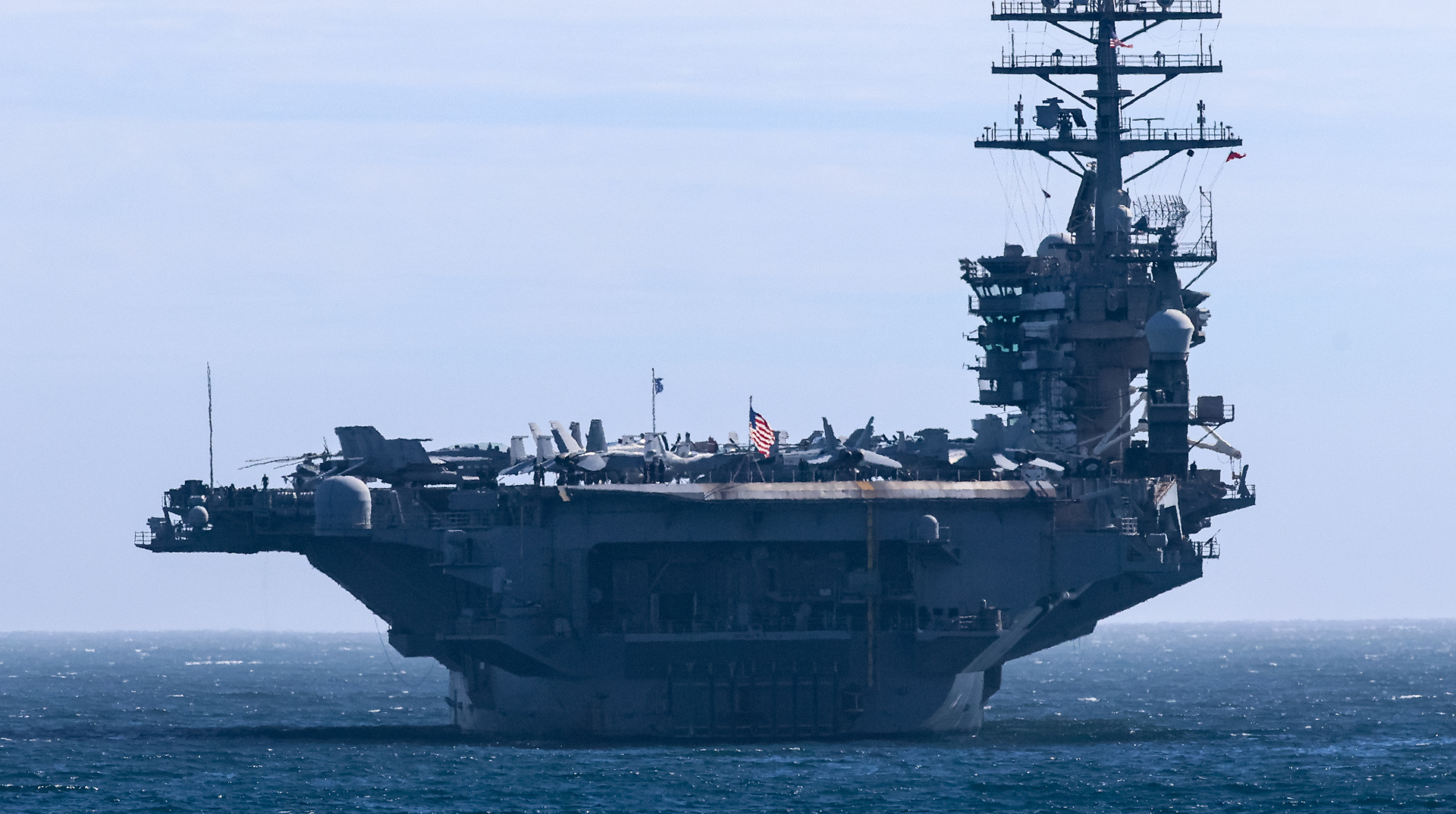
Currently, the U.S. Navy has 19 ships deployed in the Middle East, including two aircraft carriers and seven vessels in the Indian Ocean. This military presence is part of a broader strategy to monitor and respond to potential threats in the region.
Contextualizing these developments, it has been reported that a significant percentage of Iran’s coastal defense missiles remain intact. Additionally, Iran possesses numerous small boats that could serve as platforms for attacks on vessels, complicating U.S. efforts to clear the Strait of Hormuz.
Last week, U.S. Secretary of Defense Pete Hegseth acknowledged during a press briefing that Iran had repositioned some of its surviving military equipment during the ceasefire period and threatened to strike these targets if Iran fails to reach an agreement.
Since April 13, U.S. military forces have been enforcing a blockade on Iranian ports, having redirected at least 33 vessels as of April 23. They have also boarded at least three ships, including two in the Indian Ocean, approximately 3,200 kilometers from the Persian Gulf.
The U.S. military is developing new strategies to target Iranian military assets in the Strait of Hormuz, focusing on precise strikes rather than broader operations. This shift reflects ongoing concerns about Iran's capabilities and the potential collapse of the current ceasefire.