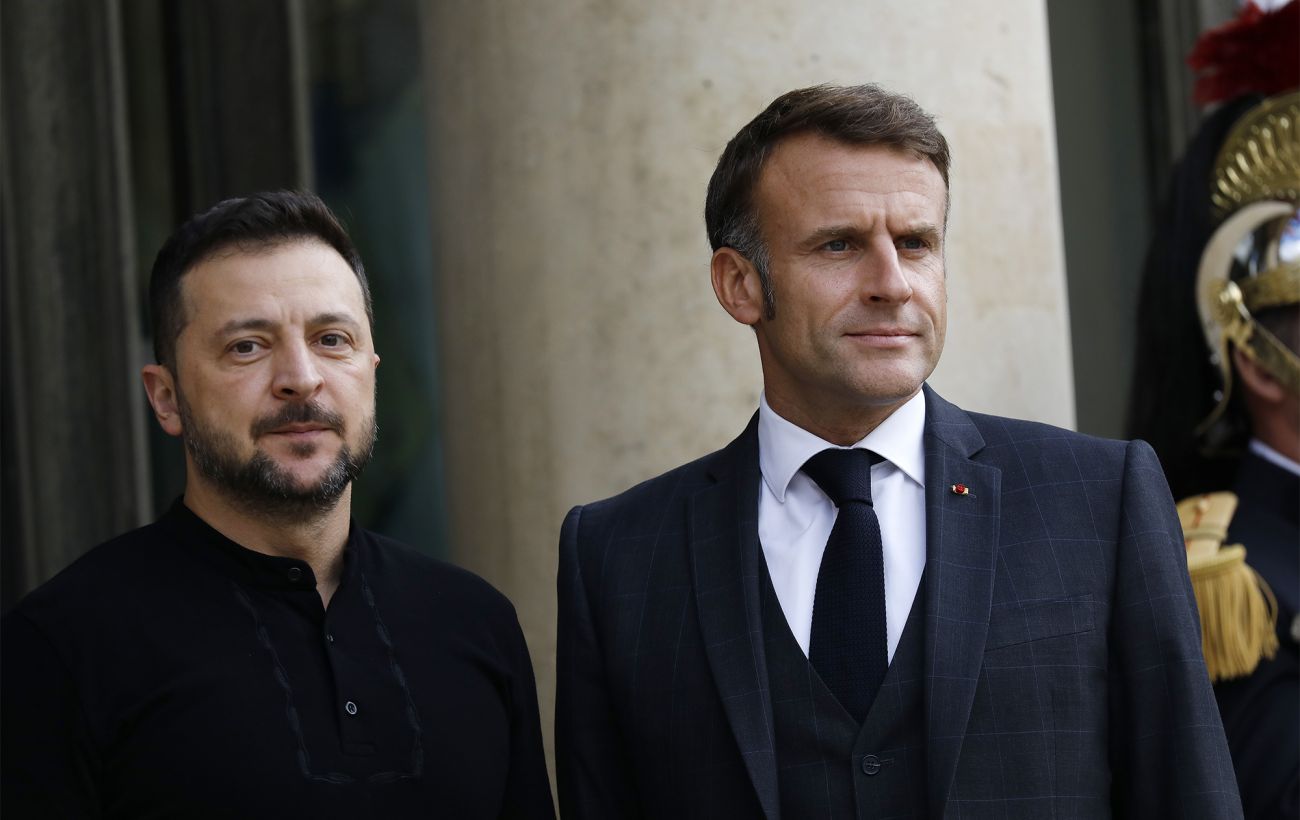
The European Union (EU) is grappling with how to effectively integrate Ukraine, which was granted candidate status in June 2022. While the standard accession process could take a decade or more, proposals for alternative membership models are stirring debate among EU member states.
Challenges of Standard Accession
Ukraine’s journey toward EU membership is complicated by the lengthy requirements set by the European Commission, which estimates that full compliance with membership criteria could take between 10 to 15 years. This timeline does not align with the urgent geopolitical context, especially given Ukraine’s ongoing conflict with Russia.
Additionally, the situation in Hungary, where democratic backsliding under Prime Minister Viktor Orbán has raised concerns among EU capitals, has made member states more cautious about accepting new entrants.
The Failed Concept of ‘Reverse Enlargement’
In a recent diplomatic effort, U.S. and Ukrainian negotiators included a proposal for EU membership by 2027 in peace talks. This sparked alarm within the European Commission, leading to the hurried development of a ‘reverse enlargement’ concept. This idea suggested that Ukraine could formally join the EU with limited rights, which would expand as the country undertook necessary reforms.
However, the proposal faced significant backlash. Many EU capitals learned about it through media reports rather than official communications, leading to accusations that the approach discriminated against other candidate countries.
Proposals from Paris and Berlin
France and Germany, acting independently, have put forth the idea of ‘associated membership’ for Ukraine. This arrangement would allow Ukraine to participate in the EU Council of Ministers and the European Parliament without voting rights, while gradually integrating into the EU single market and other programs. However, it would not provide early access to agricultural and regional subsidies.
Proponents argue that this model offers Ukraine a tangible pathway to EU membership and helps prepare public opinion within the EU. Critics, however, warn that it could be perceived as a permanent ‘waiting room’ status for Ukraine, relegating it to a second-tier position within Europe.
Security Considerations
In addition to membership discussions, France and Germany are advocating for Ukraine’s inclusion in the EU’s mutual defense clause. Other potential options include enhanced defense industrial cooperation, long-term financial support for Ukraine’s military, and membership in a new European security council alongside the United Kingdom and other allies.
EU officials are optimistic that the opening of accession negotiations this summer, coupled with a clear roadmap and a proposed €90 billion financial package, will meet Ukrainian President Volodymyr Zelensky’s expectations. Nonetheless, significant work remains to be done to align Ukraine with EU standards and expectations.
The EU is exploring various options for integrating Ukraine, including a proposed 'associated membership' that would provide limited rights. While this could pave the way for future membership, concerns about its implications for Ukraine's status persist.