Following a challenging winter, Ukraine’s economy is rebounding more quickly than anticipated, prompting the government to reassess its support systems for businesses and citizens. Major privatization efforts are underway as officials strive to balance mobilization, labor market dynamics, and budget stability.
The government has extended the “National Cashback” program for an additional two years due to increased consumer interest in Ukrainian products. According to recent studies, over 40% of users have started purchasing more domestically produced goods, leading to a sales rise of 7-9% in retail networks.
Changes to the cashback mechanism have been implemented, increasing the rebate for goods with a high import share to 15%, while reducing it to 5% for items predominantly made by Ukrainian manufacturers. This adjustment is expected to support local producers while saving the government approximately 100 million hryvnias monthly.
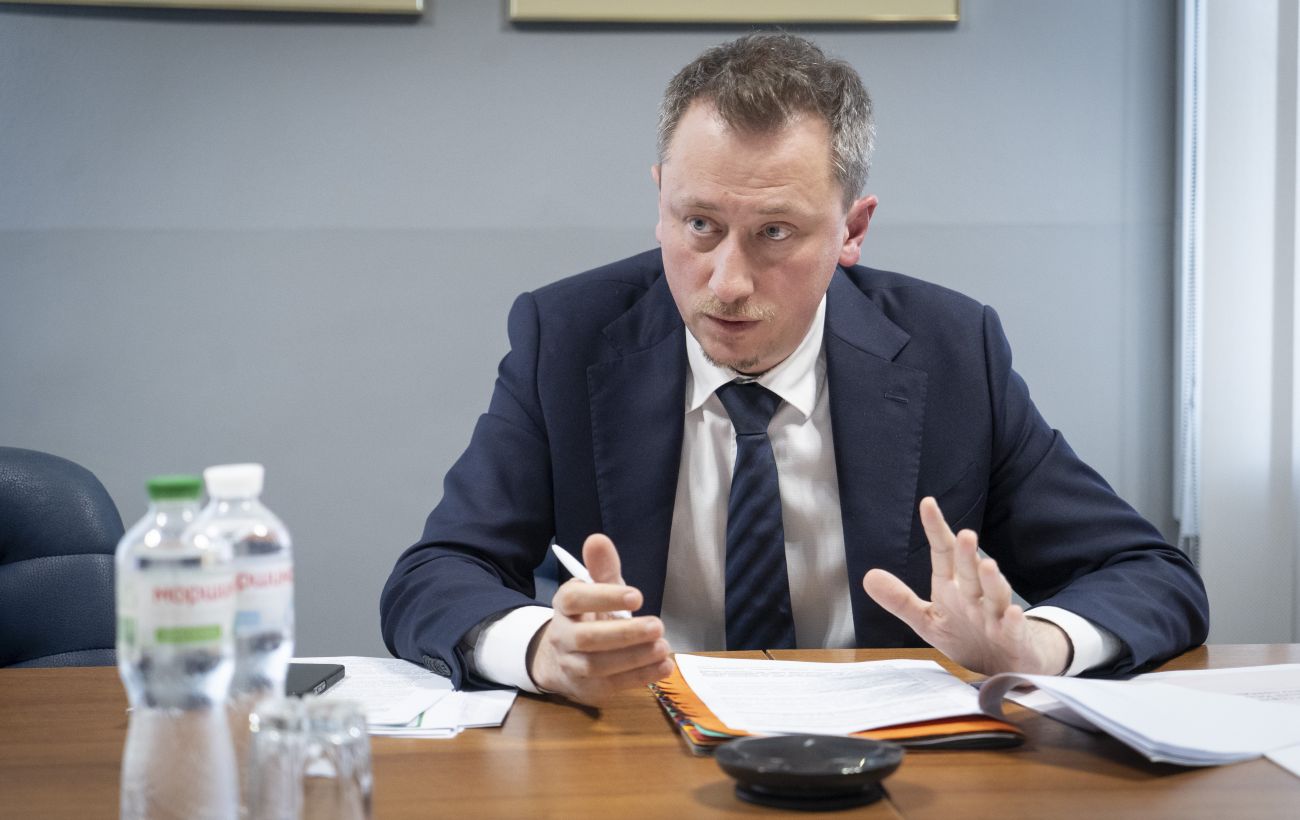
Additionally, Minister Sobolev highlighted that 70% of the funds received through this program are spent on utility bills, illustrating its dual economic and social benefits.
In response to rising fuel prices, the government also introduced a fuel cashback program, which has benefited over two million Ukrainians, primarily owners of older or budget vehicles. Sobolev described this initiative as “targeted,” ensuring assistance goes to those who genuinely need it. However, he clarified that there are no plans for extensive compensation for businesses facing increased fuel costs, with the government focusing on preventing fuel shortages.
Despite a downturn in January and February due to Russian attacks on energy infrastructure, the economy began to recover in March, with industrial output increasing by 4.5% and manufacturing by 6.2%. Sobolev noted that the government does not foresee a significant impact from fuel price hikes linked to the Middle East conflict, asserting that the adverse effects on agriculture and the broader economy remain manageable.
The government anticipates this year’s harvest will match last year’s output of around 80 million tons, countering earlier pessimistic forecasts. Sobolev mentioned that current weather conditions and soil moisture levels appear more favorable than last year, and rising costs for fuel and fertilizers are not expected to critically affect production costs.
On the topic of currency restrictions, Sobolev acknowledged ongoing pressure from businesses regarding the challenges of repatriating dividends and loans. He emphasized that the National Bank must act cautiously due to deteriorating balance of payments, inflationary pressures, and IMF requirements. The government has already approved some easing measures, including extending the repatriation period for certain goods from 180 to 270 days.
Support for taxing international parcels was voiced by Sobolev, who argued that the current system creates unequal conditions for Ukrainian producers, as major Chinese platforms often evade part of the tax burden. He also recognized strong resistance from businesses regarding the introduction of VAT for individual entrepreneurs, stating that the government is negotiating with the IMF to postpone these changes.
One of the significant threats to Ukrainian exports is the European Union’s Carbon Border Adjustment Mechanism (CBAM). Ukrainian officials estimate that new regulations could lead to export losses of up to $1.4 billion this year. Sobolev indicated that Ukraine is seeking a delay in implementing this mechanism due to the ongoing war, noting that the European Commission has acknowledged the severity of the issue for Ukraine’s economy.
In line with these developments, the government is preparing legislation for emissions trading to allow future carbon taxes to be accounted for within the European system.
Plans for large-scale privatization are set to accelerate this summer, with the government intending to auction off significant assets such as the Odesa Port Plant, Ocean Plaza, Demurynsky Mining and Processing Plant, and Mykolaiv Alumina Plant. The government expects to raise approximately 10 billion hryvnias from large privatization efforts and at least 3 billion from smaller sales.
Additionally, Sobolev announced the launch of a Ukrainian-American investment fund, which has already received 280 applications and made its first investment in communication components for drones. New projects are in the pipeline across logistics, energy, and critical materials sectors.
Looking ahead, the government will need to revise its macroeconomic forecasts due to winter attacks and early-year economic slowdowns. Sobolev stressed that energy sector development remains crucial for economic growth, with efforts underway to streamline procedures for new generation construction and expedite the recovery of capacities post-attacks. He also stated that Ukraine requires “any generation,” including new nuclear energy sources.
As for the labor market, Sobolev reported that 1.37 million workers are currently reserved, with critical enterprises contributing about 60% of total tax revenues. He emphasized that the government does not plan to dismantle the reservation system but will regularly review the lists of enterprises. The minister identified a labor shortage as a significant economic challenge, estimating that Ukraine needs an additional 4.5 million workers over the next decade. The government prioritizes the return of Ukrainians from abroad and aims to engage youth, older individuals, and those currently outside the formal workforce.
“We need Ukrainians in Ukraine,” Sobolev concluded.
Ukraine's economy is recovering faster than expected, with government programs supporting domestic production and addressing fuel price challenges. The upcoming privatization initiatives and investment fund aim to bolster economic stability amid ongoing pressures.