The United States has begun postponing arms deliveries to its European allies, citing significant depletion of its military stockpiles due to ongoing conflict with Iran. This decision affects previously signed and paid contracts with several strategically important nations.
Concerns are particularly pronounced in the Baltic region and Scandinavia, where countries share borders with Russia. The delays in arms supplies pose serious security risks for these nations, which also need to share resources with Ukraine, further complicating the situation.
The arms in question were procured through the Foreign Military Sales (FMS) program, where the U.S. government acts as an intermediary. However, even with government guarantees, the current shortages are proving problematic, and U.S. officials have already informed their allies about the delays.
The depletion of U.S. military supplies has been a gradual process:
- Since 2022, assistance to Ukraine in countering Russian aggression has reduced stock levels.
- Support for Israel in Gaza has contributed to shortages since late 2023.
- Direct confrontations with Tehran have intensified the issue since early 2026.
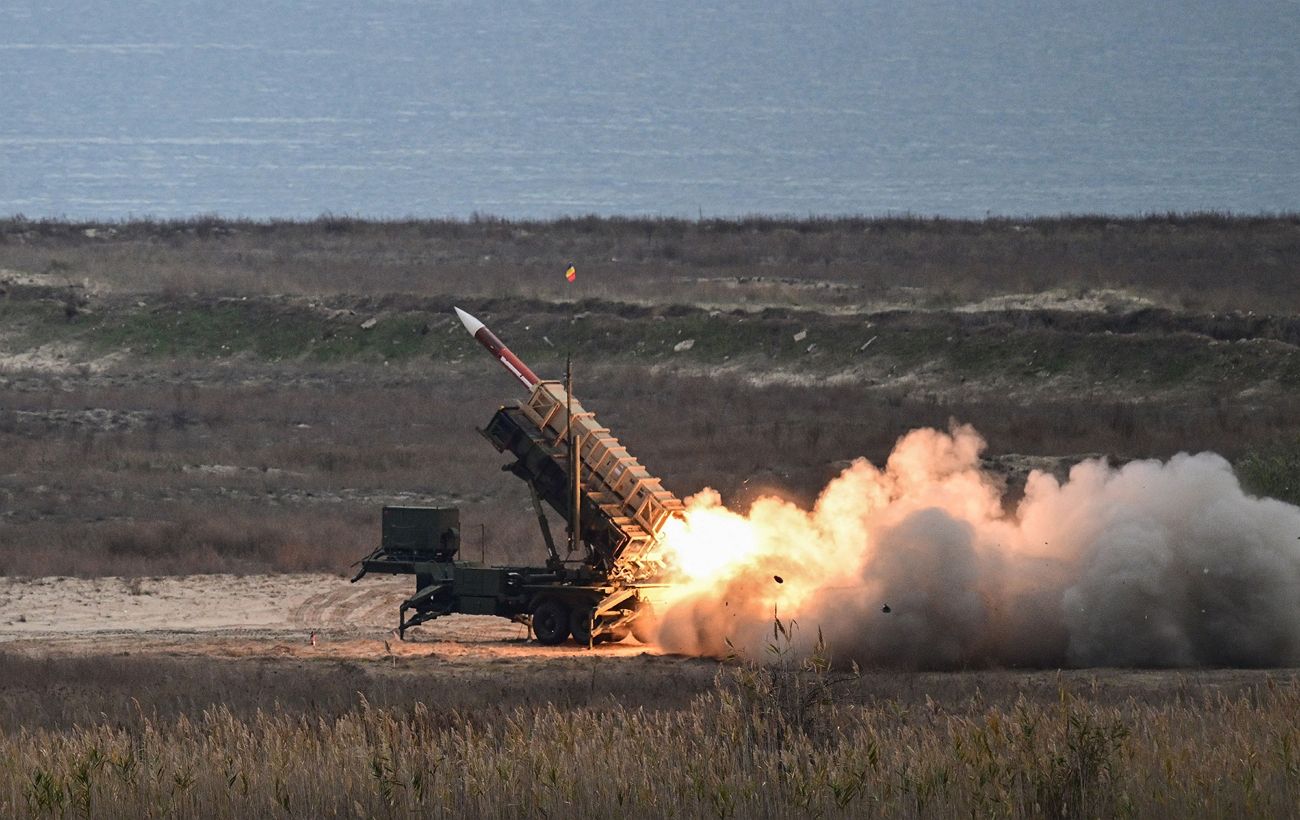
Particular shortages are evident in air defense systems. The Iranian military has launched hundreds of missiles and drones targeting Gulf nations, prompting the U.S. to deploy PAC-3 Patriot missiles extensively. These interceptors are crucial for Ukraine’s defense against Russian ballistic threats and are also necessary for European nations to deter Russian aggression.
Diplomatic tensions are rising in European capitals, where officials express frustration over the delays, which they say place them in difficult positions. Some are advocating for a shift towards exclusively European-made weapons.
For years, the U.S. has encouraged NATO partners to purchase American arms, but now Washington is struggling to meet its own commitments. In response, White House officials have pointed fingers at Europe, accusing them of inaction and asserting that arms are needed in the Middle East due to a lack of European support for U.S. and Israeli efforts to secure the Strait of Hormuz.
The U.S. has started delaying arms shipments to European allies due to significant military supply shortages exacerbated by ongoing conflicts. This situation raises security concerns, particularly in regions bordering Russia, as European nations grapple with the implications of reduced military support.