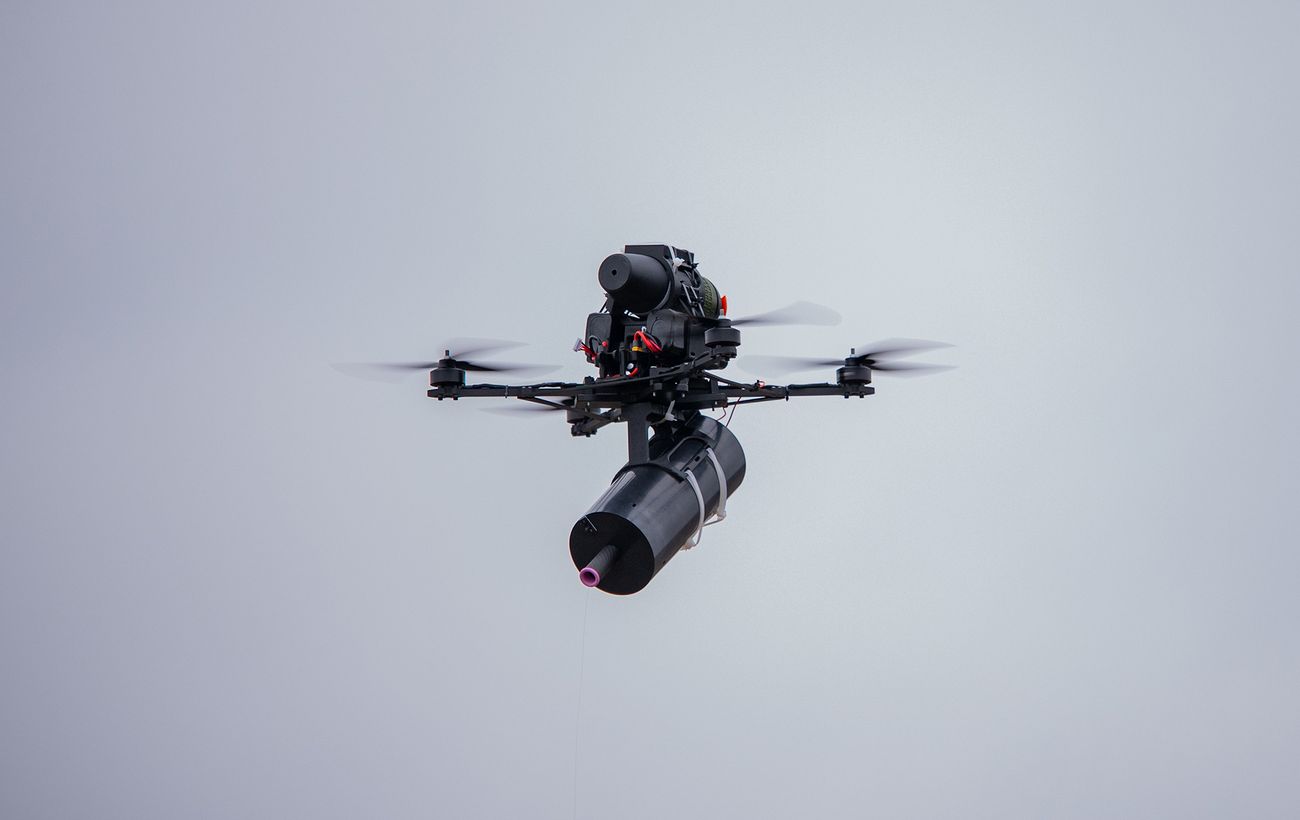
Russia has announced plans to produce over 7 million FPV drones in 2026, marking an increase of 3 million units compared to the previous year. This development raises concerns regarding the evolving landscape of drone warfare.
The Ukrainian General Staff has outlined a three-pronged response to this escalation, which includes:
- extensive battlefield automation;
- the integration of advanced technologies;
- strengthening partnerships with allies.
In a statement, the General Staff expressed gratitude to Germany and Sweden for their role in establishing an Electronic Warfare Coalition. The statement emphasized ongoing adaptations in Ukraine’s defense strategy, including the replacement of personnel with unmanned ground systems, with production volumes reaching tens of thousands of units annually.
Currently, Ukrainian defense forces maintain an advantage in the deployment of strike drones, with a frontline ratio of 1.3 to 1 in favor of the Ukrainian Armed Forces.
Furthermore, Ukrainian Commander-in-Chief Oleksandr Syrskyi recently indicated that Russia aims to expand its drone forces to 101,000 personnel. This move is intended to influence combat operations, particularly in southern regions where Russian forces are reportedly losing initiative and territory.
Russia's plan to increase FPV drone production raises concerns about the future of drone warfare. In response, Ukraine is focusing on automation, advanced technology, and strengthening partnerships with allies.