The European Council has officially approved the establishment of a special tribunal to address Russia’s aggression against Ukraine. This decision, made during a meeting in Chișinău on May 15, 2026, marks a significant step in international accountability, with support from 37 member states.
The agreement allows for the activation of all mechanisms related to the tribunal, which is expected to commence operations by 2027. Iryna Mudra, Deputy Head of the Office of the President of Ukraine, highlighted the historical significance of this development, noting that it is the first dedicated mechanism for war accountability since the Nuremberg and Tokyo trials.
Tom Berendsen, the Dutch Minister of Foreign Affairs, confirmed that the initial phase of the tribunal’s work will take place in The Hague, further solidifying the Netherlands’ role in this international effort.
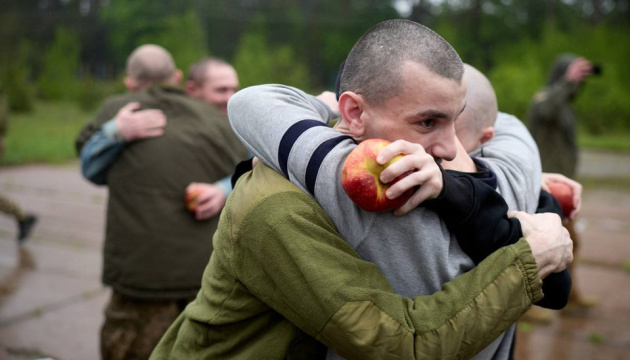
In a related development, Ukraine successfully repatriated 205 military personnel from Russian captivity as part of an exchange agreement. President Volodymyr Zelensky reported that most of the returning soldiers had been held for four years, including defenders of Mariupol and various members of Ukraine’s security and defense forces.
The United Arab Emirates facilitated this exchange, marking the 23rd such operation between Russia and Ukraine, with both sides releasing an equal number of prisoners.
In other news, the situation in the Middle East is evolving, with the UAE accelerating the construction of a new oil pipeline aimed at doubling its export capacity by 2027, thereby enhancing its ability to bypass the Strait of Hormuz.
In the United States, President Donald Trump concluded a three-day state visit to China, where he announced significant trade agreements and discussed the ongoing Russian-Ukrainian conflict with Chinese leader Xi Jinping. Trump indicated potential easing of sanctions on Chinese companies purchasing Iranian oil and confirmed discussions on arms sales to Taiwan.
Andriy Sibiga, Ukraine’s Foreign Minister, remarked that the approval of the special tribunal agreement represents a “point of no return,” suggesting that Russian leadership, including President Vladimir Putin, may face international legal consequences.
On the battlefield, the situation remains tense. The Ukrainian General Staff reported that the Pokrovsk direction has seen the most intense fighting, with 80 attacks recorded since the start of the day. Ukrainian drone forces successfully targeted several Russian military assets, including aircraft and missile systems.
Recent military actions have also resulted in significant casualties. A Russian strike on a residential building in Kyiv on May 14 led to the deaths of 21 adults and three children, with 48 others injured. In Zaporizhzhia, a strike on industrial infrastructure resulted in one death and three injuries.
In response to ongoing threats, President Zelensky announced that Ukrainian intelligence has obtained documents indicating Russia’s plans for further strikes on key decision-making centers within Ukraine.
The Ukrainian government continues to implement various strategies to bolster its defense and economic stability, including an anti-corruption strategy aimed at 2030 and measures to support families of missing and captured military personnel.
As the conflict persists, Ukraine’s military capabilities are evolving, with officials indicating a shift from being a recipient of Western military aid to becoming a provider of drone technology and expertise to allies.
The European Council's approval of a special tribunal for Russia marks a pivotal moment in international accountability for aggression against Ukraine. Concurrently, Ukraine has successfully repatriated 205 soldiers from Russian captivity, reflecting ongoing efforts to address the humanitarian impact of the conflict.
