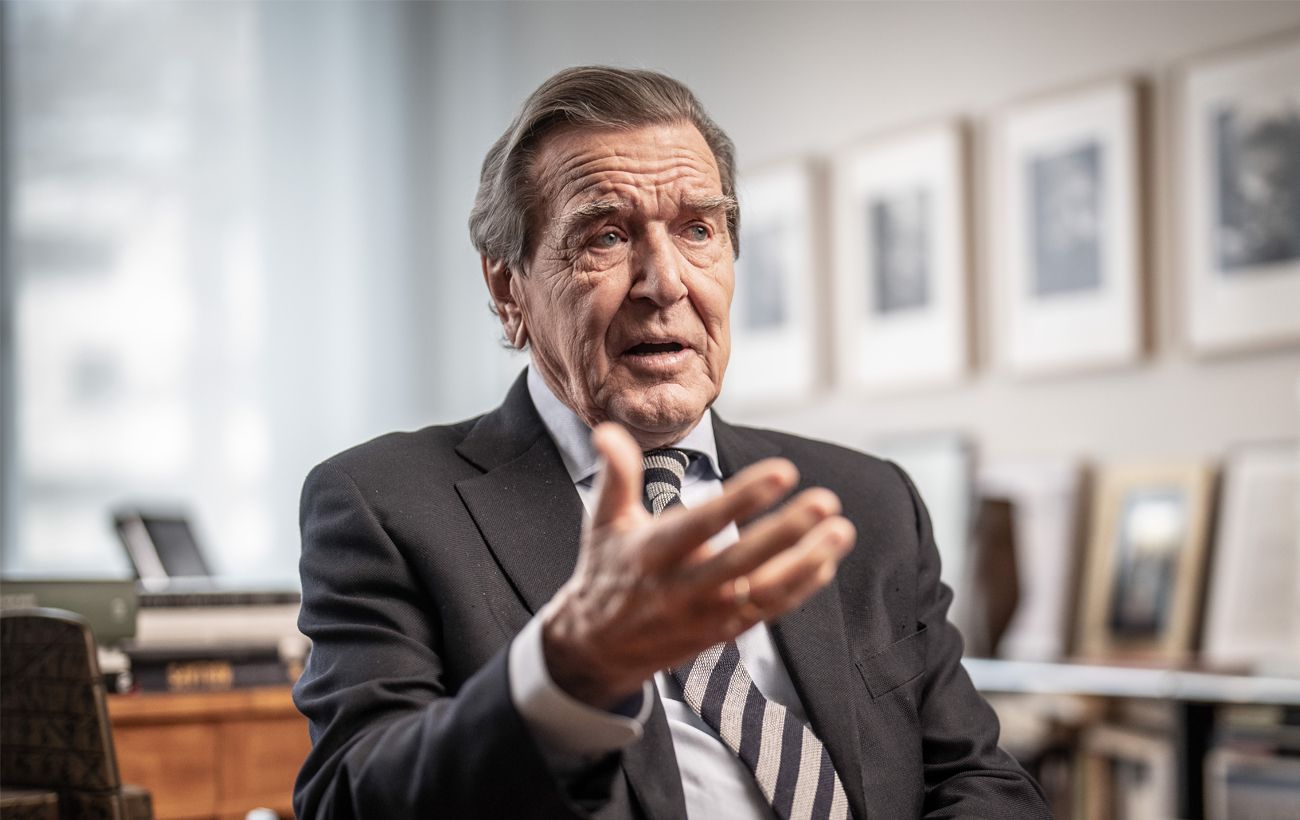
The European Union is gearing up to engage in peace negotiations with Russia regarding the situation in Ukraine, as American initiatives appear to have reached an impasse. The Kremlin has expressed a preference for former German Chancellor Gerhard Schröder to act as a mediator, a suggestion met with strong opposition from both Kyiv and Brussels.
Key Points:
- EU Stance: Europe aims to participate in peace talks with Russia not as a neutral mediator but as a supporter of Ukraine.
- Schröder’s Candidacy: Putin has proposed Schröder as a negotiator, but both Kyiv and Brussels have rejected this due to his long-standing ties to Russia.
- Potential Alternative: Current German President Frank-Walter Steinmeier could serve as a negotiator, contingent upon consensus among EU leaders.
European Council President António Costa stated last week that the EU possesses the “potential” to negotiate with Russian President Vladimir Putin, noting that Ukrainian President Volodymyr Zelensky had encouraged EU leaders to be prepared to contribute positively to discussions.
“I am speaking with 27 national leaders to determine the best way to organize and identify what we need to effectively discuss with Russia when the time is right,” Costa remarked.
In response, Kremlin spokesperson Dmitry Peskov indicated that Moscow is “open to dialogue” with Europe but will not initiate it. Putin later reiterated his preference for Schröder, stating, “For me personally, the former Chancellor of Germany Mr. Schröder is the best option,” while also expressing willingness to engage with any politician who has not spoken negatively about Russia.
Background on Gerhard Schröder
Schröder, who served as Chancellor of Germany from 1998 to 2005, has become one of the most influential lobbyists for Putin’s regime and the Russian energy sector following his political career. His rise within the Social Democratic Party of Germany saw a shift from radical leftist views to more moderate positions aligned with big business.
His tenure as Chancellor was marked by controversial economic reforms that faced significant public backlash, ultimately leading to his party’s narrow defeat in the 2005 elections. After leaving office, he took on high-paying roles with Russian companies, including overseeing the construction of the Nord Stream gas pipeline.
Schröder has consistently promoted Russian narratives regarding Ukraine, asserting that Crimea will permanently remain part of Russia and advocating for the lifting of sanctions against Moscow. His pro-Kremlin stance led to punitive measures from the German parliament, which stripped him of certain state privileges.
Both Ukraine and the EU have firmly rejected Schröder’s candidacy as a negotiator. Ukrainian Foreign Minister Andrii Sybiha stated, “We do not support such a candidate,” emphasizing that there are many other “worthy leaders” in Europe who could fulfill this role. EU foreign policy chief Kaia Kallas echoed this sentiment, arguing that Schröder would be negotiating on both sides of the table.
Political analyst Volodymyr Fesenko suggested that Putin’s proposal of Schröder could be seen as an attempt to impose his own terms on the negotiations, indicating that the Kremlin might not be genuinely interested in dialogue.
Fesenko noted that Europe does not seek to replace the US in peace efforts but wishes to participate as a direct party in negotiations rather than as a mediator, contrasting with the US’s previous role under the Trump administration.
Despite ongoing discussions, two main factors hinder the EU’s participation in negotiations: a lack of consensus on representation and the challenge of persuading both Russia and the US to include Europe in talks.
Currently, discussions are underway regarding who might represent Europe in negotiations. Steinmeier’s name has emerged as a potential candidate, with German media reporting that his involvement is being considered within the ruling coalition.
Steinmeier has previously engaged in negotiations between Ukraine and Russia, proposing a plan for the implementation of the Minsk agreements. His recent visit to Ukraine in 2022, during which he experienced the war firsthand, has significantly altered his rhetoric regarding Russia’s aggression.
While the Kremlin has noted that Europe has yet to officially respond to Schröder’s candidacy, it is clear that the proposal has sparked significant debate among European leaders.
The EU is preparing for potential peace talks with Russia, emphasizing its role as a supporter of Ukraine. The Kremlin's suggestion of Gerhard Schröder as a mediator has faced widespread rejection from both Ukraine and EU leaders, prompting discussions about alternative candidates.