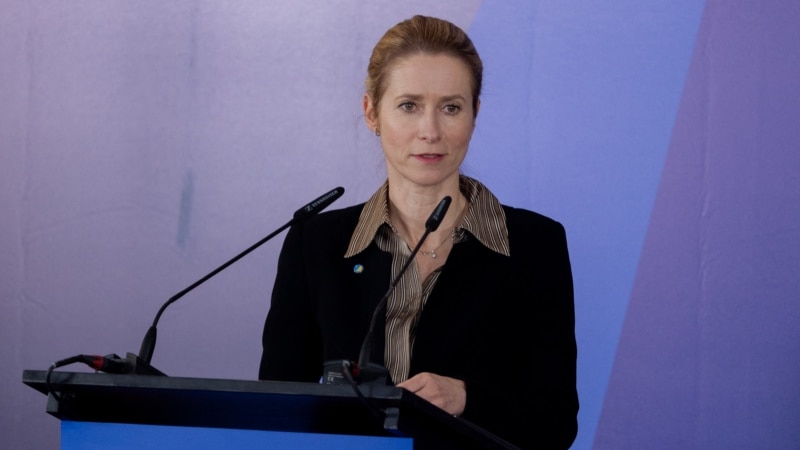
On April 30, Kaja Kallas, the European Union’s high representative for foreign affairs, expressed skepticism regarding Russia’s willingness to engage in negotiations. Speaking to reporters, she reflected on comments made by Estonian President Alar Karis.
Kallas noted that a proper assessment of actions taken during the conflict can only occur after the war concludes. She recalled that in 2021, Russia had issued demands for NATO to revert to its 1997 borders.
“To suggest that there was a missed opportunity for negotiations falls into Russian traps. It implies that Russia always seeks the maximum, asking for things that were never theirs, followed by threats and ultimatums. There will always be those in the West willing to make concessions,” Kallas stated.
The EU diplomat also addressed concerns about the lack of dialogue between Europe and Russia, warning that other nations might engage with Moscow under unfavorable conditions for Brussels or the Baltic states.
Kallas emphasized, “Currently, we see that Russia is unwilling to participate in any dialogue. We should not demean ourselves by pleading for talks. Instead, we must position them to move from pretending to negotiate to actual discussions.”
During a recent meeting in Cyprus, EU foreign ministers discussed their expectations regarding Russia, aiming to ensure that post-war, Russia does not pose a threat to any European countries.
“Before we engage in discussions, we need to agree on what we want to talk about,” she added.
Recently, President Karis commented to Yle, suggesting that Europe made a “mistake” in 2022 by not compelling Russia to negotiate immediately after the Battle of Kyiv. He urged the EU to develop its own strategies concerning Russia.
Kaja Kallas, the EU's foreign affairs representative, doubts Russia's interest in negotiations, emphasizing the need for Europe to prepare its demands. Recent comments from Estonian President Alar Karis highlight concerns over missed opportunities for dialogue.