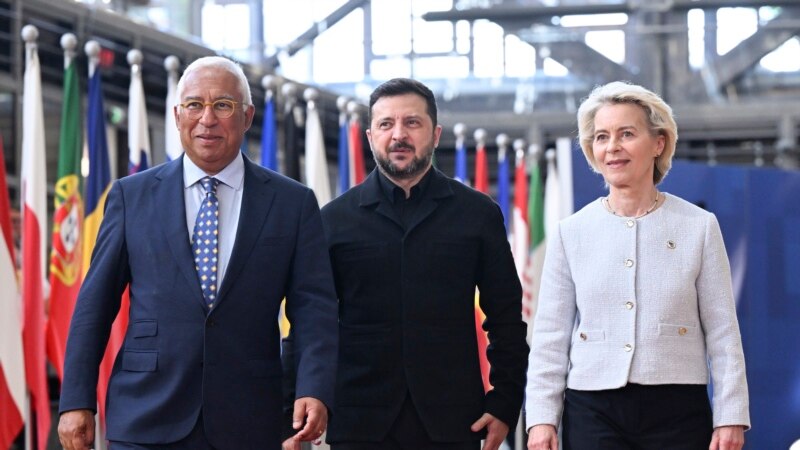
During a recent summit in Brussels, leaders of the European Union member states were unable to agree on who should represent the EU in any future negotiations with Russia regarding the ongoing conflict in Ukraine. This lack of consensus highlights the complexities and divisions within the bloc concerning foreign policy and diplomatic strategy.
The discussions took place against the backdrop of a prolonged conflict that has drawn significant international attention and concern. As the war continues, the EU’s role in facilitating dialogue and seeking a resolution has become increasingly critical.
Several member states expressed differing opinions on the best approach to engage with Russia. Some leaders advocated for a unified EU front, while others suggested that individual nations should take the lead based on their bilateral relationships with Moscow. This divergence reflects broader geopolitical considerations, including national security interests and historical ties.
In addition to the representation issue, the summit also addressed the EU’s ongoing support for Ukraine, including military aid and economic assistance. Leaders reaffirmed their commitment to standing with Ukraine but faced questions about the effectiveness of their current strategies and the potential for future negotiations.
The failure to reach an agreement on representation may hinder the EU’s ability to present a cohesive stance in any potential peace talks. As the situation evolves, the need for a clear and unified approach will likely remain a topic of discussion among EU leaders.
The recent EU summit in Brussels revealed significant divisions among member states regarding representation in potential Russia-Ukraine peace negotiations. This disagreement underscores the complexities of the EU's foreign policy and its commitment to supporting Ukraine amidst ongoing conflict.