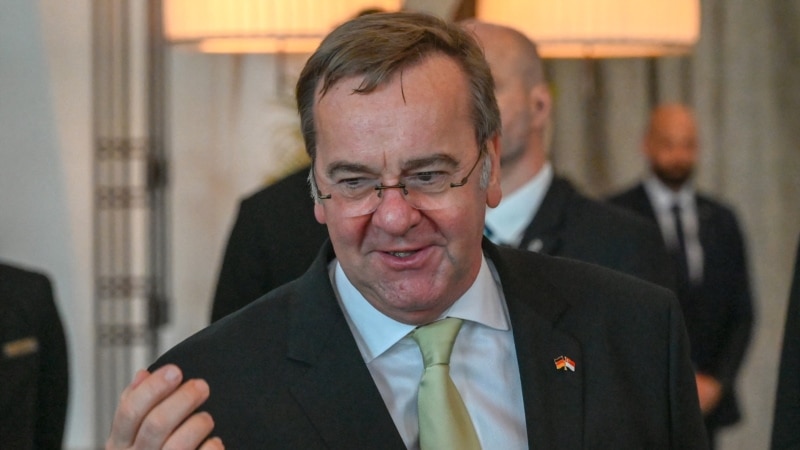
Germany’s Defense Minister Boris Pistorius stated that the initiative on the battlefield is currently in favor of Ukraine, as he addressed NATO defense ministers in Brussels on June 18. He noted that Ukrainian forces are successfully defending their territory and regaining some occupied areas.
Pistorius emphasized that despite ongoing attacks on Ukrainian civilians, Russian advances on the front lines have been slow, resulting in significant losses for Russian troops. He reiterated his previous assertion that the initiative now lies with Ukraine.
The minister highlighted the necessity of continued support for Ukraine, confirming Germany’s commitment to this effort. He announced two key decisions: firstly, Germany will participate for the fourth time in the PURL initiative, which facilitates the purchase of American weapons funded by Ukraine’s partners. This will primarily involve essential munitions for air defense systems, which he described as critical for saving lives daily. Germany’s contribution to this effort will amount to $200 million.
Secondly, Pistorius mentioned that Ukraine’s Defense Minister Oleksii Reznikov requested support for the Jumpstart program, aimed at procuring specialized guided missiles for Patriot systems. Germany has agreed to allocate another $200 million for the purchase of PAC-3 missiles. Pistorius stated that they are acting proactively, aware of the needs from the outset, and they aim to encourage other members of the Ukraine Defense Contact Group to contribute to the funding of PAC-3 missiles.
NATO Secretary-General Jens Stoltenberg indicated that the meeting would begin with a session of the Nuclear Planning Group, followed by discussions among the 32 allies and a meeting of the Ukraine Defense Contact Group, which will include President Volodymyr Zelensky.
When asked about his discussions with Zelensky, Stoltenberg noted that the agenda was standard, focusing on the progress of the war and enhancing air defense. He remarked that Ukraine is demonstrating commendable results, with Russian losses reportedly ranging from 30,000 to 35,000 personnel each month.
Stoltenberg also addressed the need to assist Ukraine in acquiring the necessary weaponry and air defense systems to continue its fight and protect cities and critical infrastructure. He mentioned that Zelensky appeared to be in good spirits following the G7 summit.
Estonian Defense Minister Hanno Pevkur, speaking to reporters, stressed the importance of maintaining sanctions pressure and providing additional military assistance as Ukraine makes progress on the battlefield. He expressed hope for more long-term commitments from allies at the upcoming summit in Ankara.
Pevkur reaffirmed Estonia’s commitment to allocate at least 0.25% of its GDP annually to support Ukraine, noting that last year, the figure was 0.35%, and this year they are also aiming to exceed 0.25%.
President Zelensky had previously indicated that strengthening Ukraine’s air defense would be a focal point of discussions at the G7 summit. Last month, he sent a letter to the U.S. President and Congress, highlighting the increasing shortage of air defense systems needed to intercept missiles, particularly in countering ballistic threats from Russia.
Reports suggest that the letter emphasized Ukraine’s reliance on the United States for ballistic missile defense, specifically concerning PAC-3 missiles for the Patriot systems.
Germany's Defense Minister announced significant financial commitments to support Ukraine's military efforts, emphasizing the ongoing need for air defense systems. As NATO allies convene to discuss military aid, Ukrainian forces are reportedly making progress against Russian advances.