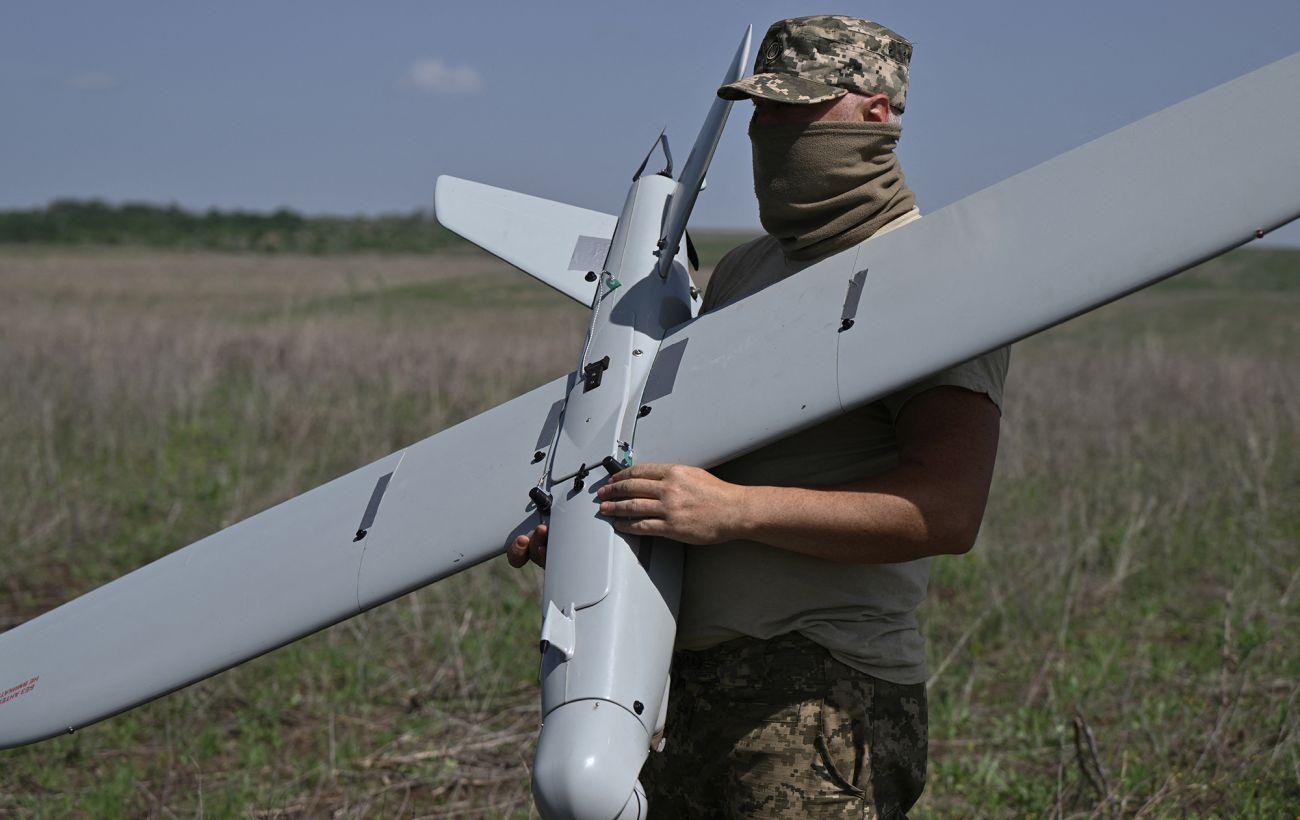
The P-280 route, essential for Russian logistics, has become increasingly perilous due to persistent Ukrainian drone strikes. Traffic along this corridor has significantly diminished, impacting military supply chains.
This route, referred to by occupying forces as “Novorossiya,” connects Rostov-on-Don in Russia to the occupied cities of Melitopol, Mariupol, and Crimea. It serves as a primary land supply line for the Russian military, circumventing the vulnerable Kerch Bridge.
In recent months, Ukrainian forces have effectively obstructed this route, utilizing drones that operate continuously to target enemy convoys. Since late May, civilian traffic has nearly ceased, with numerous destroyed Russian trucks and fuel tankers lining the roadside.
According to Robert Brody, commander of the Drone Forces, military transport volumes along this route have decreased by 71% in the past two weeks. This assessment has been corroborated by the U.S.-based Institute for the Study of War (ISW), which noted that Ukrainian tactics are severely restricting Russia’s ability to supply its forces in the south.
The blockade of enemy logistics is part of a broader strategy termed “medium strikes,” targeting areas between 20 to 200 kilometers from the front lines. Ukrainian units are employing advanced technologies, including:
- Hornet drones—American unmanned aerial vehicles (UAVs) equipped with artificial intelligence, capable of detecting enemy equipment autonomously within a range of 150 kilometers;
- Morrigan drones—new domestic UAVs that can be launched from a catapult without the need for a runway;
- Remote mining techniques—dropping mines from the air that activate upon detecting vehicle movement.
As a result of these operations, a fuel shortage has already been reported in occupied Crimea. Additionally, this week, drone attacks forced Russian forces to suspend traffic across the critical Chongar Bridge.
Reports indicate that Ukraine’s strategic objective is to establish a comprehensive “logistical blockade” against the Russian military. Earlier, Defense Minister Mykhailo Fedorov stated that the aim is to fully disrupt Russian supply lines. Furthermore, President Volodymyr Zelensky noted in May that the frequency of long-range strikes by Ukrainian forces on enemy logistics and infrastructure has quadrupled since the beginning of the year.
Ukrainian drone operations have significantly disrupted a crucial supply route for Russian forces along the Azov coast, leading to a dramatic reduction in military transport. This strategy aims to establish a comprehensive blockade of Russian logistics, impacting fuel supplies and military mobility.