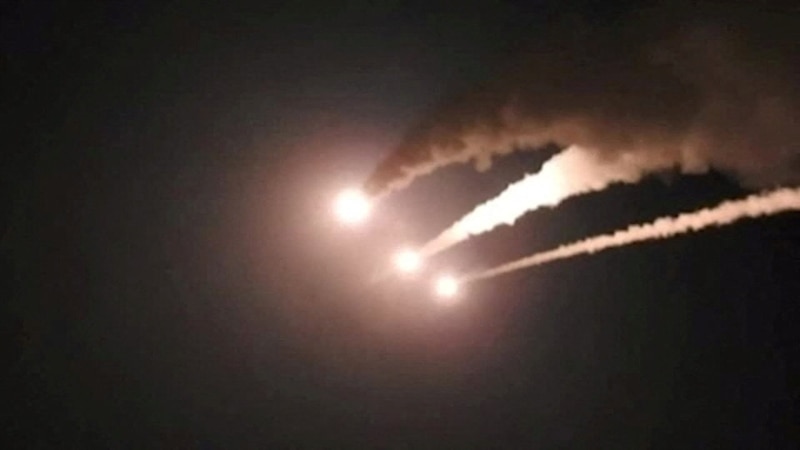
U.S. forces conducted airstrikes in Iran on the night of June 10-11, marking the second consecutive night of military action. This escalation follows a warning from President Donald Trump, who indicated that Iran would face a “very strong” response if a ceasefire agreement was not reached.
The U.S. Central Command confirmed that these strikes were carried out under the direction of the Commander-in-Chief, characterizing them as defensive measures against ongoing Iranian aggression. “These strikes are a response to Iran’s unwarranted actions,” the military stated.
Reports from various Iranian news agencies described loud explosions across multiple cities in Iran. Prior to the renewed U.S. strikes, Iranian President Masoud Pezeshkian declared that the nation would resist any external pressure, labeling Trump’s threats as a sign of Washington’s desperation.
Earlier on June 10, American airstrikes targeted several sites in Iran in retaliation for the downing of a U.S. Army Apache helicopter in the Strait of Hormuz. In response, Iran launched attacks on U.S. bases in the region, but there have been no reports of casualties among American personnel.
On the same day, the Board of Governors of the International Atomic Energy Agency (IAEA) approved a U.S.-backed resolution demanding that Iran confirm its enriched uranium stockpiles and allow inspectors to enter the country. Iranian Ambassador to Austria Reza Najafi described the resolution as “counterproductive” and a hindrance to negotiations with Washington.
During a recent Security Council meeting addressing the Middle East, UN Secretary-General António Guterres suggested that an imperfect ceasefire is preferable to a return to full-scale war. Negotiations between Tehran and Washington have been ongoing since April 8, when a ceasefire halted the U.S.-Israeli bombing campaign against Iran.
The U.S. has intensified military actions against Iran, conducting airstrikes in response to Iranian aggression and the downing of a U.S. helicopter. Diplomatic tensions continue as both nations engage in negotiations amidst a backdrop of military threats and international scrutiny.