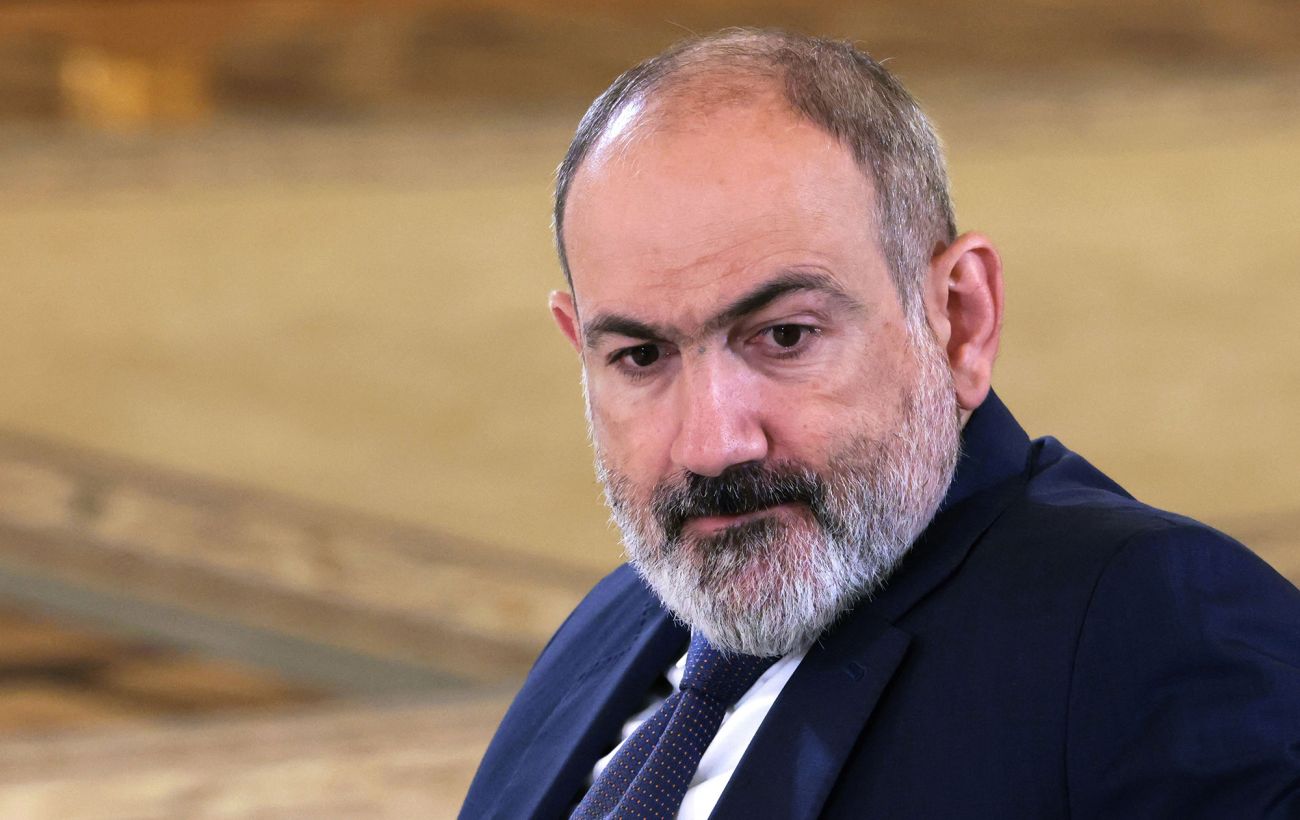
The political landscape in Armenia is shifting as Prime Minister Nikol Pashinyan’s party appears set to secure a significant majority in the upcoming parliamentary elections scheduled for June 7. Recent polling indicates that Pashinyan’s Civil Contract party could garner nearly 65% of the votes among decided voters, highlighting a substantial lead over opposition parties.
A survey conducted by Breavis among 1,551 respondents reveals that no other political party is expected to exceed 12% support. Should these predictions hold true during the elections, Pashinyan is likely to maintain control over the parliament, providing him with a renewed mandate to pursue closer ties with the West.
This electoral outcome could also strengthen the government’s position in implementing a peace agreement with Azerbaijan regarding Nagorno-Karabakh, a deal brokered last year with U.S. mediation. The survey results indicate a growing public endorsement for Armenia’s pro-European trajectory, reflecting a significant shift from decades of close cooperation with Russia.
In the backdrop of these developments, Russia’s response to Armenia’s foreign policy direction has intensified. In recent weeks, Moscow has imposed new trade restrictions on Armenian goods and issued warnings regarding Yerevan’s plans to deepen its integration with the European Union.
Additionally, Russia recalled its ambassador to Armenia, Sergey Kopyrkin, for consultations, citing the Armenian government’s moves toward closer ties with the EU. Leaders of the Eurasian Economic Union have also cautioned Yerevan about the potential risks associated with its pursuit of EU membership.
During a recent summit of the Eurasian Economic Union in Astana, Russian President Vladimir Putin drew parallels between Armenia and Ukraine, suggesting that the so-called “Ukrainian crisis” began following Kyiv’s attempts to align with the European Union. This rhetoric underscores Russia’s concerns over Armenia’s shifting alliances.
The situation has further escalated following a statement from U.S. President Donald Trump, who expressed “full and unconditional support” for Pashinyan, referring to him as a “wonderful friend and leader.” This endorsement may further complicate Armenia’s relationship with Moscow.
Armenia's upcoming elections may solidify Prime Minister Pashinyan's control, reflecting a shift towards pro-European policies amid increasing Russian pressure. As Yerevan seeks closer ties with the EU, Moscow's response has included trade restrictions and diplomatic maneuvers, raising concerns about regional stability.